
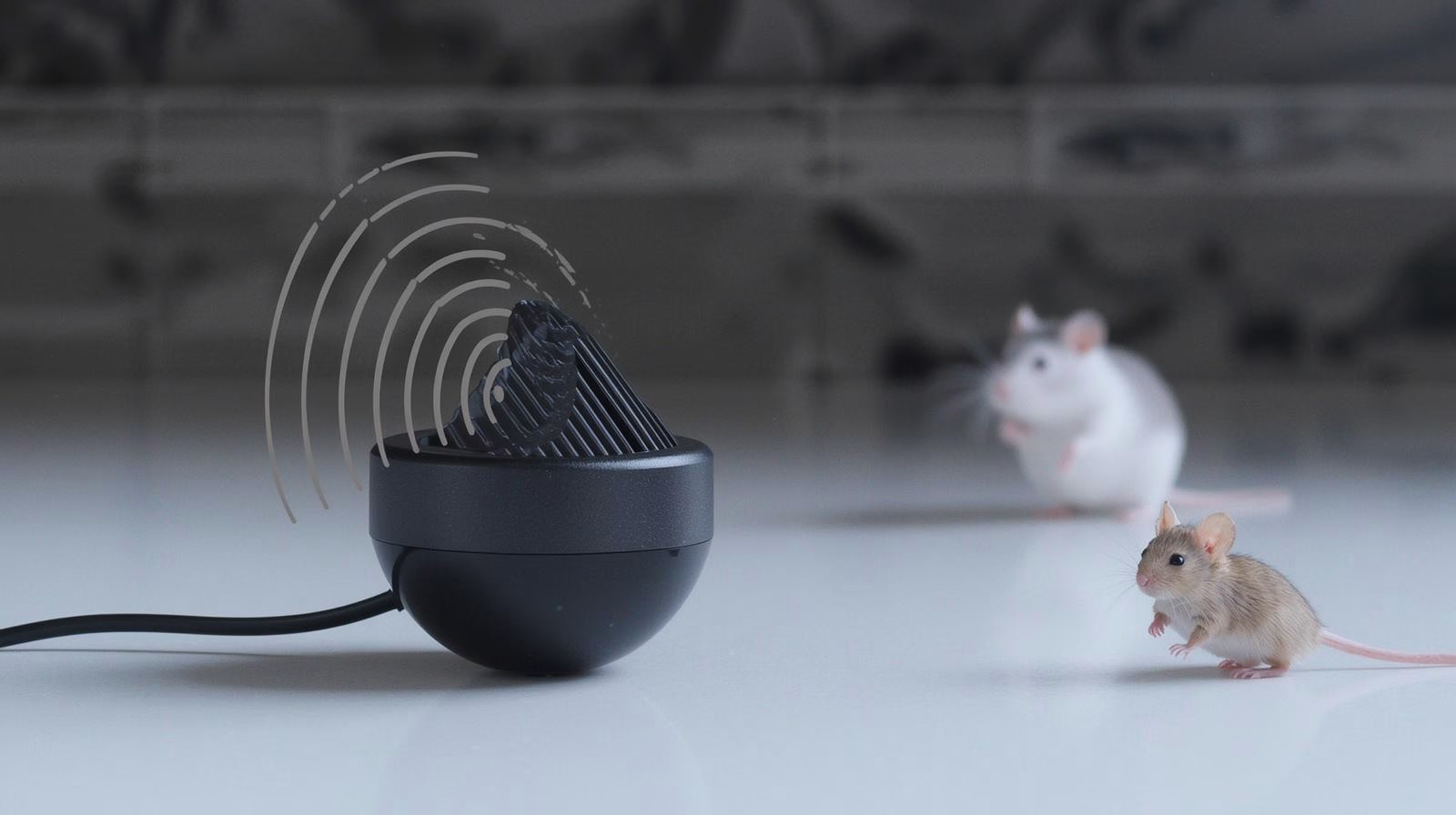
Rodents such as mice and rats are common household pests that can damage property and spread diseases. Because of these risks, many homeowners look for safe and simple ways to keep rodents away. Ultrasonic rodent repellers have become a popular option because they promise pest control without traps, poison, or chemicals. These devices are small electronic units that plug into a wall outlet and claim to drive rodents away using sound waves. While they are widely available and easy to use, many people still wonder whether ultrasonic rodent repellers truly work or if their effectiveness is limited.
What Are Ultrasonic Rodent Repellers?
Ultrasonic rodent repellers are electronic devices designed to deter rodents by producing high-frequency sound waves. These sound waves operate at frequencies that are usually too high for humans to hear but can be detected by rodents. The idea behind these devices is that the constant ultrasonic noise irritates rodents and makes the environment uncomfortable for them. As a result, rodents may avoid areas where the device is active. Because they do not rely on chemicals or traps, ultrasonic repellers are often marketed as a safer and more humane pest control method.
How Ultrasonic Rodent Repellers Work
1. High-Frequency Sound Waves
Ultrasonic rodent repellers emit sound waves at very high frequencies, usually above the range of human hearing. Rodents have more sensitive hearing than humans, allowing them to detect these sounds easily. The high-pitched noise is believed to irritate or disturb rodents, encouraging them to leave the area. Continuous exposure to these frequencies can make the environment uncomfortable for them and may reduce their activity in the treated space. As a result, rodents may gradually avoid rooms where these devices operate consistently. This makes ultrasonic devices useful for discouraging rodents from frequently used indoor spaces.
2. Disrupting Rodent Communication
Rodents communicate with each other through sound signals and subtle noises. Ultrasonic devices may interfere with these communication signals by creating constant background noise. When communication becomes difficult, rodents may struggle to coordinate movement or locate other members of their group. This disruption can increase stress among rodents and may encourage them to move away from the area. Over time, this disturbance can reduce their ability to organise feeding or nesting activities effectively. Disrupted communication may also weaken group behaviour within rodent populations.
You may also like: Do Rodent Repellents Work?
3. Creating an Uncomfortable Environment
The primary goal of ultrasonic repellers is to make an area unpleasant for rodents. The constant emission of high-frequency sound can disturb their normal behaviour and reduce their sense of comfort. Rodents prefer quiet and secure environments where they can move and search for food without disturbance. When ultrasonic noise is present, they may look for alternative spaces that feel safer and more stable. This change in environment can gradually discourage them from settling or nesting nearby. As a result, rodents may search for quieter areas outside the treated space.
4. Continuous Sound Emission
Once plugged into an electrical outlet, ultrasonic rodent repellers operate continuously without needing manual control. This constant sound emission is designed to maintain pressure on rodents so they do not feel comfortable returning to the same location. Continuous operation is important because rodents are active at different times of the day and night, and constant noise ensures that the device remains active during their active periods. This ongoing disturbance helps maintain a consistent deterrent effect. Consistent sound exposure increases the chances of discouraging rodents from remaining nearby.
5. Non-Chemical Pest Control
One of the main advantages of ultrasonic repellers is that they do not rely on chemicals, poisons, or traps. This makes them appealing to homeowners who prefer natural or non-toxic pest control methods. Without chemical residues, the devices are generally safer for indoor environments and do not contaminate surfaces or food areas. This feature also makes them a convenient option for households with children or pets. As a result, many people view ultrasonic devices as a cleaner pest control option. Their chemical-free design also reduces environmental impact compared to traditional pest control products.
Helpful for you: How to Use Vinegar as Mice Repellent
6. Targeting Rodent Hearing Sensitivity
Rodents have highly sensitive hearing that helps them detect predators and communicate with other rodents. Ultrasonic repellers take advantage of this sensitivity by producing frequencies that rodents can easily detect. These frequencies may cause irritation or stress, especially when the sound continues for long periods. Because of their sensitive hearing, rodents may become uncomfortable and seek quieter areas away from the device. This reaction can help reduce their presence in frequently used indoor spaces. Over time, this discomfort may discourage them from returning to the same location.
7. Affecting Rodent Behavior
Ultrasonic sound can influence the behaviour of rodents by disturbing their natural routines. When exposed to irritating noise, rodents may reduce feeding activity, avoid certain pathways, or relocate their nesting areas. This behavioural disruption can make the environment less attractive to them. Over time, the discomfort may encourage them to move to different locations where the sound is not present. This shift in behaviour can reduce rodent activity around treated areas. Reduced activity may also limit their access to food and shelter indoors.
8. Plug-and-Play Operation
Ultrasonic rodent repellers are designed to be simple and convenient to use. Most models only require plugging the device into a wall socket to begin working. There is no need for complicated installation or maintenance. This ease of use makes them appealing to homeowners who want a quick and effortless pest control solution without handling traps or chemicals. Many devices also include indicator lights to show that they are operating properly. This simple setup allows homeowners to use the device immediately after purchase.
Must Read: Myths vs Facts About Peppermint Oil and Mouse Repellents
9. Coverage Area
Each ultrasonic device is designed to cover a specific area, usually one room or a limited indoor space. The sound waves spread across the open area but may be blocked by walls, furniture, or large objects. Because of this limitation, multiple devices may be required to cover larger homes or complex spaces. Proper placement is important to ensure the sound reaches the areas where rodents are active. Correct positioning can improve the overall effectiveness of the device. Strategic placement near entry points may help discourage rodents from entering rooms.
10. Silent to Humans and Pets
Ultrasonic frequencies are generally beyond the hearing range of humans, which means people usually cannot hear the sound produced by these devices. This allows them to operate without disturbing daily activities. Most common household pets such as dogs and cats are also not affected by these frequencies. However, small pets like hamsters or guinea pigs may hear the sound and could experience discomfort. Therefore, careful placement is recommended in homes with small animals. Keeping the device away from cages can help protect sensitive pets.
You May Also Like: Best Ways to Use Peppermint Oil for Mice
Types of Rodents These Devices Target
Ultrasonic rodent repellers are typically designed to deter several small rodents, including:
- Mice
- Rats
- Squirrels
- Chipmunks
- Other small household rodents
Do Ultrasonic Rodent Repellers Actually Work?
The effectiveness of ultrasonic rodent repellers is often debated. Some users report that these devices reduce rodent activity, especially in small areas or early infestations. However, scientific studies and pest control experts often find mixed results. In many cases, rodents may initially react to the sound but eventually adapt to it over time. Because of this, ultrasonic devices should not be relied on as the only solution for serious infestations.
Advantages of Ultrasonic Rodent Repellers
- Chemical-free pest control method
- Easy to install and operate
- Low maintenance compared to traps
- Generally safe for households
- Silent operation for humans
Limitations of Ultrasonic Repellers
Despite their benefits, ultrasonic repellers have several limitations. The sound waves cannot pass through walls or solid furniture, which limits their coverage. Rodents may also become accustomed to the sound and continue living in the same area. In addition, these devices do not remove existing nests or eliminate rodents already hiding in walls or ceilings. Because of these limitations, they are usually more effective as a preventive measure rather than a complete pest control solution.
When to Call a Professional?
If rodent activity continues despite using ultrasonic repellers, it may be necessary to seek help from a rodent removal and control professional. Severe infestations of mice or rats often require specialised tools and treatment methods that electronic devices cannot provide. Professional pest control experts can identify nesting areas, seal entry points, and remove rodents safely. Early professional intervention can also prevent property damage and reduce health risks associated with rodent infestations.
Conclusion
Ultrasonic rodent repellers are a convenient and chemical-free option for discouraging rodents in homes. They work by emitting high-frequency sound waves that may irritate rodents and encourage them to leave the area. However, their effectiveness can vary depending on the situation, and they may not completely eliminate established infestations. For best results, these devices should be used alongside good sanitation, sealed entry points, and other pest control methods. When used as part of a broader pest management strategy, ultrasonic repellers can help reduce rodent activity and support a cleaner, safer living environment.
FAQs
Are ultrasonic rodent repellers safe for pets?
Most are safe for humans and common pets, but small animals like hamsters may hear the sound.
How long does it take for ultrasonic repellers to work?
Some results may appear within a few days, but effectiveness varies depending on infestation size.
Can rodents become used to ultrasonic sounds?
Yes, some rodents may adapt to the sound over time.
Do ultrasonic repellers work through walls?
No, ultrasonic waves cannot pass through walls or solid objects.
Can ultrasonic repellers replace traditional pest control?
No, they work best when combined with other pest control methods.