
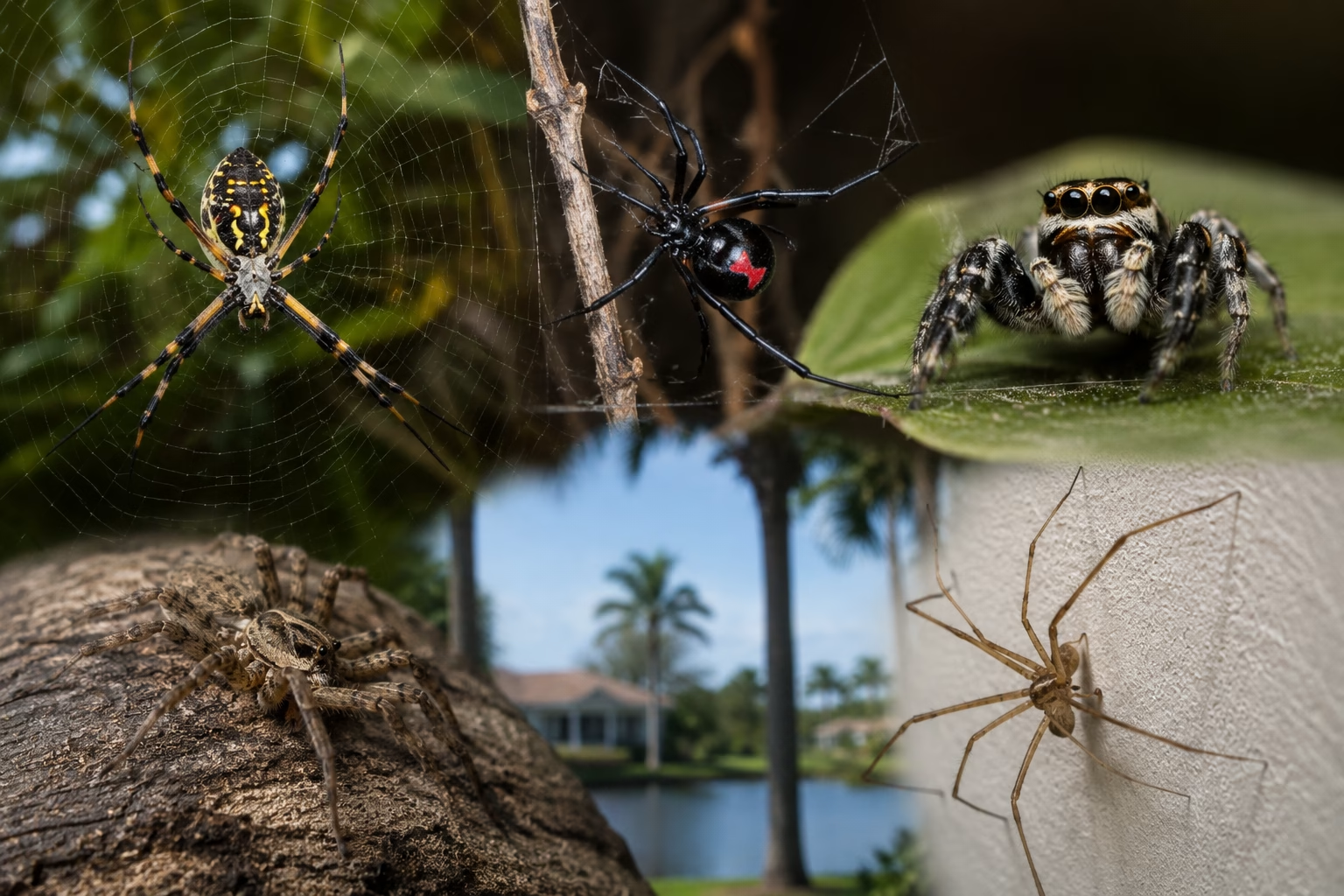
Florida’s warm climate and humid woodlands make it home to dozens of spider species, from tiny cellar spiders in bathroom corners to large orb weavers stretching webs across garden paths. Some hide in garages, closets, and woodpiles. Others hunt along riverbanks, in leaf litter, or inside cracks in stucco walls.
This guide covers the 12 most common spiders found across Florida, how to identify each one by its markings and web style, where it lives, and whether it poses any real danger to people or pets.
Types of Florida Spider Species
Florida hosts a wide mix of web builders and ground hunters, from the venomous black widow to the harmless daddy longlegs. The state’s warm, humid climate supports year-round spider activity, unlike northern regions where cold winters force many species into dormancy. This means Florida residents encounter spiders indoors and outdoors in every season, not just during summer months.
Knowing the difference between a dangerous species and a harmless look-alike can prevent unnecessary fear and unnecessary pesticide use. Many spiders found around homes, such as cellar spiders and common house spiders, pose no real threat and even help control populations of flies, mosquitoes, and other pests. Others, like the black widow and brown widow, carry venom that warrants genuine caution and, in some cases, medical attention.
Below is a breakdown of each species, its markings, its preferred habitat, and the behavior that sets it apart. Each profile covers how to spot the spider on sight, where it tends to build its home across Florida, and whether an encounter calls for concern or simple observation. Use this section as a quick reference before deciding how to respond to any spider found in or around your home.
1. Black Widow Spider Identification
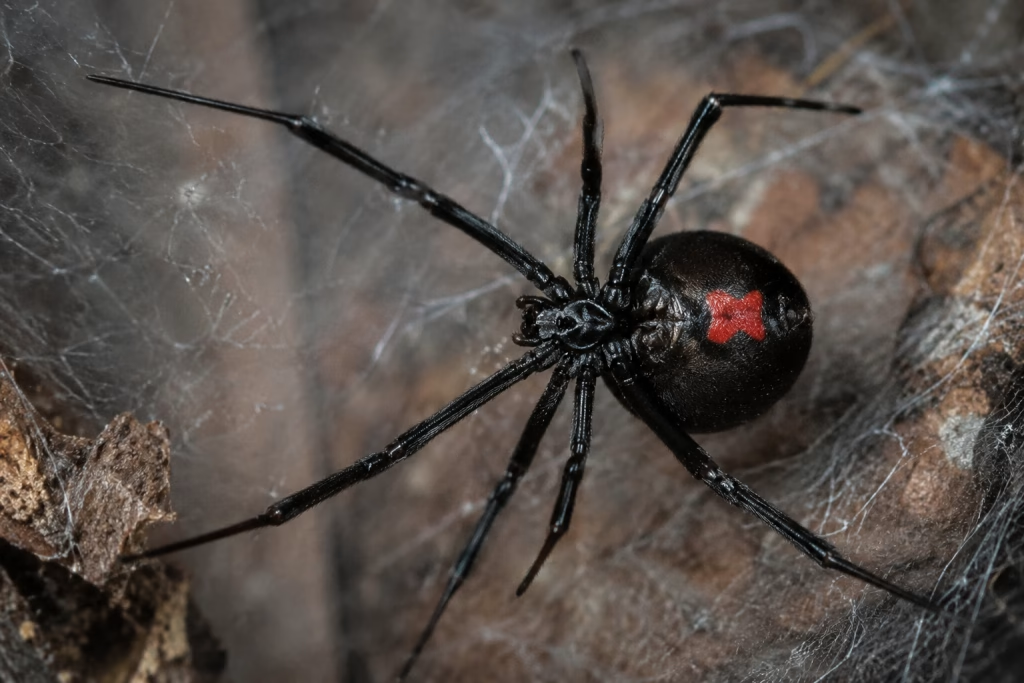
The southern black widow (Latrodectus mactans) is one of Florida’s most recognized venomous spiders. Adult females are shiny black with a round, glossy abdomen and a red or orange hourglass shape on the underside. Males are smaller, lighter in color, and rarely bite. Juveniles look different from adults, often tan or brown with white markings that darken as they mature.
How to Identify Black Widow Spiders
Look for a round, glossy black abdomen, long thin legs, and the signature red hourglass marking on the belly. The body is small, usually under half an inch, but the legs make it appear larger. Webs are irregular, sticky, and built close to the ground.
Where Black Widows Live in Florida
Found statewide, especially in rural and suburban areas near structures. They are common in both coastal and inland counties.
Black Widow Habitat
Woodpiles, garages, sheds, meter boxes, crawl spaces, and under outdoor furniture. They prefer dark, undisturbed corners close to the ground.
Black Widow Behavior, Threats or Dangers
Bites are rare and typically defensive, occurring only when the spider is pressed against skin. Venom is neurotoxic and can cause muscle pain, cramping, and nausea. Medical care is recommended, but fatalities are extremely uncommon today with prompt treatment.
2. Brown Recluse Spider Identification
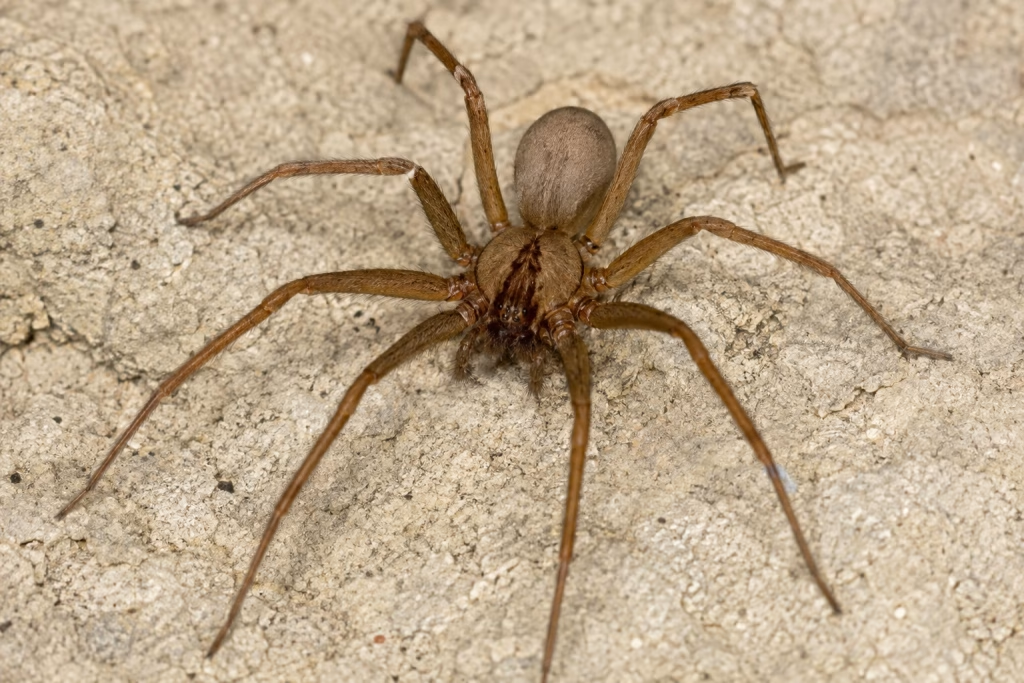
The brown recluse (Loxosceles reclusa) is not established in Florida’s natural spider population, but occasional hitchhikers arrive in moving boxes, furniture, or storage containers shipped from other states, mainly the Midwest and south-central US. Confirmed sightings in Florida remain uncommon and are usually isolated cases rather than breeding populations.
How to Identify Brown Recluse Spiders
A violin-shaped marking sits on the back of the head, pointing toward the abdomen, and it has six eyes arranged in pairs instead of the usual eight. The body is uniformly tan to dark brown, with no stripes or patterns on the legs, and measures about the size of a quarter including leg span.
Where Brown Recluse Spiders Live in Florida
Sightings are rare and usually tied to imported items rather than local populations. Most reported cases trace back to recently moved boxes, used furniture, or items shipped from other states.
Brown Recluse Habitat
Dark undisturbed spaces such as closets, attics, garages, and stored boxes. They avoid light and prefer areas with little human activity.
Brown Recluse Behavior, Threats or Dangers
Bites can cause a slow-healing necrotic wound that may take weeks to heal. The spider is not aggressive and bites only when trapped against skin, such as inside clothing or shoes.
3. Brown Widow Spider Identification
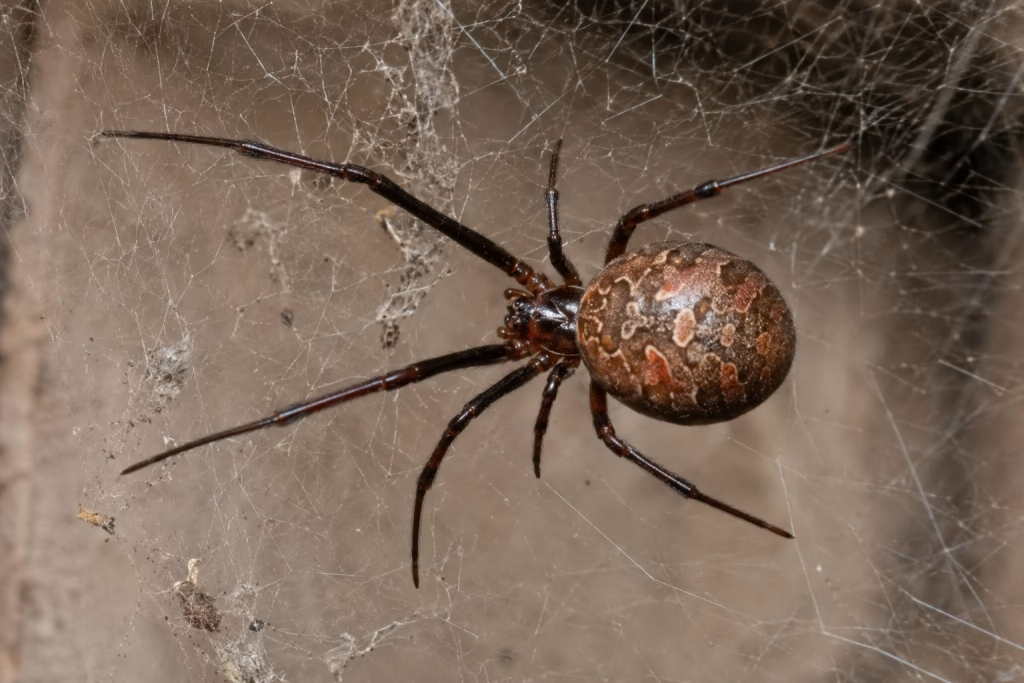
The brown widow (Latrodectus geometricus) is an invasive species now common across South and Central Florida, having spread rapidly since first being recorded in the state. It closely resembles the black widow but with a mottled tan and brown pattern instead of solid black. Some populations show darker shading, which can cause confusion with juvenile black widows.
How to Identify Brown Widow Spiders
A geometric zigzag pattern covers the back, giving the species its name, and an orange or yellow hourglass marks the underside of the abdomen. The egg sacs are also distinctive, covered in small spiky bumps unlike the smooth round sacs of other widow species.
Where Brown Widows Live in Florida
Widely found in urban and suburban neighborhoods statewide, particularly in areas with heavy human development along the coast.
Brown Widow Habitat
Mailboxes, eaves, playground equipment, fences, and outdoor storage bins. They favor tight, sheltered spots close to buildings and human activity.
Brown Widow Behavior, Threats or Dangers
Venom is less potent than the black widow’s, though bites still warrant medical attention, especially in children or sensitive individuals. Spiderlings are more commonly encountered due to larger egg clusters, which can hold hundreds of young at once.
4. Cellar Spider Identification
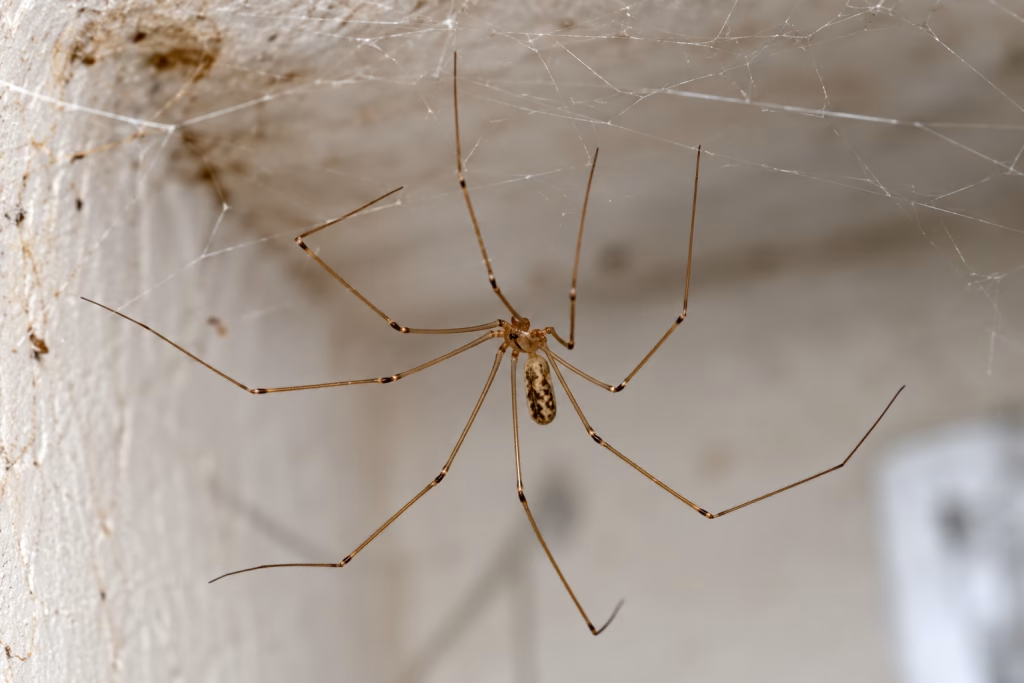
Cellar spiders (family Pholcidae) are often mistaken for daddy long legs due to their similar appearance. They have long delicate legs and a small pale body, and are sometimes called “skull spiders” because of the shape formed on their cephalothorax when viewed up close.
How to Identify Cellar Spiders
A tiny elongated body with eight thin, almost hair-like legs that can span several inches despite the small frame. The color ranges from pale yellow to light gray, and the body is often translucent enough to see internal structures.
Where Cellar Spiders Live in Florida
Common indoors throughout the state, year-round, due to Florida’s mild winters, which allow populations to remain active without seasonal die-off.
Cellar Spider Habitat
Damp basements, garages, bathroom corners, crawl spaces, and undisturbed ceiling corners. They build loose, irregular webs and tend to stay in one location for extended periods.
Cellar Spider Behavior, Threats or Dangers
Completely harmless to humans and lacking venom strong enough to affect people. When threatened, they vibrate rapidly in their web, spinning in circles to appear larger and blurred to predators, which helps them avoid being caught.
5. Common House Spider Identification
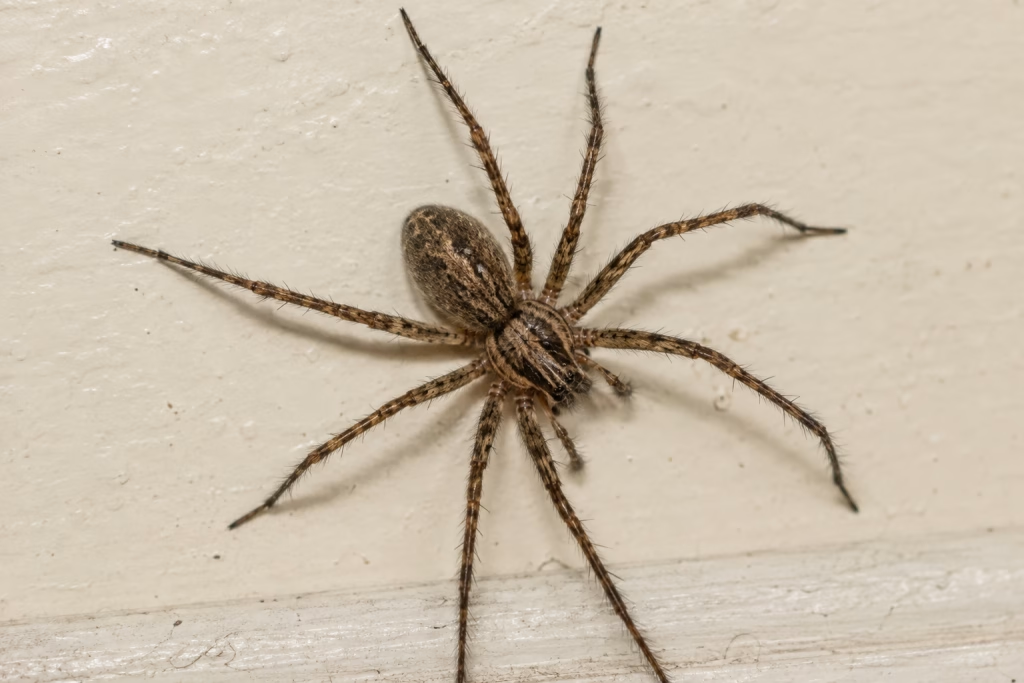
The common house spider (Parasteatoda tepidariorum) builds the messy, irregular cobwebs seen in home corners and window frames. It is one of the most widespread spider species in North America and thrives well in Florida’s warm indoor and outdoor spaces alike.
How to Identify Common House Spiders
A round brown or tan abdomen with mottled patterning and thin, slightly banded legs. The body is small, typically under a quarter inch, and females are noticeably larger than males with a more bulbous abdomen shape.
Where Common House Spiders Live in Florida
Found in nearly every home and building across the state, from urban apartments to rural farmhouses.
Common House Spider Habitat
Ceiling corners, closets, garages, window frames, and undisturbed shelving. They favor quiet spaces where webs can remain intact for weeks without disturbance.
Common House Spider Behavior, Threats or Dangers
Bites are rare and cause only mild irritation similar to a mosquito bite. These spiders help control indoor insect populations by trapping flies, ants, and mosquitoes in their webs, making them more beneficial than harmful to have around the home.
6. Crevice Spider Identification
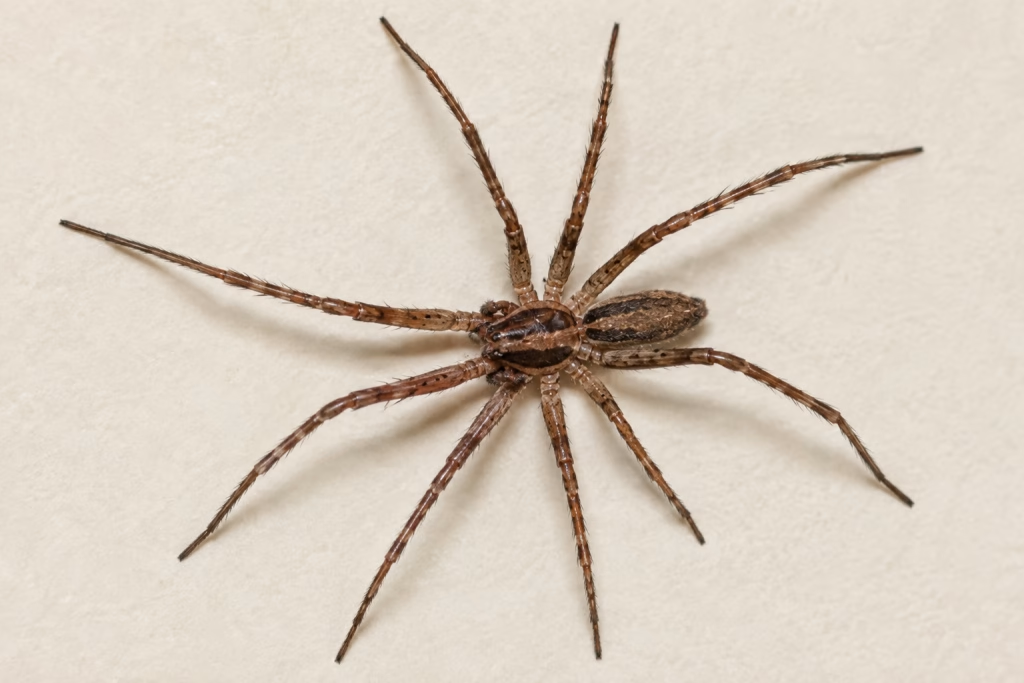
The southern house spider, also called the crevice spider (Kukulcania hibernalis), builds funnel-shaped webs in narrow gaps and cracks. Females can live for several years in the same location, making their webs a long-term fixture on exterior walls.
How to Identify Crevice Spiders
Dark velvety brown to black body with a flattened shape suited for tight spaces. Females are larger and darker, while males are smaller, lighter in color, and often mistaken for a different species entirely due to the size difference.
Where Crevice Spiders Live in Florida
Common on exterior walls and under eaves statewide, particularly on older stucco and block homes with natural surface cracks.
Crevice Spider Habitat
Cracks in stucco, tree bark, gaps around windows or siding, and spaces behind shutters. The funnel-shaped web extends outward from the crack to trap passing insects.
Crevice Spider Behavior, Threats or Dangers
Mildly venomous but not aggressive toward humans. Bites are uncommon and cause only minor local reactions such as redness or slight swelling, and the spider typically retreats into its crevice rather than confront a threat.
7. Daddy Long Legs Spider Identification
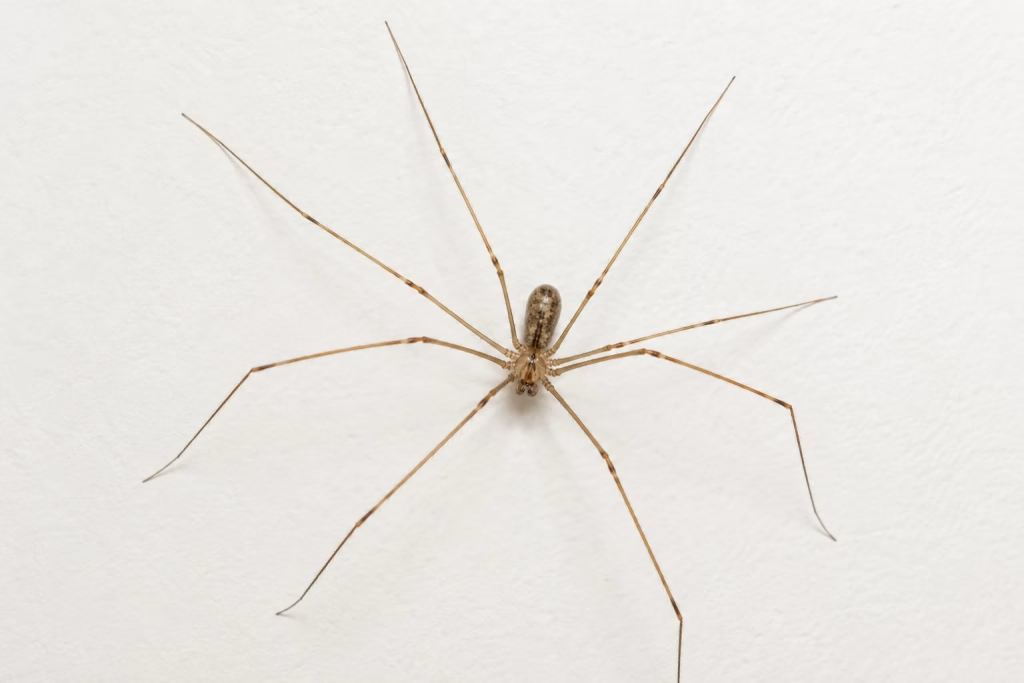
True daddy long legs (order Opiliones, also called harvestmen) are often confused with cellar spiders, but they are not true spiders at all. They belong to a separate arachnid order and lack several features that define true spiders, including venom glands and silk-producing spinne