
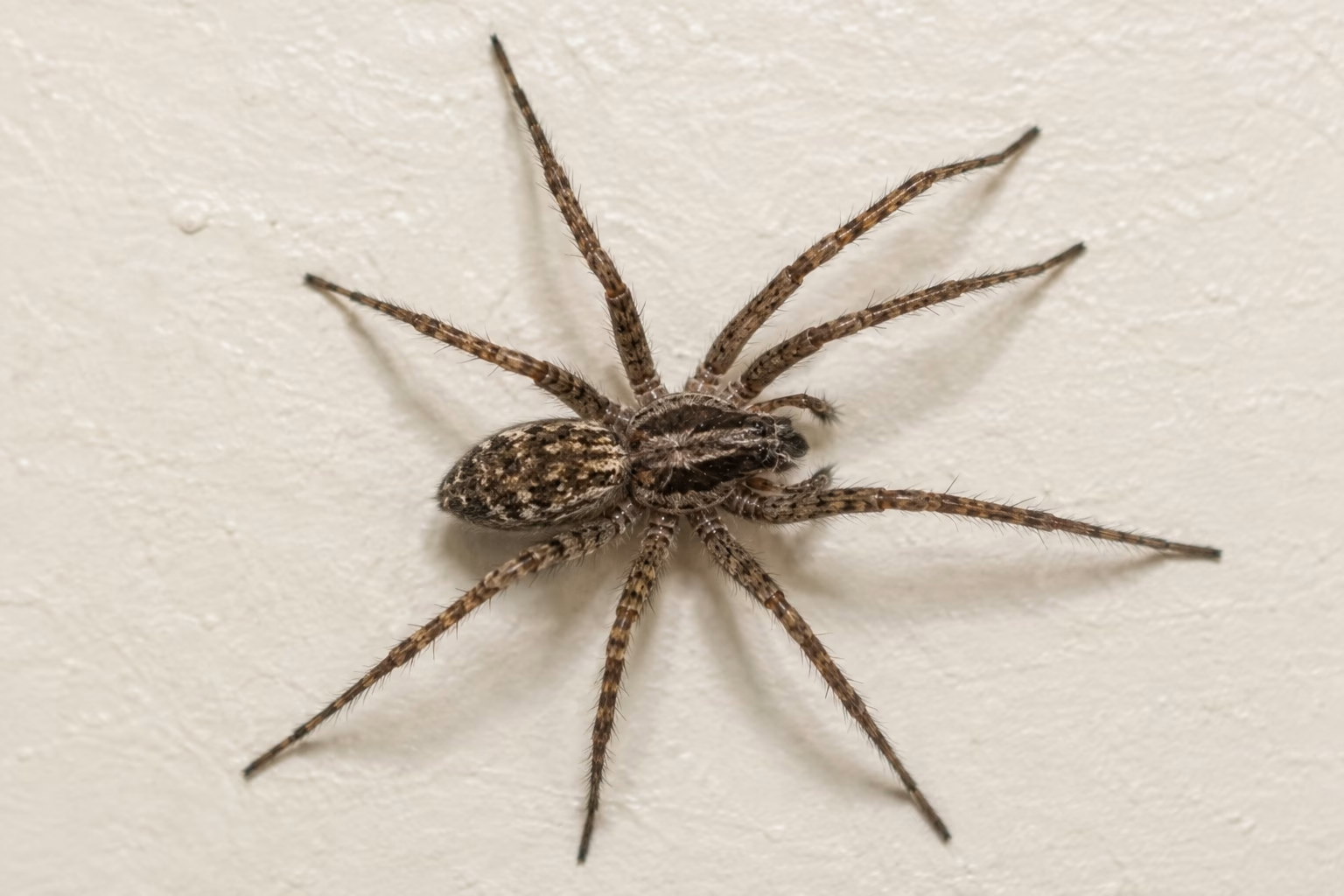
The nursery web spider (Pisaura mirabilis) is one of the most recognizable ground-hunting spiders found in gardens, meadows, and woodlands across Europe, Asia, and parts of North America, including areas of Florida where its naturalized populations have been reported. Unlike orb-weaver spiders, it does not spin a web to trap prey. Instead it chases insects across open ground, much like a wolf spider.
This guide covers identification, habitat, diet, reproduction, and nursery tent behavior. You will also learn how it compares to the wolf spider and whether this species poses any real danger to humans or pets in a Florida yard or garden.
What Is a Nursery Web Spider
The nursery web spider belongs to the family Pisauridae, a group of active hunting spiders found across much of the world. It gets its name from the silk “nursery” tent the female builds to protect her spiderlings before they hatch. This maternal behavior is rare among spiders and makes the species stand out from most other ground dwellers.
Unlike orb-weaver spiders, the nursery web spider does not build a web to catch prey. Instead it hunts by chasing insects across the ground, much like a wolf spider. It relies on strong eyesight and quick movement rather than sticky silk traps to catch food.
This species is native to Europe and parts of Asia. It has also spread to North America, where it is now considered naturalized in several regions, and Florida’s warm, humid climate and abundant ground cover offer suitable conditions for it to thrive where established. Gardeners often spot it resting on leaves, fence posts, or low shrubs during warm months, and in Florida this activity can extend well beyond a typical early summer window given the state’s long growing season.
Because of its hunting style and parental care behavior, the nursery web spider is a common subject in arachnid research. It also serves as a helpful natural predator for common garden pests, a role that is especially valuable in Florida given the state’s high insect activity.
Nursery Web Spider Identification: Size, Color and Markings
Correct identification starts with body shape, leg length, and color pattern. Female nursery web spiders are larger than males and can carry an egg sac in their fangs.
Key identification features:
- Body length ranges from 10mm to 15mm for females and 9mm to 13mm for males
- Long slender legs that span up to 30mm across
- Brown or grayish-brown body with a pale stripe running down the center
- Two rows of eyes arranged in a distinctive pattern typical of Pisauridae
- No web pattern on the body; coloring blends with bark and dry vegetation, similar to the mulch and foliage common in Florida landscaping
| Feature | Nursery Web Spider |
| Scientific name | Pisaura mirabilis |
| Family | Pisauridae |
| Average leg span | 25mm to 30mm |
| Color | Brown to gray with pale central stripe |
| Habitat | Grass, gardens, woodland edges |
| Web type | No prey-catching web; builds nursery tent only |
| Venom risk to humans | Low, not medically significant |
Once you spot the pale central stripe and long slim legs, identification becomes quick and reliable even from a short distance.
Habitat and Where Nursery Web Spiders Live
Nursery web spiders prefer low vegetation, tall grass, and shrubs near sunlight. They thrive in gardens, meadows, and woodland margins where humidity stays moderate, conditions that overlap closely with Florida’s climate in shaded or partially shaded yards. You will rarely find them indoors since they depend on outdoor prey and open ground for hunting.
Common habitat zones include:
- Garden borders with dense ground cover
- Meadows and grassy fields
- Woodland edges with dappled sunlight
- Hedgerows and shrub lines near water sources, including the ditches and retention ponds common in many Florida neighborhoods
This species favors areas with a mix of sun and shade. Females often position their nursery web tents in shrubs about knee to waist height, high enough to avoid ground predators but close enough to sunlight for egg development, a setup easily found in typical Florida garden beds and hedges.
Nursery Web Spider Behavior and Life Cycle
Behavior in this species is tied closely to hunting style and maternal care. Nursery web spiders are active hunters rather than passive web builders. They stalk prey during the day and rely on speed and eyesight rather than sticky silk traps.
The life cycle unfolds in four general stages:
1. Mating
Males present a silk-wrapped gift of prey to females before mating. This gift-giving behavior lowers the risk of aggression and improves mating success.
2. Egg Carrying
Females carry the egg sac in their chelicerae for several weeks. They continue hunting normally during this period despite the added weight.
3. Nursery Tent Building
Just before hatching, the female spins a silk tent around vegetation and places the egg sac inside. This tent shields the eggs from predators and weather.
4. Maternal Guarding
The female stands guard near the tent until spiderlings disperse. She remains close by even after hatching to protect the young from threats.
This guarding behavior is unusual among spiders and is a key reason researchers study this species for insight into arachnid parental care.
Nursery Web Spider Diet: What Do They Eat
The diet consists mainly of small invertebrates found on the ground or low vegetation. As active hunters, these spiders do not wait passively. They chase and ambush prey directly using speed and sharp eyesight rather than sticky silk traps. This hunting style makes them efficient predators in gardens and grassy habitats where prey moves quickly across open ground, including Florida yards where insect numbers tend to stay high for much of the year.
Typical prey items include:
- Flies and small moths
- Crickets and grasshopper nymphs
- Beetles and other ground-dwelling insects
- Occasionally smaller spiders and other tiny arthropods
Young spiderlings feed on much smaller insects such as aphids and gnats before graduating to larger prey as they grow. Adult females need more food during egg development since carrying an egg sac increases their energy demands significantly.
Males also use prey as a courtship gift. This “nuptial gift” behavior increases mating success and is well documented in Pisaura mirabilis studies. A male wraps a captured insect in silk before presenting it to a female. Females that accept a well-wrapped gift are more likely to allow mating without aggression, making this feeding behavior directly tied to reproductive success in the species.
Nursery Web Spider Web: Nest and Silk Structure
The term “web” here is somewhat misleading since this spider does not spin a web to trap prey. The silk structure it builds, called the nursery web or nursery tent, serves a completely different purpose.
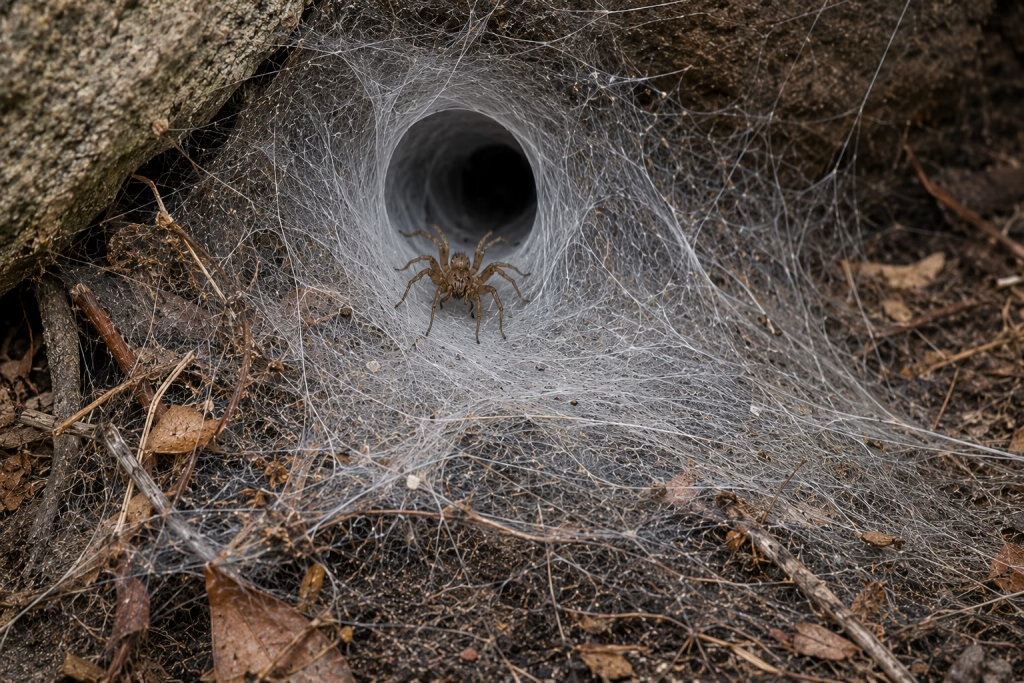
Nursery tent characteristics:
- Built only by females shortly before eggs hatch
- Constructed by pulling leaves and stems together with silk threads
- Provides shelter and camouflage for the developing egg sac
- Torn open by spiderlings once they are ready to disperse
- Guarded by the mother from a nearby perch until the young leave
This maternal silk structure is the origin of the common name and sets Pisaura mirabilis apart from most other hunting spiders that show little to no parental investment.
Nursery Web Spider vs Wolf Spider: Key Differences
These two species are frequently confused because both hunt actively and lack orb webs, and both can be found in Florida yards and gardens. However, several traits set them apart.
| Trait | Nursery Web Spider | Wolf Spider |
| Egg carrying method | Carried in chelicerae (fangs) | Carried on spinnerets (rear) |
| Maternal care | Builds guarded nursery tent | Carries spiderlings on her back |
| Body shape | Slimmer with longer legs | Stockier and more robust |
| Eye arrangement | Two rows, less reflective at night | Eight eyes with strong eyeshine |
| Courtship behavior | Nuptial gift-giving | No gift-giving observed |
| Typical habitat | Grass, shrubs, woodland edges | Ground litter, burrows, open soil |
The easiest field test is watching how the female carries her eggs. If the sac is held in the fangs, it is a nursery web spider. If it is attached to the spinnerets, it is a wolf spider.
Is the Nursery Web Spider Dangerous to Humans
Nursery web spiders are not considered medically dangerous. Their venom is designed for subduing small insects and has no significant effect on human tissue. Bites are rare and typically only occur if the spider is handled or trapped against skin. Most encounters end with the spider fleeing rather than biting since it prefers avoidance over confrontation.
Reported bite symptoms are mild and may include:
- Slight redness at the bite site
- Minor localized itching
- Mild swelling that resolves within a day
- Rare tenderness around the area for a few hours
Symptoms typically fade on their own within 24 to 48 hours without medical treatment. Washing the bite with soap and water and applying a cold compress is usually enough to ease discomfort. Anyone with a known spider bite allergy should still monitor symptoms closely and seek medical advice if swelling spreads.
No case reports link this species to serious medical complications. It is generally regarded as a beneficial garden species since it feeds on common plant pests like flies, moths, and beetles, making it more helpful than harmful around most homes and gardens, including in Florida where pest pressure tends to run high.
Nursery Web Spider Reproduction and Egg Sac Care
Reproduction in this species is closely tied to the courtship gift-giving behavior mentioned earlier. Males approach females holding a silk-wrapped insect as an offering before attempting to mate. If the female accepts the gift, mating proceeds with reduced risk of the male being attacked or rejected outright.
After mating, the female produces a large silk egg sac, often containing 100 to 200 eggs depending on her size and health. She carries this sac in her fangs for two to three weeks while continuing to hunt normally despite the extra weight and reduced mobility this causes.
As hatching nears, she builds the nursery tent described earlier by pulling leaves and stems together with silk. She places the egg sac safely inside this shelter and stands guard nearby until the spiderlings molt and disperse on their own days later.
This level of maternal investment is rare among spiders and makes Pisaura mirabilis a frequent subject in behavioral ecology research. Scientists often study this species to better understand parental care patterns and courtship strategies across the wider arachnid world.
How to Get Rid of Nursery Web Spiders Naturally
Most homeowners do not need to eliminate this species since it rarely enters buildings and helps control insect pests. If population near entryways becomes a concern, the following natural steps can help.
- Trim tall grass and dense shrubs near doors and windows
- Remove leaf litter and woodpiles close to the foundation
- Seal small gaps around windows and door frames
- Reduce outdoor lighting that attracts flying insects (their prey source), a step that matters even more in Florida where porch and lanai lights draw heavy insect activity
- Use a broom or soft brush to relocate spiders outdoors rather than using pesticides
Chemical treatment is rarely necessary for this species. Habitat modification is usually enough to reduce sightings near the home while preserving its pest-control benefits in the garden.
Final Thoughts
The nursery web spider is a harmless and ecologically valuable species found across gardens, meadows, and woodland edges, including parts of Florida where naturalized populations exist. Its most distinctive trait, the silk nursery tent built to protect eggs, sets it apart from nearly every other hunting spider. While it is often mistaken for a wolf spider, the differences in egg-carrying behavior and body shape make identification straightforward once you know what to look for.
With low venom risk and strong pest-control value, this spider is best left undisturbed in the garden, where it plays a natural role in keeping insect populations in check, a benefit that carries real weight in Florida’s insect-heavy climate.
FAQs
What Is A Nursery Web Spider?
It is a ground-hunting spider from the family Pisauridae known for building a silk nursery tent to guard its eggs before they hatch.
Is The Nursery Web Spider Poisonous?
No. Its venom is not medically significant to humans and bites rarely cause more than mild irritation.
How Do I Identify A Nursery Web Spider?
Look for a brown or gray body with a pale central stripe, long legs, and no prey-catching web. Females often carry an egg sac in their fangs.
What Is The Difference Between A Nursery Web Spider And A Wolf Spider?
Nursery web spiders carry eggs in their fangs and build a guarded nursery tent. Wolf spiders carry eggs on their spinnerets and spiderlings on their back.
Where Do Nursery Web Spiders Live?
They live in gardens, meadows, woodland edges, and shrubby areas with a mix of sun and shade, including parts of Florida where the species has become naturalized.
What Do Nursery Web Spiders Eat?
They eat flies, moths, crickets, beetles, and occasionally smaller spiders through active ground hunting.
Do Nursery Web Spiders Bite Humans?
Bites are rare and only occur when the spider feels trapped. Symptoms are mild and resolve quickly.
How Long Do Nursery Web Spiders Carry Their Eggs?
Females typically carry the egg sac for two to three weeks before building the nursery tent.
Are Nursery Web Spiders Good For The Garden?
Yes. They help control common garden pests like flies and small moths, making them beneficial to have around outdoor plants, including in Florida gardens where insect pressure is high.
How Do I Get Rid Of Nursery Web Spiders Near My House?
Trim grass and shrubs, remove leaf litter, seal entry points, and reduce outdoor lighting that attracts insect prey.