
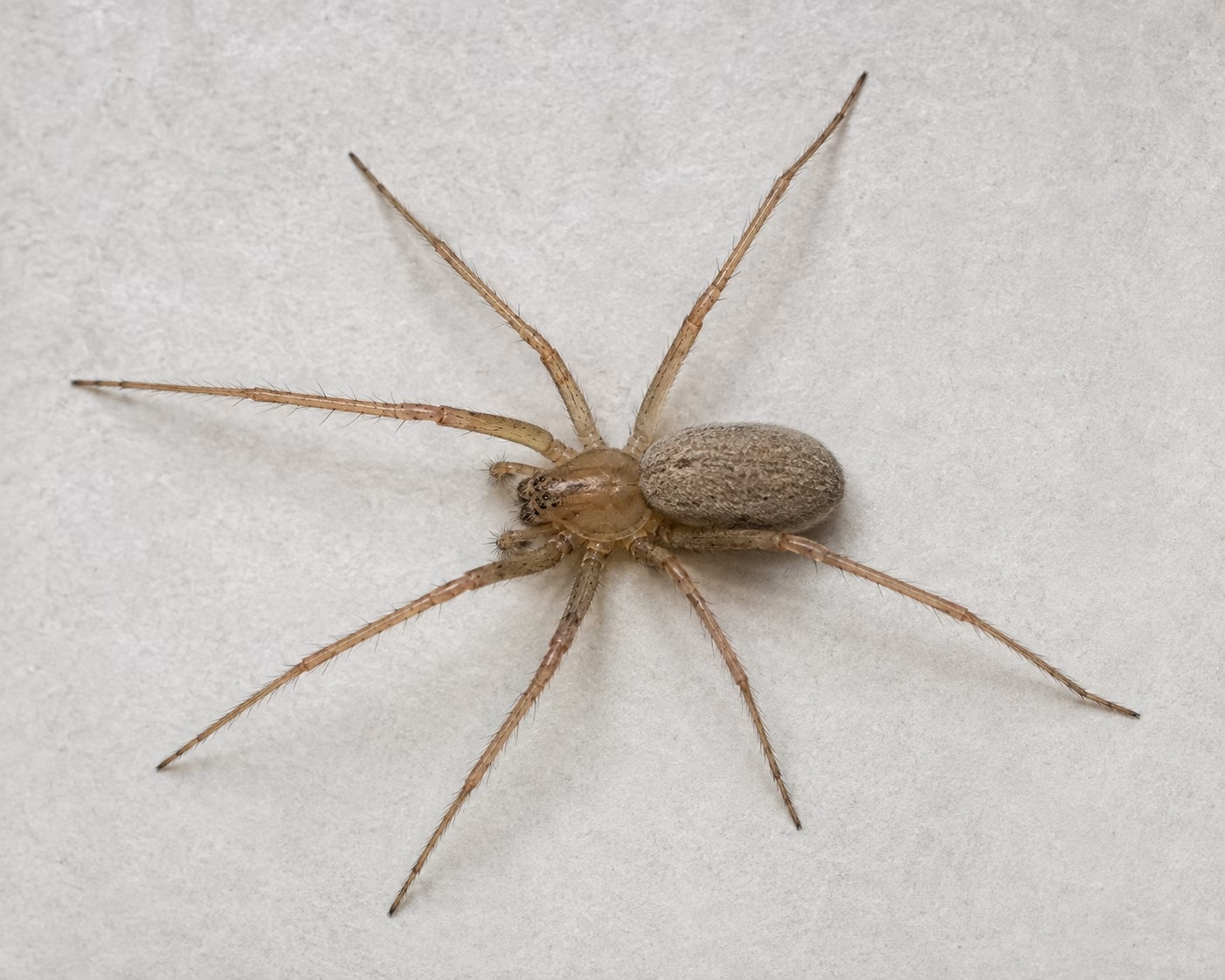
Sac spiders are among the most common house spiders in North America, yet also one of the most misunderstood. Many Florida homeowners see a pale spider in a corner and assume it is harmless, only to learn later that certain sac spider species can bite and cause skin irritation. Florida’s warm, humid climate keeps sac spiders active for much of the year, which makes understanding them especially useful for residents across the state.
This guide walks through everything you need to know, identification, habitat, bite symptoms, and proven removal methods, so you can protect your home and family with confidence and peace of mind.
What Is a Sac Spider?
A sac spider gets its name from the small silk sac it builds as a resting shelter, usually tucked into a corner of a wall, ceiling or under a piece of furniture. Unlike orb-weavers that spin large webs to trap prey, sac spiders skip the web entirely. They are active hunters that leave their sac at night and roam the home or garden in search of insects, returning to the same shelter once feeding is done.
Sac spiders belong to the family Clubionidae, along with related families such as Cheiracanthiidae. Most species measure between 5 and 10 millimeters in body length, with slender legs that extend well beyond the body outline, giving them a longer, lankier look than many other house spiders. Their coloring ranges from pale yellow to tan or light brown, with few or no distinct markings on the abdomen.
This plain, pale appearance is exactly why the yellow sac spider is the most frequently reported species in homes across the United States, including Florida, where it blends easily into walls and ceilings, often going unnoticed until a bite or a sighting draws attention.
Types of Sac Spiders Found in Homes
Not all sac spiders look or behave the same way. Knowing the type you are dealing with helps determine the right response, and several of these species turn up regularly in Florida homes and yards.
Yellow Sac Spider
Scientific names: Cheiracanthium inclusum and Cheiracanthium mildei. This is the most common indoor species, identified by a pale yellow to greenish body. It is also responsible for the most medically significant bites among all sac spiders, and it is well established throughout Florida.
Black-Footed Yellow Sac Spider
Similar in size and overall color to the standard yellow sac spider, this species stands out due to darker tips on its front legs, which make it easier to distinguish on close inspection.
Broad-Faced Sac Spider
Slightly larger than other sac spider types, with a noticeably wider head region. This species is less commonly found indoors and tends to stay closer to outdoor structures.
Agrarian Sac Spider
Typically found outdoors in gardens and open fields, this spider occasionally wanders indoors during cooler months when outdoor conditions become less favorable, though in Florida this seasonal shift tends to be milder and less pronounced than in colder states.
Most sac spiders share a similar body shape, an oval abdomen, pale coloring, and eight eyes arranged in two rows. This overlap in features makes visual identification tricky without close inspection.
Where Do Sac Spiders Live and Hide?
Sac spiders prefer dark, undisturbed spaces both indoors and outdoors. Understanding their preferred hiding spots makes prevention and removal far more effective, since these spiders rarely wander into open, well-lit areas during the day.
Indoors, they are commonly found in:
- Ceiling and wall corners, especially where the wall meets the ceiling
- Behind picture frames, mirrors, and curtains
- Inside closets, cardboard boxes, and storage containers
- Under furniture and along baseboards
- Within bedding, clothing piles, or laundry left on the floor
These spots share one thing in common: they stay undisturbed for long stretches, giving sac spiders a safe place to build their silk sac and rest during the day.
Outdoors, sac spiders live under bark, rocks, leaf litter, mulch, and dense vegetation near a home’s foundation. Woodpiles and garden debris also offer shelter, and Florida’s mulch-heavy landscaping provides no shortage of these hiding spots. They often migrate indoors during late summer and fall, when outdoor temperatures drop and prey insects become harder to find, though in Florida sightings can remain fairly steady across much of the year given the mild climate.
Are Sac Spiders Dangerous? Bite Symptoms Explained
This is the question most homeowners want answered first. Sac spiders, particularly the yellow sac spider, are considered mildly venomous and are responsible for more reported bites than almost any other spider species in North America.
A sac spider bite typically causes:
| Symptom | Timeline | Severity |
| Sharp pinprick sensation | Immediate | Mild |
| Redness and swelling at the site | Within minutes to hours | Mild to moderate |
| Itching or burning | Hours to 1 day | Mild to moderate |
| Small blister or open sore | 1 to 3 days | Moderate |
| Slow-healing wound | Several days to 2 weeks | Moderate |
Unlike a brown recluse bite, sac spider bites rarely cause severe tissue necrosis, though some cases have been mistaken for recluse bites due to similar early symptoms. This distinction is worth keeping in mind in Florida, where confirmed brown recluse sightings are rare, making a sac spider the more likely culprit behind an unexplained bite. Most bites heal on their own within one to two weeks without medical treatment. Severe reactions are uncommon but not impossible, especially in people with sensitive skin or allergies.
What to Do If You Get Bitten by a Sac Spider
Acting quickly after a bite reduces discomfort and lowers infection risk. Follow these steps as soon as you notice a bite.
- Wash the Area Immediately: Clean the bite with soap and water right away to reduce bacteria at the site and lower the chance of infection.
- Apply a Cold Compress: Hold a cold compress on the bite for 10 to 15 minutes. This reduces swelling and helps numb the pain.
- Elevate the Affected Limb: If the bite is on an arm or leg, keep the limb raised. This helps limit swelling and slows the spread of irritation.
- Apply an Antibiotic Ointment: Cover the bite with a thin layer of antibiotic ointment and protect it with a clean bandage to prevent further irritation.
- Monitor for Worsening Symptoms: Watch the bite closely over the next 48 hours. Spreading redness, fever or intense pain are signs the bite needs closer attention.
- Seek Medical Attention if Needed: Contact a doctor if you notice signs of infection, severe swelling or an allergic reaction such as difficulty breathing.
Most people recover without complications. However, anyone with a compromised immune system, young children or symptoms that worsen after two days should consult a doctor or urgent care clinic promptly.
Signs of a Sac Spider Infestation in Your Home
A single sac spider sighting does not always mean an infestation, but certain signs point to a larger population living in and around your home. Florida’s warm, humid climate can allow these populations to grow faster than in cooler regions.
- Multiple silk sacs found in corners, closets, or behind furniture
- Repeated sightings of pale yellow spiders, especially at night
- Small, unexplained bite marks appearing on family members
- Egg sacs (small white silk pouches) tucked in ceiling corners or window frames
- Increased spider activity after seasonal changes, particularly in fall
If you notice two or more of these signs, it is worth conducting a full inspection or contacting a licensed Florida pest control provider for an assessment.
How to Prevent Sac Spiders From Entering Your Home
Prevention is the most cost-effective way to manage sac spiders long term. A combination of exclusion and sanitation steps keeps populations low.
- Seal cracks and gaps around windows, doors, and utility entry points with caulk or weatherstripping, a step that matters in Florida homes where stucco can develop small cracks over time
- Install door sweeps to block ground-level entry
- Reduce outdoor clutter such as woodpiles, leaf litter, and debris near the foundation
- Trim vegetation and shrubs so branches do not touch the exterior walls
- Vacuum corners, closets, and baseboards weekly to remove webs and egg sacs
- Replace outdoor lighting with yellow or sodium-vapor bulbs, which attract fewer insects and, in turn, fewer spiders
- Store clothing and linens in sealed containers rather than open piles
Consistent maintenance is more effective than occasional deep cleaning, since sac spiders rebuild sacs quickly once disturbed, and Florida’s climate means this upkeep is worth doing year round rather than just seasonally.
Natural and DIY Sac Spider Control Methods
For homeowners who prefer to start with non-chemical options, several DIY methods offer real results when applied consistently.
Peppermint Oil Spray
Mix 10 to 15 drops of peppermint oil with water in a spray bottle and apply along baseboards, window sills, and entry points. Spiders dislike the strong scent and tend to avoid treated areas.
Diatomaceous Earth
This natural powder dehydrates spiders and their prey on contact. Apply it in cracks, crevices and along the foundation for ongoing protection.
Sticky Traps
Place sticky traps along walls and in corners to monitor activity and catch wandering spiders before they settle in.
Regular Vacuuming
Vacuum corners, closets, and baseboards often. This removes webs, sacs, and eggs before they have a chance to mature.
Reduce Insect Prey
Since sac spiders feed on other bugs, controlling ants, flies, and moths indirectly reduces the food sources that draw spiders indoors in the first place, which is especially useful in Florida given the state’s high year-round insect activity.
DIY methods work best for light activity. Heavier infestations usually require professional-grade treatment for full control.
When to Call a Professional Pest Control Service
Some situations call for expert intervention rather than continued DIY effort. Consider contacting a licensed pest control company if:
- You find multiple sac spiders or egg sacs across different rooms
- Bites are occurring repeatedly within the household
- DIY treatments have not reduced activity after several weeks
- You are unable to locate or seal all entry points on your own
- You have young children, elderly residents, or anyone with skin sensitivities at home
A professional inspection typically includes locating nesting sites, treating both interior and exterior areas, and sealing common entry points. Many Florida pest control companies also offer quarterly or seasonal pest control plans that keep sac spiders and other common pests from returning, which is often more cost-effective than repeated one-time treatments.
Sac Spider vs Other Common House Spiders
Homeowners often confuse sac spiders with other species. This comparison table highlights the key differences.
| Feature | Sac Spider | Brown Recluse | Wolf Spider | Common House Spider |
| Color | Pale yellow to tan | Light to dark brown | Brown, gray, mottled | Brown, tan mixed pattern |
| Web type | Silk sac shelter, no web | No web | No web, ground hunter | Irregular cobweb |
| Bite risk | Mild to moderate | Moderate to severe | Low | Very low |
| Common habitat | Wall corners, ceilings | Dark, undisturbed areas | Ground level, basements | Corners, ceilings |
| Markings | No distinct pattern | Violin-shaped mark | Distinct leg banding | Mottled abdomen |
Correct identification matters because treatment recommendations and bite-response urgency differ across species, and it’s a particularly useful distinction in Florida, where sac spiders are far more likely to be the actual culprit than a brown recluse.
Final Thoughts
Sac spiders are a common part of life in most Florida homes, and in the majority of cases they pose only a mild nuisance rather than a serious threat. Understanding how to identify them, where they hide, and how to respond to a bite puts you in control of the situation.
Combining consistent prevention habits with early detection significantly reduces both sightings and bite risk. When infestations grow beyond what DIY methods can handle, a licensed Florida pest control professional can provide targeted treatment and long-term peace of mind.
FAQs
What Does A Sac Spider Bite Look Like?
A sac spider bite usually appears as a small red bump with mild swelling, sometimes developing into a tiny blister or slow-healing sore within a few days.
Are Sac Spiders Poisonous To Humans?
Sac spiders are mildly venomous. Their bite can cause pain, redness, and itching, but severe reactions are rare in healthy adults.
How Can I Tell A Sac Spider From A Brown Recluse?
Sac spiders are pale yellow without a violin-shaped marking, while brown recluse spiders are darker brown and often show that distinct mark on the back. Since confirmed brown recluse sightings are rare in Florida, a pale spider found indoors is more likely to be a sac spider.
Why Do I Keep Finding Sac Spiders In My Bedroom?
Sac spiders are drawn to dark, undisturbed corners, closets, and bedding, which makes bedrooms a common hiding spot, especially near ceilings and behind curtains.
Do Sac Spiders Build Webs?
No. Sac spiders build small silk sacs for shelter rather than webs for catching prey. They hunt actively at night instead.
What Time Of Year Are Sac Spiders Most Active In Florida?
Sac spider activity typically increases in late summer and fall in most of the country, but Florida’s warm climate means sightings can occur throughout much of the year rather than dropping off sharply in winter.
Can Sac Spider Bites Get Infected?
Yes. Like any skin wound, a sac spider bite can become infected if not kept clean. Watch for increasing redness, warmth, or pus around the site.
What Kills Sac Spiders Naturally?
Peppermint oil spray and diatomaceous earth are effective natural options, along with regular vacuuming to remove sacs and eggs before they hatch.
Should I See A Doctor For A Sac Spider Bite?
Most bites heal without treatment within one to two weeks. See a doctor if you notice spreading redness, fever, intense pain, or signs of an allergic reaction.
How Much Does Professional Sac Spider Removal Cost In Florida?
Costs vary by region and infestation size, but most pest control treatments for spiders range between $100 and $300 for an initial visit, with lower rates for ongoing quarterly plans.