
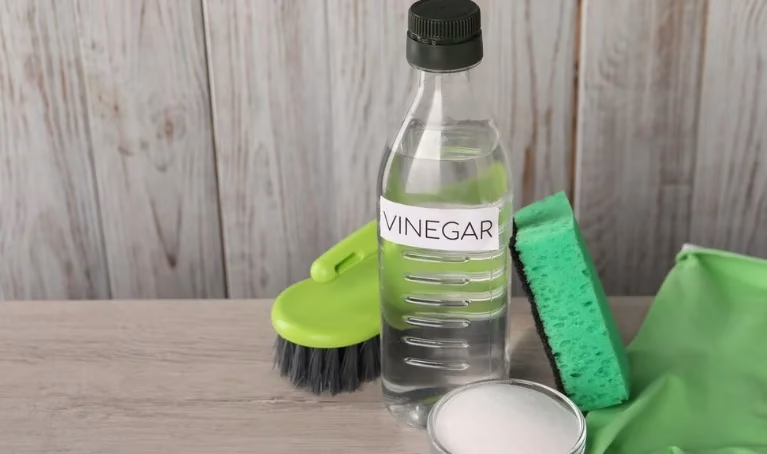
Mice infestations can be frustrating, damaging, and unsanitary, posing health risks, contaminating food, and destroying insulation or wiring. Many homeowners prefer natural solutions over toxic chemicals, especially in households with pets or children. One popular option is vinegar as mice repellent, thanks to its strong, pungent odor that disrupts a mouse’s sense of smell. Since mice rely heavily on scent trails to find food and shelter, vinegar can make your space less attractive to them. While not a guaranteed fix, consistent use of vinegar—especially in high-traffic rodent areas—can support other preventative efforts and help keep unwanted rodents at bay.
Does Vinegar Repel Mice?
Vinegar has a strong, pungent odor that disrupts the scent trails mice use to navigate. While it won’t kill or trap mice, the smell can help deter them from certain areas. Mice rely heavily on smell to find food and move safely; vinegar’s sharp acidity can overwhelm this sense, encouraging them to seek out more hospitable spaces. However, vinegar is best used as part of a broader prevention and exclusion strategy.
Also Read: Best Home Remedies to Rid Mice
Is Vinegar Scientifically Proven to Repel Mice?
Vinegar is not scientifically proven as a long-term or standalone solution for repelling mice, but evidence supports its use as a short-term deterrent. Mice rely heavily on scent trails to navigate, locate food, and feel safe. Vinegar’s strong acetic acid smell can overwhelm their sensitive noses, temporarily disrupting these scent trails and making treated areas uncomfortable. However, studies and observations show that this effect only lasts while the odor remains strong. Once the smell fades, mice may return. For this reason, vinegar works best as a supportive prevention tool, not a permanent or scientific fix for active infestations.
What Pest Control Experts Say About Using Vinegar for Mice
Pest control experts generally view vinegar as a supplemental deterrent, not a primary mouse control method. Professionals agree that while vinegar can help discourage mice from specific areas, it does not remove nests, eliminate breeding mice, or block entry points. Experts emphasize that mice are motivated by food, warmth, and shelter, and strong smells alone rarely override these needs. Most professionals recommend using vinegar alongside sealing gaps, improving sanitation, and setting traps if mice are already inside. In expert practice, vinegar is considered useful for early detection, prevention, and scent disruption, but not for resolving established infestations.
How to Use Vinegar as Mice Repellent
1. Vinegar Spray Solution
Mix equal parts white vinegar and water in a spray bottle. Spray along baseboards, entry points, under sinks, behind appliances, and in cupboards. Repeat every few days to maintain a strong smell. For best results, focus on corners and hidden areas mice travel, and spray after cleaning to remove scent trails and make re-entry less appealing.
2. Vinegar-Soaked Cotton Balls
Soak cotton balls thoroughly in undiluted white vinegar. Place them in drawers, cabinets, attic spaces, or near known entry points. Replace them weekly or when they dry out. Position them strategically in dark, quiet areas where mice prefer to nest, and use plenty to create a stronger scent barrier that encourages mice to leave.
3. Cleaning Surfaces with Vinegar
Mop floors, wipe counters, and clean shelves with a vinegar solution. This not only removes food crumbs that attract mice but also leaves behind a scent they dislike. Regular cleaning with vinegar also disinfects surfaces, breaks their scent trails, and reduces bacteria, making your home less attractive overall to rodents seeking shelter and food.
Also Read: How to Get Rid of Mice Smell
4. Adding Essential Oils to Vinegar
Combine vinegar with strong-smelling essential oils like peppermint, clove, or eucalyptus for extra repellent power. This creates a more potent, multi-layered scent barrier mice are less likely to tolerate. The combination also improves the smell for humans while boosting the deterrent effect, helping protect vulnerable areas with an enhanced natural formula.
5. Using Vinegar in Outdoor Areas
Spray vinegar solution around porches, garages, sheds, and foundation cracks. Focus on areas where mice might gain entry from outside to deter them before they get inside. Target known travel routes, garden edges, and places with food scraps or shelter, creating an effective barrier that reduces the chance of mice moving indoors.
6. Refreshing Applications Regularly
Vinegar’s scent fades quickly, especially in open or ventilated areas. Make sure to reapply sprays or replace cotton balls every few days to maintain an effective barrier. Consistent reapplication keeps scent levels high enough to repel mice over time, preventing them from getting used to the smell or finding new, unprotected pathways.
Helpful for you: Hor to Use Peppermint Oil for Mice
Benefits of Using Vinegar as Mice Repellent
1. Natural and Non-Toxic
Vinegar is safe for use around children and pets, making it a great alternative to poisons and harsh chemical repellents. You can apply it confidently in kitchens, bedrooms, and play areas without worrying about toxic residue, ensuring a safer, healthier environment for the entire household.
2. Affordable and Accessible
White vinegar is cheap and widely available in grocery stores, making it one of the most cost-effective DIY pest control options. It’s easy to buy in bulk for ongoing use, helping you maintain an effective rodent deterrent strategy without straining your budget or requiring special products.
3. Cleans and Disinfects
Vinegar not only repels mice but also disinfects surfaces, removing bacteria, food particles, and other residues that attract pests. It’s a natural cleaner that helps prevent cross-contamination, reduces germs in food prep areas, and contributes to an overall cleaner, more hygienic living space.
4. Environmentally Friendly
Using vinegar reduces the need for chemical rodenticides that can harm wildlife or contaminate water sources, supporting an eco-friendly approach to pest control. Its biodegradable formula breaks down safely in the environment, aligning with sustainable living practices while protecting your home from pests.
5. Versatile and Easy to Use
You can use vinegar in sprays, wipes, soaks, or mopping solutions, making it easy to treat multiple surfaces and areas of your home. This flexibility lets you target entry points, hidden corners, and high-risk zones effectively without specialized tools or complicated preparations, making prevention simple.
6. Combines Well with Other Natural Repellents
Vinegar works well with essential oils or other scent-based deterrents, making it easy to create a layered, more effective pest prevention strategy. Combining strong scents enhances repellent power, offering a customizable, multi-pronged approach that can adapt to different spaces and changing infestation risks.
Also Read: How Do Mice Fit in Small Spaces?
Disadvantages of Using Vinegar as Mice Repellent
1. Short-Lived Effect
Vinegar’s smell fades quickly, requiring frequent reapplication to remain effective, especially in well-ventilated or high-traffic areas.
2. Limited to Deterrence
Vinegar doesn’t kill or trap mice. It can help drive them away temporarily but won’t eliminate an established infestation.
3. Strong Smell for Humans
The intense vinegar scent can be unpleasant for people, especially if applied heavily indoors in small or closed spaces.
4. Less Effective for Large Infestations
In cases of severe or widespread infestations, vinegar alone is unlikely to solve the problem and may need to be part of a broader strategy.
5. Requires Consistent Maintenance
Regular cleaning, spraying, and replacing vinegar-soaked materials is necessary to maintain effectiveness, which can be time-consuming.
6. Risk of Surface Damage
Undiluted vinegar can damage some surfaces, like natural stone or certain finishes, requiring careful use and testing in small areas first.
Must Read: How Do Rodent Repellents Work?
Best Places to Apply Vinegar for Maximum Effect
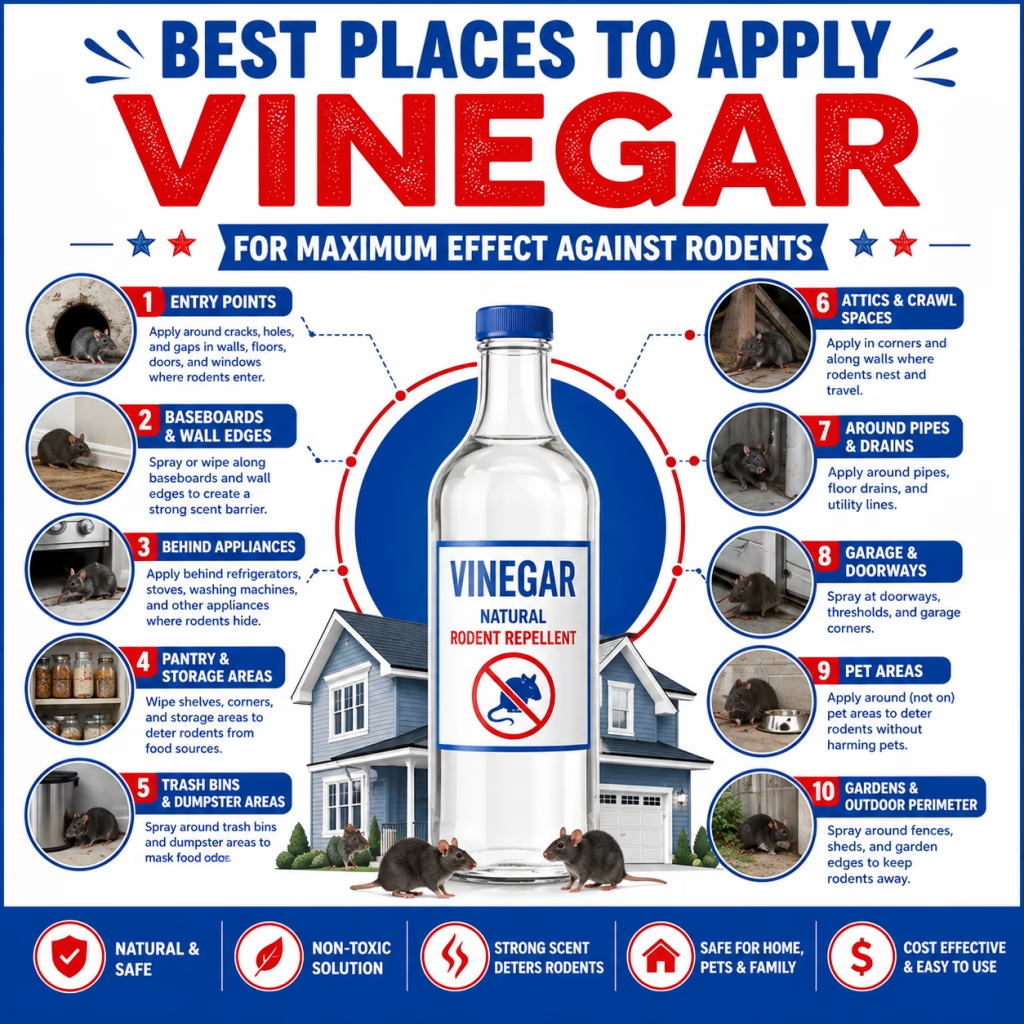
- Along baseboards and wall edges
- Inside cupboards and pantry corners
- Under sinks and behind appliances
- Around attic entrances and crawl space openings
- Near exterior doors, vents, and foundation cracks
Signs Vinegar Is Working
- Fewer Sightings of Mice – You notice less mouse activity near treated areas like cupboards, baseboards, or attics.
- Reduction in Droppings – Fresh droppings become rare or stop appearing in areas treated with vinegar.
- Avoidance of Treated Areas – Mice stop frequenting corners, behind appliances, or other spots where vinegar is applied.
- Less Gnawing or Damage – Chewing on wires, boxes, or furniture in treated areas decreases.
- No Nesting Signs – Mice do not build nests or move nesting materials in areas treated with vinegar.
- Temporary Retreat – Mice may temporarily leave or avoid treated areas, indicating the scent is disturbing them.
Signs Vinegar Is Not Working
- Continued Sightings of Mice – Mice are still active in vinegar-treated areas.
- Fresh Droppings – New droppings appear near cotton balls, sprayed areas, or along baseboards.
- Ongoing Gnawing – Chewing on furniture, wires, or boxes persists despite vinegar use.
- Active Nesting – Mice are still building nests or using areas where vinegar was applied.
- Odor Fades Quickly – The vinegar scent disappears too fast, allowing mice to return.
- No Change in Behavior – Mouse activity and movement remain the same, showing the deterrent isn’t effective.
Vinegar vs. Other Natural Mice Repellents
| Repellent | Repellent Type | Toxicity | Ease of Use | Longevity | Best For | Cost |
|---|---|---|---|---|---|---|
| Vinegar | Scent-based | Non-toxic | Easy spray or soak | Short-lived, needs frequent reapplication | Small prevention areas | Very low |
| Peppermint Oil | Scent-based | Non-toxic | Cotton balls or spray | Lasts longer with reapplication | Small prevention areas | Low–Medium |
| Clove Oil | Scent-based | Non-toxic | Cotton balls or spray | Medium with reapplication | Small prevention areas | Low–Medium |
| Dryer Sheets | Scent-based | Low | Tuck into spaces | Short-term | Supplementary deterrent | Low |
| Steel Wool & Caulk | Physical barrier | Non-toxic | Requires sealing work | Permanent once installed | Blocking entry completely | Low (DIY) to Medium (Pro) |
Vinegar vs Peppermint Oil vs Traps: Which Works Better for Mice?
| Method | How It Works | Effectiveness | Best Use Case |
|---|---|---|---|
| Vinegar | Disrupts scent trails with strong acidity | Low to moderate (temporary) | Cleaning, prevention, scent removal |
| Peppermint Oil | Irritates mouse smell receptors | Moderate (short-term deterrent) | Entry points and low activity areas |
| Traps (Snap or Live) | Captures or kills mice directly | High when placed correctly | Active infestations |
| Poison Baits | Toxic ingestion | Very high but risky | Severe infestations (with caution) |
| Sealing Entry Points | Physically blocks access | Very high long-term | Permanent prevention |
| Combined Approach | Multiple methods together | Highest effectiveness | Long-term rodent control |
Conclusion
Vinegar is a simple, natural, and affordable tool for repelling mice, especially as part of an integrated prevention strategy. While it won’t eliminate an infestation on its own, its strong scent disrupts mice’s comfort and navigation, making your home less inviting. By using vinegar wisely—alongside sealing entry points, maintaining cleanliness, and combining with other repellents—you can help keep your home rodent-free without relying on harsh chemicals.
FAQs
Does vinegar really keep mice away?
Vinegar’s strong smell can help deter mice temporarily by disrupting their scent trails, but it won’t eliminate an existing infestation alone.
How often should I reapply vinegar?
Because the scent fades, reapply vinegar sprays or replace soaked cotton balls every few days for maximum effectiveness.
Is vinegar safe to use around pets and kids?
Yes! Vinegar is non-toxic and safe, making it a great choice for families looking to avoid chemical repellents.
Can vinegar damage surfaces?
Undiluted vinegar can damage natural stone or some finishes. Always test in a small area first and dilute as needed for general cleaning.
Should I use vinegar alone for mice control?
Vinegar works best as part of a larger strategy that includes sealing entry points, removing food sources, and using other repellents or traps if needed.
Can vinegar be used outside to repel mice?
Yes, vinegar can be used outdoors, but its effectiveness is limited. Wind, rain, and sunlight cause the scent to fade quickly.