
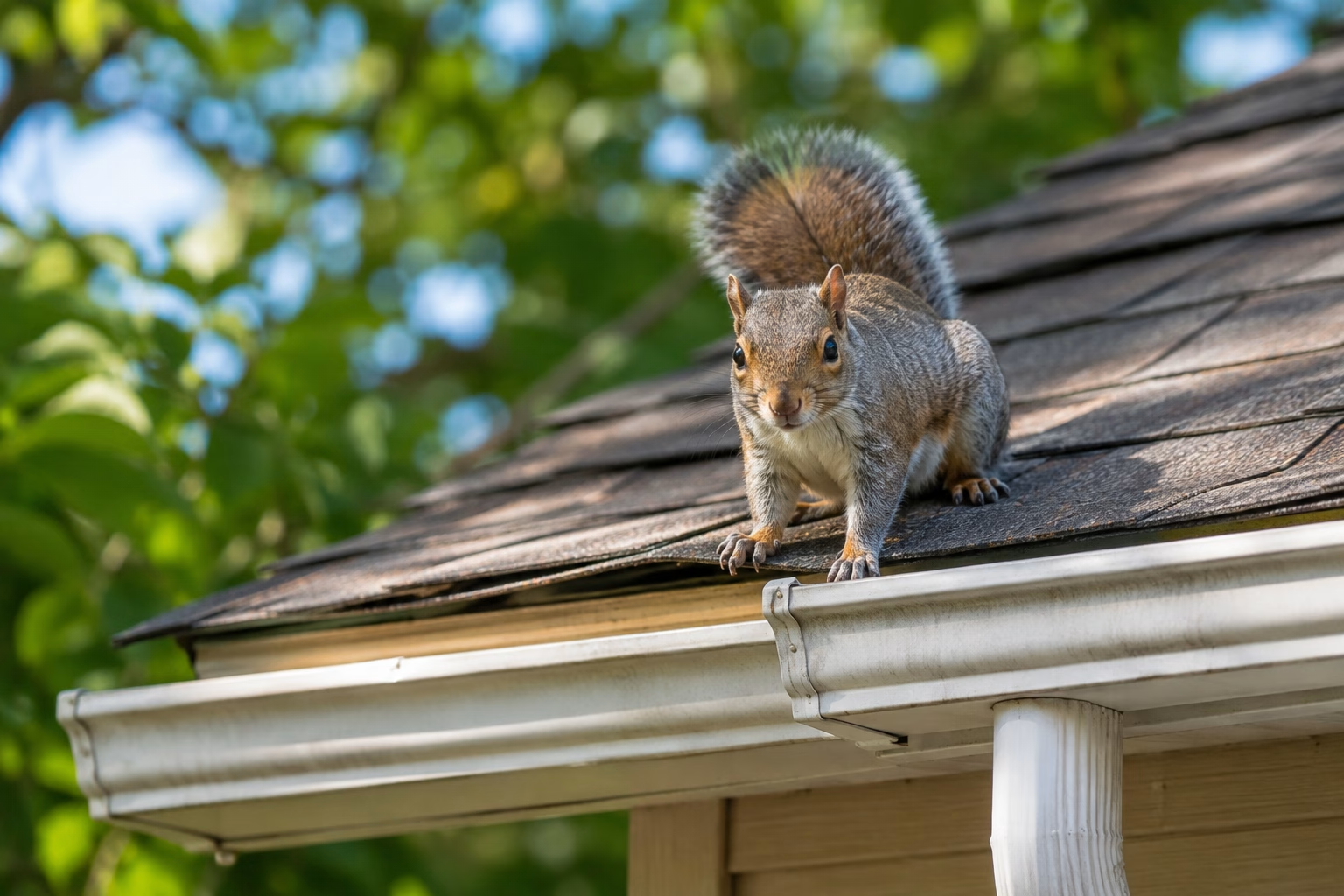
Squirrels may look harmless, but once they move into a Florida attic, soffit, or crawl space, they can cause real damage fast. Homeowners across the state often ask the same question: how much does squirrel removal actually cost? The answer depends on the extent of the infestation, the removal method used, and the amount of repair work needed afterward.
This guide breaks down real cost ranges, the factors that drive pricing, and how to avoid overpaying for wildlife removal services.
Average Squirrel Removal Cost in Florida
Most Florida homeowners pay between $150 and $600 for basic squirrel removal, though full-service jobs involving exclusion work and repairs can run $300 to $1,500 or more. The wide range exists because “squirrel removal” can mean anything from a single trap set on a roofline to a multi-day exclusion project with attic restoration.
| Service Type | Typical Cost Range |
| Initial inspection | $75 – $150 |
| Single trap and removal | $150 – $300 |
| Full exclusion (sealing entry points) | $300 – $700 |
| Attic cleanup and sanitation | $200 – $600 |
| Insulation replacement | $1 – $3 per square foot |
| Structural repairs (soffit, fascia, vents) | $150 – $800 |
These figures reflect general industry pricing across Florida and can vary based on the company, region, and severity of the problem. A licensed wildlife control operator will typically provide a firm quote after inspecting the property in person.
Factors That Affect Squirrel Removal Pricing
Several variables determine why one job costs $200 while a similar-sounding job costs $1,200. Understanding these factors helps homeowners set realistic expectations before calling a professional.
Key pricing factors include:
- Number of squirrels involved: A single squirrel is far cheaper to remove than an established colony with a breeding nest.
- Entry point location: Squirrels accessing the roofline or attic vents are more labor-intensive to exclude than those in an easily reached crawl space.
- Extent of damage: Chewed wiring, torn insulation, and compromised soffits add repair costs on top of removal.
- Time of year: Spring and late summer birthing seasons often mean removing juvenile squirrels along with adults, which adds complexity.
- Home size and roof height: Two-story homes and steep or tile roofs typically increase labor time and equipment needs.
- Trapping vs. exclusion method: One-time trapping is cheaper upfront but less permanent than full exclusion work.
Once these variables are assessed, a technician can recommend the most cost-effective removal method for the specific situation, which naturally leads into how each method is priced.
Cost by Removal Method (Trapping, Exclusion, and Repairs)
Removal companies generally use one of three approaches, each with a different price point and level of long-term effectiveness.
- Live trapping: Cage traps are placed near active entry points and checked daily. This method typically costs $150–$300 per visit and works best for isolated squirrel activity.
- One-way exclusion devices: These allow squirrels to leave the attic but prevent re-entry. Exclusion work costs $300–$700 and is considered the industry standard for permanent removal.
- Full exclusion with repairs: Combines exclusion devices with sealing gaps, repairing soffits, and reinforcing vulnerable entry points. This comprehensive approach ranges from $500 to $1,500, depending on damage severity.
Exclusion-based methods tend to cost more initially but reduce the chance of repeat infestations, which matters in Florida’s warm, humid climate where squirrels breed multiple times per year. With the method selected, the next consideration is how location within Florida can shift these baseline prices.
Squirrel Removal Cost by Florida City and Region
Pricing varies moderately across the state due to differences in cost of living, housing density, and local demand for wildlife control services.
| Florida Region | Typical Price Range |
| Miami-Dade and Broward County | $200 – $700 |
| Orlando and Central Florida | $175 – $600 |
| Tampa Bay Area | $175 – $650 |
| Jacksonville and Northeast Florida | $150 – $550 |
| Fort Myers and Southwest Florida | $175 – $600 |
| Tallahassee and the Panhandle | $150 – $500 |
Urban areas like Miami and Tampa tend to sit at the higher end due to labor costs and older housing stock with more entry points, while smaller inland cities often see slightly lower rates. Regardless of location, additional repair needs can still increase the final invoice, which is where secondary costs come into play.
Additional Costs: Repairs, Damage, and Prevention
Removing the squirrels is often just the first phase. Attic squirrels frequently leave behind damage that requires separate remediation.
Common add-on costs include:
- Insulation replacement: $1–$3 per square foot, since squirrel nests and waste commonly contaminate existing insulation.
- Electrical wiring repair: $100–$500 or more if squirrels have chewed through wiring, which also raises fire safety concerns.
- Attic sanitation and deodorizing: $200–$600 to remove droppings, urine odor, and nesting material.
- Soffit, fascia, and vent repair: $150–$800 depending on the number of damaged sections.
- Preventive maintenance plans: $100–$300 annually for periodic inspections to catch new activity early.
Homeowners insurance rarely covers squirrel damage, since most policies classify wildlife intrusion as a preventable maintenance issue rather than a covered peril. It’s worth confirming this directly with an insurance provider before assuming coverage applies. Given these added expenses, some homeowners consider handling removal themselves, which raises the next important comparison.
DIY Squirrel Removal vs. Hiring a Professional
DIY traps purchased from hardware stores cost $30–$80, which looks appealing next to professional service fees. However, DIY squirrel removal comes with real limitations that often lead to higher costs down the road.
| Factor | DIY Removal | Professional Removal |
| Upfront cost | $30 – $80 | $150 – $1,500 |
| Success rate | Lower, especially with nests | Higher, with guaranteed exclusion |
| Legal compliance | Homeowner responsible | Licensed and permitted |
| Repair and sanitation | Not included | Often included or offered |
| Risk of injury or disease | Higher | Minimized with proper equipment |
Florida squirrels can carry parasites and, in rare cases, transmit disease, so direct handling carries genuine health risk. Incomplete DIY removal also frequently results in repeat infestations, since juvenile squirrels or overlooked entry points allow the cycle to continue. For most homeowners, this cost-benefit tradeoff points toward hiring a licensed professional, which makes choosing the right company the next critical step.
How to Choose a Licensed Wildlife Removal Company in Florida
Not all wildlife control companies offer the same quality of service, and price alone shouldn’t determine the decision.
Look for these qualifications before hiring:
- Active licensing recognized by the Florida Fish and Wildlife Conservation Commission (FWC).
- Clear, written estimates that break down inspection, removal, and repair costs separately.
- A written guarantee or warranty on exclusion work, typically ranging from 6 months to 2 years.
- Positive reviews specifically mentioning squirrel or attic wildlife jobs, not just general pest control.
- Willingness to explain the removal method being used and why it fits the specific situation.
Reputable companies will also walk homeowners through relevant state regulations, which directly affects both legality and pricing.
Florida Laws and Regulations on Squirrel Removal
Squirrel removal in Florida is regulated by the Florida Fish and Wildlife Conservation Commission (FWC). Homeowners should understand a few key points:
- Gray squirrels and fox squirrels are common nuisance species, but relocation and handling rules still apply under state wildlife guidelines.
- Nuisance wildlife trappers must hold appropriate permits to trap and relocate squirrels legally.
- Certain squirrel species, such as the Big Cypress fox squirrel, are protected, and different handling rules apply if one is encountered.
- Improper removal methods, including certain poisons or unsafe trap placements, can violate state law and put homeowners at legal risk.
Working with a permitted operator ensures compliance and avoids potential fines, which also tends to correlate with more predictable, transparent pricing. With legal considerations addressed, homeowners can focus on practical ways to keep overall costs down.
How to Reduce Squirrel Removal Costs
Several proactive steps can lower both the immediate removal cost and the likelihood of future infestations.
- Act early: Addressing squirrel activity at the first sign of noise or droppings prevents nest establishment and reduces labor time.
- Get multiple quotes: Comparing at least two or three licensed companies helps identify fair market pricing for the specific job.
- Bundle repairs with removal: Companies often discount combined exclusion and repair packages compared to scheduling them separately.
- Schedule outside peak breeding season: Spring litters can complicate removal, so late fall or winter service calls are sometimes more straightforward and quicker to resolve.
- Invest in preventive exclusion: Sealing common entry points such as roof vents, soffit gaps, and utility line openings reduces the odds of repeat calls.
Taking these steps won’t eliminate costs entirely, but they can meaningfully reduce the total amount spent over time.
Final Thought
Squirrel removal costs in Florida typically range from $150 to $1,500, with the final price shaped by infestation severity, removal method, location, and any necessary repairs. Basic trapping sits at the lower end, while full exclusion with attic restoration reflects the higher end of the range. Homeowners who act quickly, compare licensed providers, and invest in proper exclusion work tend to spend less overall and avoid repeat infestations. When in doubt, a professional inspection is the most reliable way to get an accurate, situation-specific quote.
FAQs
How Much Does It Cost To Remove Squirrels From An Attic In Florida?
Attic squirrel removal in Florida typically costs between $300 and $1,500, depending on the number of squirrels, the extent of nest damage, and whether exclusion work and repairs are included. A simple case with one or two squirrels and minimal damage sits at the lower end, while colonies with extensive insulation damage push costs higher.
Is Squirrel Removal Covered By Homeowners Insurance?
Most standard homeowners insurance policies do not cover squirrel removal or related damage, since wildlife intrusion is generally classified as a preventable maintenance issue rather than a sudden, accidental event. Some policies may cover resulting damage, such as electrical fire risk, but not the removal service itself. It’s best to confirm specifics directly with your insurance provider.
Can I Remove Squirrels Myself Without Hiring A Professional?
DIY removal is legal for homeowners in many cases, but it comes with real limitations, including lower success rates, health risks from handling wildlife, and the possibility of missing hidden entry points. Professional removal, while more expensive upfront, typically offers guaranteed exclusion and proper repair of damage, reducing the chance of repeat infestations.
How Long Does Squirrel Removal Usually Take?
Most squirrel removal projects take anywhere from a few days to two or three weeks, depending on the method used. Trapping alone may resolve the issue within a week, while full exclusion projects that include sealing entry points and repairing damage can take longer to complete properly.
What Time Of Year Is Squirrel Removal Most Expensive In Florida?
Costs tend to rise during spring and late summer, which align with squirrel breeding seasons in Florida. Removing juvenile squirrels along with adults adds complexity and time, since technicians must ensure no young are left behind in the attic or walls.
Do Squirrel Removal Companies Also Repair The Damage They Leave Behind?
Many licensed wildlife removal companies offer repair services, including sealing entry points, replacing damaged insulation, and fixing soffits or vents, either as part of a bundled package or as an add-on service. It’s worth asking directly whether repairs are included in the initial quote or billed separately.
Is It Illegal To Trap And Relocate Squirrels In Florida?
Trapping and relocating squirrels in Florida requires proper permitting under Florida Fish and Wildlife Conservation Commission guidelines. Homeowners attempting unauthorized relocation, or using prohibited methods such as certain poisons, can face legal consequences, which is why hiring a licensed nuisance wildlife trapper is generally recommended.
How Do I Know If I Have A Squirrel Problem Versus Rats Or Raccoons?
Squirrels are most active during daylight hours and tend to produce scratching or rolling noises in the early morning and late afternoon, unlike rats, which are typically nocturnal. Raccoons generally create heavier, more deliberate movement sounds due to their larger size. A professional inspection can confirm the species based on entry point size, droppings, and nesting materials.
What Happens If Squirrel Damage In The Attic Is Left Unaddressed?
Untreated squirrel damage can lead to chewed electrical wiring, which raises fire safety concerns, along with contaminated insulation, unpleasant odors, and structural weakening around soffits and vents. Costs generally increase the longer the problem is left unresolved, since damage compounds over time.
How Can I Prevent Squirrels From Returning After Removal?
Preventing re-entry involves sealing all identified entry points, trimming tree branches that overhang the roofline, installing vent guards, and scheduling periodic inspections. Many companies offer warranties on exclusion work, which can provide added assurance that squirrels won’t return through the same access points.