
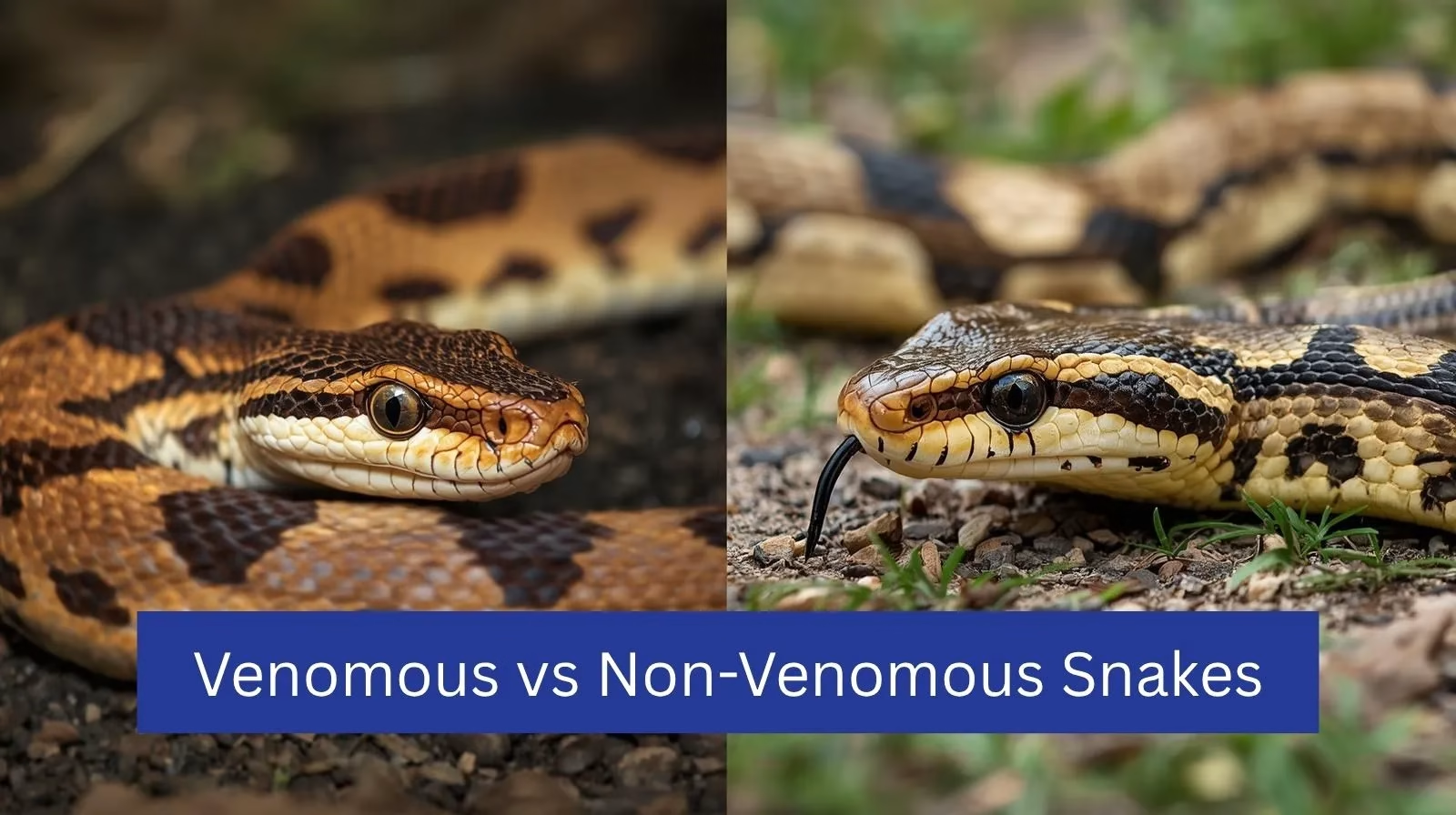
Snakes are one of the most misunderstood animals in Florida, and knowing whether a snake is venomous or non-venomous can make all the difference during a backyard encounter. Florida is home to roughly 50 native snake species, but only six are medically significant venomous snakes. The rest are harmless and beneficial, helping control rodent and insect populations. Learning the key visual, behavioral, and biological differences between venomous and non-venomous snakes helps you stay safe, avoid unnecessary panic, and respond appropriately. This guide breaks down the differences clearly, lists Florida’s most common species, and explains exactly what to do if you spot a snake on your property.
What Are Venomous Snakes?
Venomous snakes produce toxic venom in specialized glands and inject it through hollow or grooved fangs. They use this venom primarily to immobilize prey, but they will also bite defensively if threatened. In Florida, venomous species include rattlesnakes, the cottonmouth (water moccasin), copperhead, and the eastern coral snake. A venomous bite is a medical emergency requiring immediate hospital treatment. Despite their reputation, venomous snakes generally avoid humans and bite only when surprised, cornered, or stepped on, making caution and awareness far more useful than fear.
What Are Non-Venomous Snakes?
Non-venomous snakes do not produce venom. They subdue prey by constriction, swallowing it whole, or simply overpowering small prey. Their teeth are designed to grip, not inject toxins, so a defensive bite typically causes only minor puncture wounds. Florida’s non-venomous snakes—black racers, rat snakes, garter snakes, ringneck snakes, and water snakes—play an essential ecological role by controlling rodents, frogs, and insects. Most are shy and will retreat when they detect a person. Killing non-venomous snakes is illegal in many cases and removes valuable natural pest control.
Key Differences Between Venomous and Non-Venomous Snakes
1. Head Shape
Most venomous snakes (excluding the coral snake) have broad, triangular heads that are noticeably wider than the neck. This shape houses the venom glands. Non-venomous snakes typically have narrow, rounded heads that flow smoothly into the body. However, some non-venomous species flatten their heads when threatened to mimic vipers, so head shape alone should never be your only identification tool. Always combine it with other markers like behavior, pattern, and habitat.
2. Pupil Shape
Florida’s pit vipers—rattlesnakes, cottonmouths, and copperheads—have vertical, slit-like pupils similar to a cat’s. Non-venomous snakes and the coral snake have round pupils. Pupil shape is only useful when you are at a safe distance with binoculars or a zoom camera, never up close. Lighting can also affect how pupils appear, so use this trait as a secondary clue rather than a primary one when identifying a snake.
3. Fangs and Teeth
Venomous snakes have long, hinged or fixed fangs designed to inject venom. Non-venomous snakes have many small, evenly spaced teeth for gripping prey. You should never approach a snake closely enough to inspect its teeth. Instead, look at the bite pattern after an incident: venomous bites usually leave two distinct puncture marks, while non-venomous bites leave a U-shaped row of small punctures with no fang holes.
Also Read: What to Do If You Find a Snake in Your House
4. Body Shape and Build
Venomous pit vipers in Florida tend to have thick, heavy bodies and short tails relative to their length. Non-venomous snakes are typically slimmer, longer, and more streamlined for fast movement. Coral snakes break this rule with a slender body, so build alone isn’t definitive. Pair body shape with color pattern, habitat, and behavior to reach a confident identification.
5. Color and Pattern
Many venomous snakes display warning patterns—diamond shapes, blotches, or banded colors. The coral snake’s pattern (“red touches yellow, kill a fellow; red touches black, friend of Jack”) helps distinguish it from harmless mimics like the scarlet kingsnake in the southeastern U.S. Some non-venomous species mimic venomous coloring as a defense, so always check multiple traits before deciding whether a snake is dangerous.
6. Tail Features
Rattlesnakes have segmented rattles at the tip of the tail that buzz when threatened. Cottonmouths and copperheads often vibrate their tails in dry leaves, sometimes mimicking a rattle. Non-venomous snakes lack rattles and usually have a tapered tail that ends in a thin point. The presence of a rattle is a clear venomous warning, but the absence of one does not automatically mean a snake is harmless.
Helpful For You: Cottonmouth Snakes: Identification, Risks & Prevention
7. Defensive Behavior
Venomous snakes often stand their ground when threatened—coiling, hissing, gaping the mouth (cottonmouths display a bright white interior), or rattling. Non-venomous snakes typically flee quickly or use bluff tactics like flattening, vibrating tails, or releasing musk. Behavior is a useful clue: a snake that holds position and displays warnings is more likely to be venomous, while one that races away is usually harmless.
8. Swimming Style
Cottonmouths and other pit vipers swim with their bodies riding mostly on top of the water, giving a thicker, buoyant appearance. Non-venomous water snakes swim with most of their body submerged, showing only their head. This difference is one of the most reliable identification markers around Florida’s lakes, rivers, and retention ponds where water snakes are commonly mistaken for cottonmouths.
9. Bite Impact on Humans
Venomous bites cause swelling, pain, tissue damage, bleeding disorders, or neurological symptoms depending on the species, and require antivenom in many cases. Non-venomous bites typically cause small puncture wounds that need only cleaning and basic first aid. Either way, all bites should be evaluated by a medical professional, since infection and allergic reaction can occur even from non-venomous bites.
Must Read: Tampa Snakes: Understanding, Coexisting & Professional Help
10. Role in the Ecosystem
Both groups serve important roles. Venomous snakes regulate populations of mid-sized prey like rodents and amphibians, while non-venomous snakes control smaller pests including insects, slugs, and disease-carrying rodents. Killing snakes—venomous or not—disrupts these natural balances and can lead to increased rodent and insect problems on your property. Coexistence with safe distancing is the recommended approach for most encounters.
Venomous vs Non-Venomous Snakes: Quick Comparison
| Feature | Venomous Snakes | Non-Venomous Snakes |
|---|---|---|
| Head shape | Broad, triangular | Narrow, rounded |
| Pupils | Vertical slits (pit vipers) | Round |
| Fangs | Long, hollow/grooved | Small, uniform teeth |
| Body | Thick, heavy | Slim, streamlined |
| Tail | Rattle or short, blunt | Tapered to a fine point |
| Swimming | Floats on top of water | Submerged, head only |
| Behavior | Stands ground, displays warning | Usually flees quickly |
| Bite risk | Medical emergency | Minor, treat for infection |
Common Venomous Snakes in Florida
- Eastern Diamondback Rattlesnake
- Timber Rattlesnake (Canebrake)
- Dusky Pygmy Rattlesnake
- Cottonmouth (Water Moccasin)
- Southern Copperhead
- Eastern Coral Snake
The Florida Fish and Wildlife Conservation Commission maintains a complete identification guide for all native snake species.
Common Non-Venomous Snakes in Florida
- Southern Black Racer
- Eastern Rat Snake (Yellow Rat Snake)
- Corn Snake (Red Rat Snake)
- Florida Banded Water Snake
- Eastern Garter Snake
- Ringneck Snake
- Eastern Coachwhip
- Rough Green Snake
What to Do If You See a Snake
- Stop moving and back away slowly. Most snakes will not chase you.
- Keep children and pets at a safe distance—at least 6 feet.
- Take a photo from a distance for identification if it’s safe to do so.
- Do not attempt to handle, kill, or trap the snake yourself.
- If the snake is inside the home, close interior doors and call a professional.
- For bites, seek immediate medical care; do not apply tourniquets or attempt to suck venom.
When to Call a Snake Removal Professional
If a snake enters your home, garage, pool enclosure, or yard near pets and children, contact a licensed wildlife removal specialist in Florida . Professionals like WildOut can identify the species, remove the snake humanely, and inspect your property for entry points, harborage areas, and rodent activity that may be attracting snakes. Long-term prevention involves sealing gaps, trimming vegetation, controlling rodents, and removing debris piles that provide shelter.
Conclusion
Knowing the difference between venomous and non-venomous snakes turns fear into informed action. Florida’s ecosystem benefits enormously from snakes, and most encounters end safely when people stay calm, keep their distance, and call a professional when removal is needed. Use head shape, pupils, body build, and behavior together rather than relying on a single trait. When in doubt, treat every snake as venomous, give it space, and let a trained specialist handle removal. Respecting snakes protects your family, your pets, and Florida’s wildlife.
FAQs
What is the easiest way to tell if a snake is venomous?
Look at the combination of head shape (broad and triangular), pupil shape (vertical), thick body, and defensive behavior. No single trait is foolproof.
Are all Florida snakes dangerous?
No. Florida has roughly 50 snake species, but only six are venomous. The rest are harmless and beneficial for pest control.
Should I kill a venomous snake on my property?
No. Most snake bites happen when people try to kill or handle snakes. Back away and call a licensed wildlife removal professional.
What should I do if a snake bites me?
Stay calm, keep the affected limb still and below heart level, remove tight items like rings, and seek emergency medical care immediately.
How can I prevent snakes around my home?
Remove rodents, trim grass and shrubs, seal gaps in the foundation and garage, and store firewood and debris piles away from the house.