
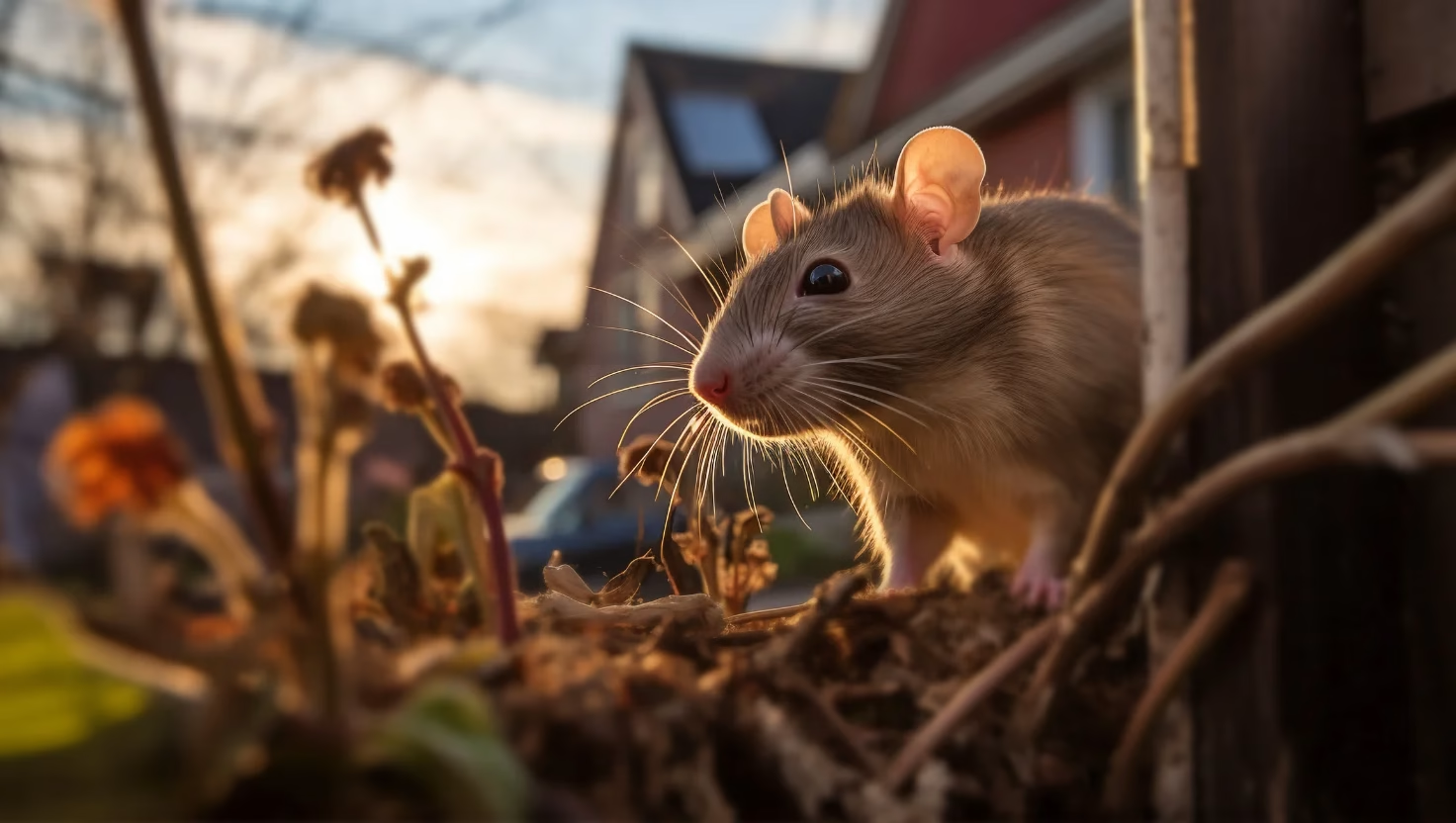
Rodents like mice and rats are more than a nuisance—they can seriously damage your home’s HVAC system. From chewed wires to blocked vents and contaminated air, rodent activity can impact your heating, cooling, and indoor air quality. They often nest in duct work, damage insulation, and create fire hazards by exposing electrical wiring. Understanding how rodents affect HVAC systems is the first step in preventing costly repairs, improving energy efficiency, and keeping your home and family safe year-round.
Why Rodents Target HVAC Systems
HVAC systems provide rodents with exactly what they need: warmth, shelter, and hidden pathways through your home. Ductwork, attic insulation, and outdoor AC units are attractive nesting spots, especially during colder months or rainy seasons. These dark, quiet areas give rodents easy access to chewable materials like wiring and foam, plus protection from predators and the elements. Once inside, they can spread to other parts of your home, causing further damage and contamination.
Common Ways Rodents Damage HVAC Systems
- Chewed Wires: Rodents gnaw on electrical wiring, causing short circuits, fire hazards, or system failure.
- Torn Duct Insulation: Rats shred insulation for nesting, reducing HVAC efficiency, and increasing energy costs.
- Blocked Vents and Ducts: Nesting materials can obstruct airflow, leading to uneven heating or cooling.
- Contaminated Air: Rodent droppings and urine in ducts can release harmful particles and foul smells into your home.
- Damaged Outdoor Units: Rodents chew wiring, build nests, or clog components in external AC units.
How to Prevent Rodents from Damaging Your HVAC System
1. Seal Entry Points
Close gaps around vents, pipes, and crawl spaces using caulk, metal mesh, or steel wool to stop rodents from entering. Inspect foundation cracks, attic openings, and utility holes carefully. Small openings can reopen over time. Regularly check sealed areas after weather changes. This step builds a strong long-term defense. Proper sealing also improves indoor energy efficiency.
2. Install Rodent-Proof Vent Covers
Fit metal or heavy-duty plastic covers over exterior vents to block rodent access. Choose corrosion-resistant materials with fine mesh for extra protection. Secure all covers tightly with screws to prevent movement. Inspect covers for rust or damage. This creates a durable protective barrier. Strong vent covers help maintain proper airflow.
Helpful for you: Best Home Remedies for keeping Rodents Away
3. Maintain Clean Areas Around Units
Clear leaves, debris, woodpiles, and food sources around outdoor HVAC units to prevent nesting. Keep the area well-maintained and visible at all times. Maintain a clear zone for airflow and inspection. Remove clutter that can provide shelter. Clean surroundings reduce pest attraction. A tidy area also makes maintenance easier.
4. Schedule Regular HVAC Inspections
Arrange professional HVAC inspections to find rodent damage before it becomes serious. Technicians can spot chewed wires, blocked vents, and hidden nests quickly. Schedule inspections before peak seasonal use. Clean systems operate more efficiently year-round. Routine checks prevent expensive repairs. Timely servicing extends system lifespan.
Must Read: How to Get Rid of Rodents in the Wall
5. Trim Vegetation Near HVAC Units
Cut back overhanging branches, shrubs, and vines that allow rodents to reach units easily. Keep a consistent clearance around equipment and rooflines. Remove dense greenery that hides pest activity. Use gravel borders to prevent burrowing. Proper landscaping limits rodent access. Well-trimmed areas improve outdoor air circulation.
6. Use Rodent Deterrents
Apply natural repellents or ultrasonic devices near vents, ducts, and common entry points. Place deterrents in attics, crawl spaces, and basements for best results. Refresh repellents according to manufacturer instructions. Combine deterrents with physical barriers. Consistent use discourages repeat infestations. These methods lower reliance on toxic chemicals.
Also Read: Why Rodents Love Commercial Property
7. Store Materials Away from HVAC Systems
Keep boxes, wood, and building materials away from HVAC equipment and vent areas. Use sealed plastic storage containers instead of cardboard. Avoid stacking items directly against walls. Maintain organized storage spaces year-round. Less clutter reduces nesting opportunities. Organized spaces make pest monitoring easier.
8. Repair Damaged Insulation and Ducts
Fix torn insulation and cracked ductwork as soon as damage is discovered. Replace soft or exposed materials that rodents can chew easily. Secure loose duct connections to prevent airflow loss. Use protective wraps on vulnerable areas. Stronger systems resist pest damage better. This helps maintain consistent indoor comfort.
9. Install Door Sweeps and Weather Stripping
Add durable door sweeps and weather stripping to close gaps under doors and windows. Seal openings in garages, basements, and storage rooms. Check seals for wear and tear regularly. Replace damaged materials when necessary. Tight seals block rodent access points. Better sealing also reduces outside dust and drafts.
For you: Deadliest Diseases Rodents Carry
10. Monitor for Early Warning Signs
Look for droppings, gnaw marks, shredded insulation, and unusual noises near vents. Perform visual inspections in attics, crawl spaces, and basements regularly. Keep a monthly inspection routine to catch problems early. React quickly when signs appear. Early detection prevents serious damage. Prompt action keeps repair costs low.
Signs Rodents Have Invaded Your HVAC System
- Strange smells from vents: May indicate rodent urine, droppings, or a dead animal inside ducts.
- Scratching or gnawing sounds: Noises inside walls or ducts, especially at night, signal rodent movement.
- Uneven airflow or hot/cold spots: Blocked ducts from nesting materials can disrupt circulation.
- Visible droppings or chewed insulation: Clear evidence near vents, basements, or attic HVAC zones.
- Tripped breakers or HVAC malfunctions: Chewed wiring can cause system failures or electrical hazards.
When to Call Professionals
If you notice strange smells from vents, reduced airflow, or signs of chewing near HVAC units, it’s time to act. These are indicators of serious rodent damage that can lead to fire hazards or unhealthy air quality. When DIY methods don’t work, or you’re unsure of the extent of the problem, it’s best to call rodent control services. Professionals can locate hidden nests, seal entry points, and coordinate with HVAC technicians to safely repair wiring, ducts, and insulation. Calling trained experts ensures the issue is fully addressed and prevents repeat infestations.
Conclusion
Rodents can silently wreak havoc on your HVAC system—chewing wires, clogging ducts, and spreading contaminants through your home. Knowing how rodents affect HVAC systems helps you catch the warning signs early and take action before major damage occurs. By sealing entry points, scheduling inspections, and working with professional rodent control services, you can protect your heating and cooling system—and your family’s health—for the long term.
FAQs
Can rodents really damage an HVAC system?
Yes. Rodents often chew wires, tear insulation, and build nests in ducts or outdoor units, causing malfunctions and safety hazards.
How do I know if rodents are in my ducts?
Common signs include scratching sounds, bad odors from vents, and reduced airflow in specific rooms.
Is rodent damage covered by home insurance?
In most cases, no. Insurance usually excludes damage caused by pests like rodents.
How can I keep rodents out of my HVAC system long-term?
Seal all exterior gaps, install vent covers, trim vegetation, and schedule seasonal pest and HVAC inspections.
Should I call pest control or HVAC repair first?
Start with rodent control services to stop the infestation. Then call an HVAC pro to assess and repair any system damage.