
- Mon - Fri: 8 AM - 6 PM


Oren Smith & Wildout Animal & Pest Removal treated our small job as his most important job of the day. He squeezed us into his busy schedule and resolved our issue early in the morning. He came to our house and discovered there was no animal issue and there was no charge. I would definitely recommend his service.
Thank you so much, Oren and Mike! I called Wildout and in a matter of a few hours, they came and removed the deceased cat from underneath my house. Very friendly and professional and respectful of the dead animal. I was referred to Wildout by another Wildlife removal company that was unavailable. I will definitely call them again if I ever have the need.
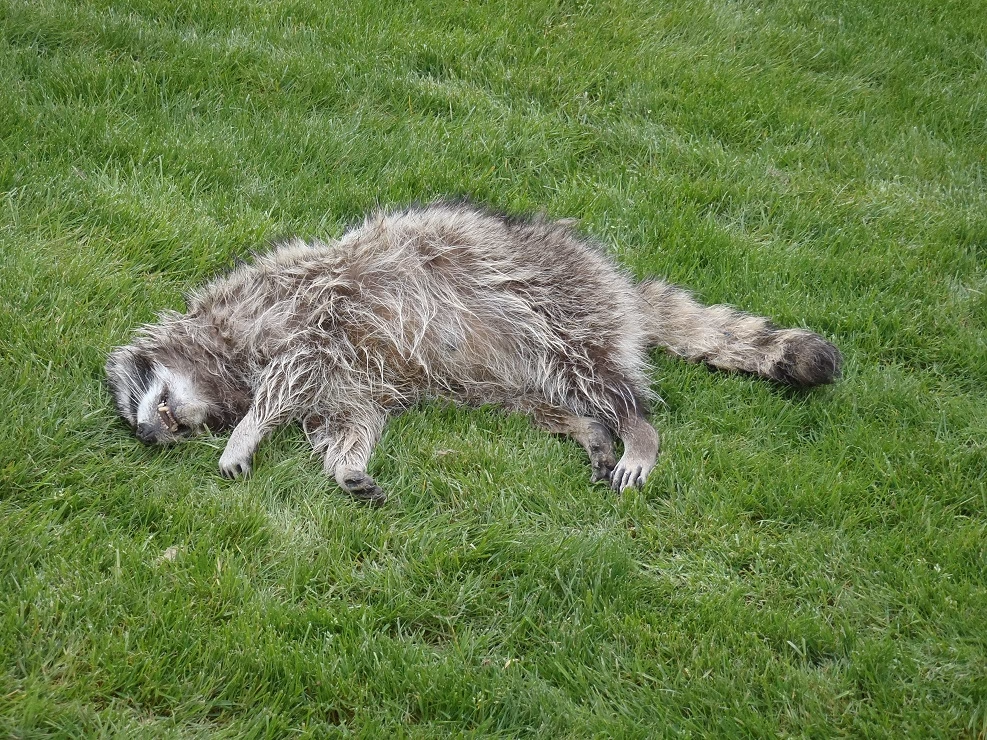
We had a dead feral cat in our backyard. We called the county and were told that they would forward it to a contractor. Three days passed and we HAD to get rid of the smelly dead cat. Wildout gave us a decent price to remove it, was very professional, and we will definitely call them again if we ever have another dead feral cat although we pray we won't.
Joe Figueroa is professional, pleasant, and calming! He communicates about his arrival times & if his schedule is altered (due to helping other customers). He educates about the situation & helps to find the best solutions for creatures and humans. (We were dealing with snakes & other rodents.) He cares about the details of his work and looks for ways to help save money. He's a gem!


We have used Wildout for 3+ years. The service provided is exceptional with very knowledgeable technicians Who are always willing to listen and problem solve. They are prompt in maintaining schedule and notifying you of any changes to your property’s care. Professionalism and Service at its best!
Great Company! Quick to respond to our calls and messages. Came out to assess the situation the next day after calling them. Very professional, friendly and answered all of our concerns. We would highly recommend WILDOUT!!
Such great service and communication. Cruz was able to help same day and the process was super easy. Thanks Wildout!
Oren was excellent ! The customer service should be able to exceed 5 stars on any rating. Oren represented Wildout with top class professionalism and a wonderful, thoughtful personality. We would highly recommend Wildout if you think you have any issues regarding pests in or around your home. Many Thanks The Smiles Family
We were very pleased with the service from Wildout. The technician arrived on short notice, was very courteous and professional, and spent ample time diagnosing our problems. He came up with a comprehensive treatment plan which we will engage him to complete.
Cruz did a good job listening and addressing our concerns. Very professional and personable. Will use again.
Wildout Animal & Pest Removal provided excellent service! Joe completed the initial inspection, assessment and detailed the plan of action with me for the wildlife removal. The plan and treatment proved to be very effective and monthly monitoring was added for ongoing protection! I highly recommend this company for wildlife removal.
Very honest assessment. Oren was very friendly and thoroughly explained his findings to me. Will definitely contact Wildout again if I need help with wildlife in the future.
Called them on a Friday and they came out on Monday to get us taken care of. We had squirrels that are getting into our attic / roof along the fascia. They fixed a few other spots that could be entry point and set traps to catch them. Over all Owen explained everything very thoroughly and got I work right away. Highly recommend them when you have anything wildlife related
We were having a problem with squirrels in our attic. Matt came out promptly and assessed the situation. He discovered where they were entering and sealed the areas off on his first visit. We are very happy with the results of his work and highly recommend the service of Wildout Animal & Pest removal
We were hearing noises under our house, Joe came out and was very professional and answered all our questions about the process, I would recommend this company if you have any wildlife problem.




We have used Wildout for 3+ years. The service provided is exceptional with very knowledgeable technicians Who are always willing to listen and problem solve. They are prompt in maintaining schedule and notifying you of any changes to your property’s care. Professionalism and Service at its best!
Great Company! Quick to respond to our calls and messages. Came out to assess the situation the next day after calling them. Very professional, friendly and answered all of our concerns. We would highly recommend WILDOUT!!
Such great service and communication. Cruz was able to help same day and the process was super easy. Thanks Wildout!
Oren was excellent ! The customer service should be able to exceed 5 stars on any rating. Oren represented Wildout with top class professionalism and a wonderful, thoughtful personality. We would highly recommend Wildout if you think you have any issues regarding pests in or around your home. Many Thanks The Smiles Family
We were very pleased with the service from Wildout. The technician arrived on short notice, was very courteous and professional, and spent ample time diagnosing our problems. He came up with a comprehensive treatment plan which we will engage him to complete.
Cruz did a good job listening and addressing our concerns. Very professional and personable. Will use again.
Wildout Animal & Pest Removal provided excellent service! Joe completed the initial inspection, assessment and detailed the plan of action with me for the wildlife removal. The plan and treatment proved to be very effective and monthly monitoring was added for ongoing protection! I highly recommend this company for wildlife removal.
Very honest assessment. Oren was very friendly and thoroughly explained his findings to me. Will definitely contact Wildout again if I need help with wildlife in the future.
Called them on a Friday and they came out on Monday to get us taken care of. We had squirrels that are getting into our attic / roof along the fascia. They fixed a few other spots that could be entry point and set traps to catch them. Over all Owen explained everything very thoroughly and got I work right away. Highly recommend them when you have anything wildlife related
We were having a problem with squirrels in our attic. Matt came out promptly and assessed the situation. He discovered where they were entering and sealed the areas off on his first visit. We are very happy with the results of his work and highly recommend the service of Wildout Animal & Pest removal
We were hearing noises under our house, Joe came out and was very professional and answered all our questions about the process, I would recommend this company if you have any wildlife problem.
Oren is always great to work. He laid out a remediation plan and was open and honest about pricing. Can wait to have my trouble sone raccoons removed!
We had the most persistent raccoon in our attic. But, Oren stuck with it and two adult raccoons, three possums and four baby raccoons later we finally had the situation until control! I’m so thankful he never gave up!!!!!
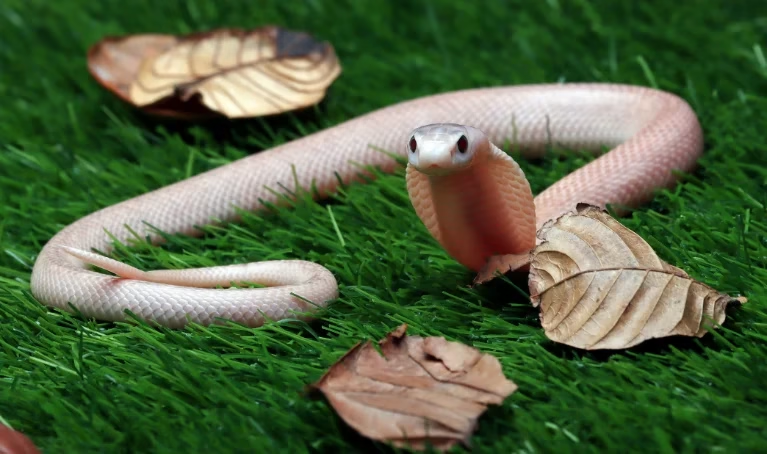
I had a black racer snake inside my lanai cage. It slide under the screen door, I guess. I called late on a Friday afternoon and an hour later, he had bagged it and taken it to a safe place. I was afraid I'd have it all weekend and not be able to go outside
The team was extremely efficient, safe and professional. They safely removed a very large and aggressive raccoon from our facility. Their teamwork and timing was extremely impressive. These guys are the ones to call.
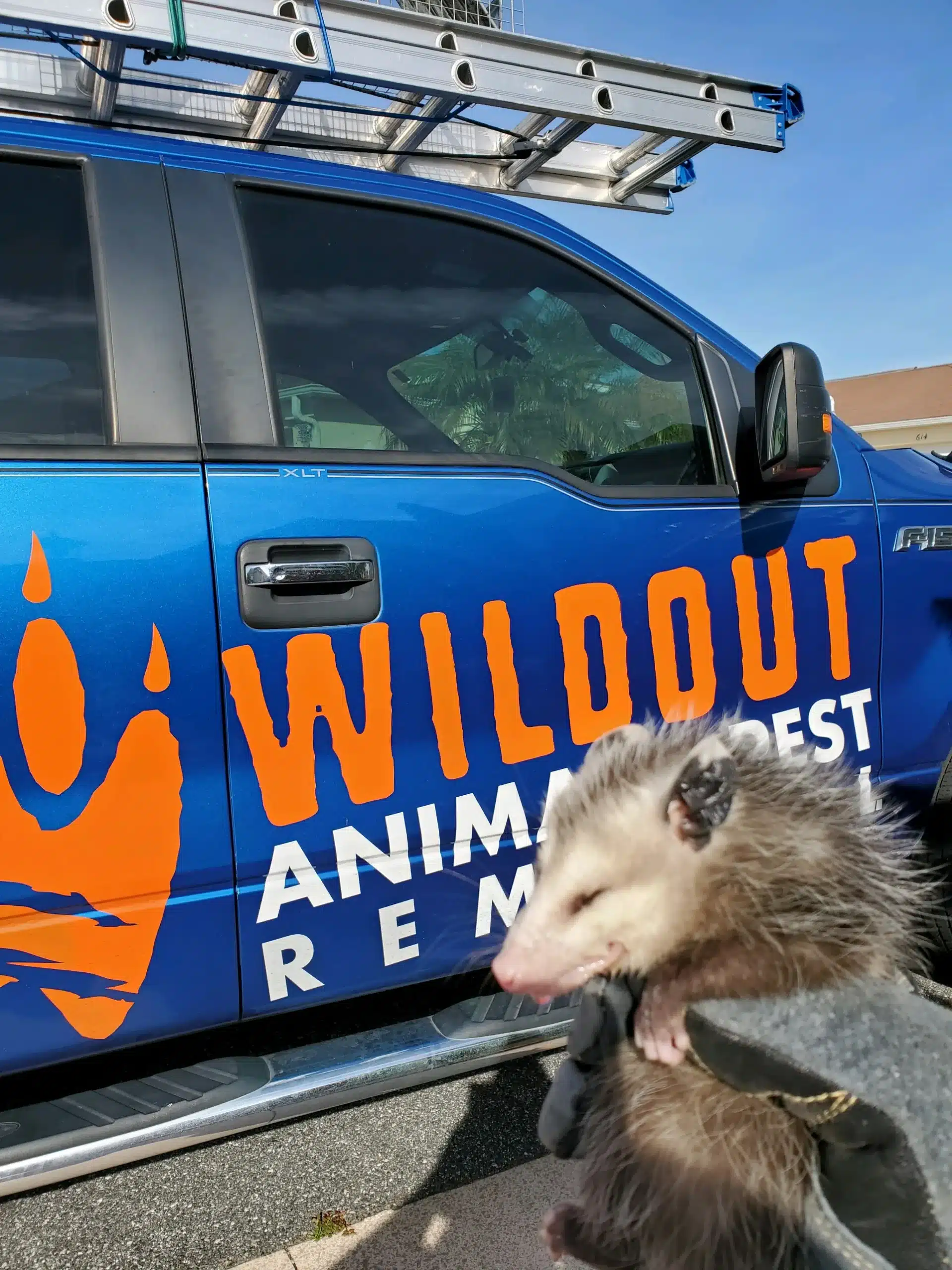
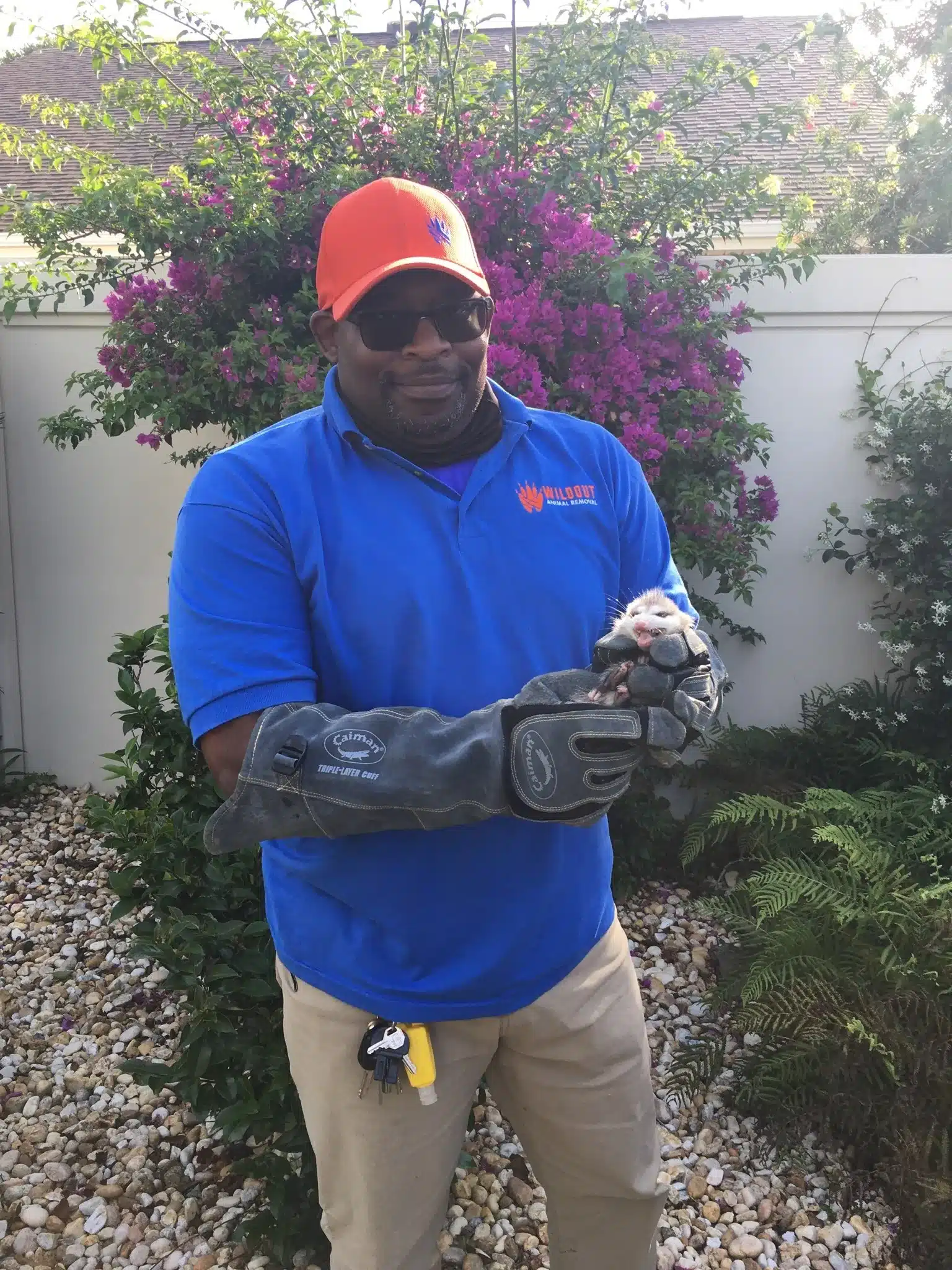
Oren was very helpful during my call. I had a opposum in my garage. He was able to come the same day and address the issue. Was able to catch a small opposum within two days. Oren also picked up the trap the following day. Great service!
FANTASTIC service from Chris and Matt. I called for a squirrel that was hanging out in my attic. I had an appointment next day. They gave a reasonable quote and addressed all my needs, some of which I was going to try to DIY myself down the road. I highly recommend.
Brent is very professional and friendly! Efficient and informative. Great dealing with him.

Wildlife does not travel alone. The wild is not completely out until the fleas, ticks, mites, viruses, bacteria, & smells that came with you nuisance animal are eliminated. Pest Control and animal removal go hand in hand. We get all the wild out.

Animal and pest removal is just the beginning. Wildout Animal & Pest Removal will fix any damage and prevent future entry with our warranty-backed critter eviction packages. The wild does not treat your property with respect, but we always do. We keep the wild out.

At Wildout, we practice humane animal & pest removal from residential and commercial properties. We act with urgency to minimize stress for our customers and the animals.







We were having a problem with squirrels in our attic. Matt came out promptly and assessed the situation. He discovered where they were entering and sealed the areas off on his first visit. We are very happy with the results of his work and highly recommend the service of Wildout Animal & Pest removal
We were hearing noises under our house, Joe came out and was very professional and answered all our questions about the process, I would recommend this company if you have any wildlife problem.
Oren is always great to work. He laid out a remediation plan and was open and honest about pricing. Can wait to have my trouble sone raccoons removed!
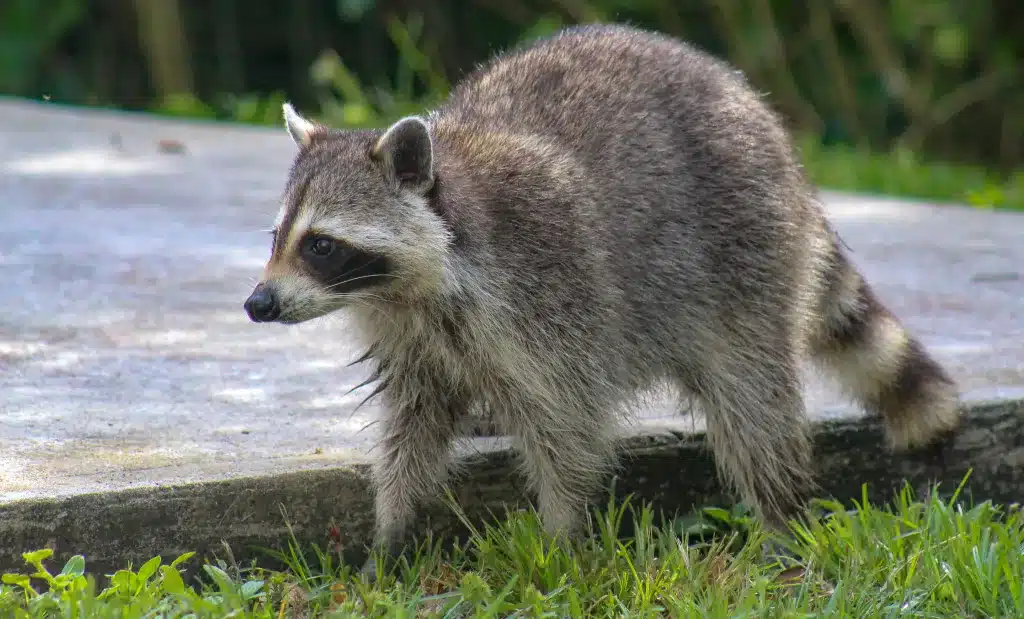
We had the most persistent raccoon in our attic. But, Oren stuck with it and two adult raccoons, three possums and four baby raccoons later we finally had the situation until control! I’m so thankful he never gave up!!!!!
I had a black racer snake inside my lanai cage. It slide under the screen door, I guess. I called late on a Friday afternoon and an hour later, he had bagged it and taken it to a safe place. I was afraid I'd have it all weekend and not be able to go outside
The team was extremely efficient, safe and professional. They safely removed a very large and aggressive raccoon from our facility. Their teamwork and timing was extremely impressive. These guys are the ones to call.
Oren was very helpful during my call. I had a opposum in my garage. He was able to come the same day and address the issue. Was able to catch a small opposum within two days. Oren also picked up the trap the following day. Great service!
FANTASTIC service from Chris and Matt. I called for a squirrel that was hanging out in my attic. I had an appointment next day. They gave a reasonable quote and addressed all my needs, some of which I was going to try to DIY myself down the road. I highly recommend.
Brent is very professional and friendly! Efficient and informative. Great dealing with him.

At Wildout Animal & Pest Removal, we provide service to get rid rats faster. Effective rat removal requires a five-step process that will lead to resolving the current problem, preventing future problems, and returning the home or business to a better than new condition.
Animal and pest removal is just the beginning. Wildout Animal & Pest Removal will fix any damage and prevent future entry with our warranty-backed critter eviction packages. The wild does not treat your property with respect, but we always do. We keep the wild out.
Wildlife does not travel alone. The wild is not completely out until the fleas, ticks, mites, viruses, bacteria, & smells that came with you nuisance animal are eliminated. Pest Control and animal removal go hand in hand. We get all the wild out.
At Wildout, we practice humane animal & pest removal from residential and commercial properties. We act with urgency to minimize stress for our customers and the animals.


We have used Wildout for 3+ years. The service provided is exceptional with very knowledgeable technicians Who are always willing to listen and problem solve. They are prompt in maintaining schedule and notifying you of any changes to your property’s care. Professionalism and Service at its best!
Great Company! Quick to respond to our calls and messages. Came out to assess the situation the next day after calling them. Very professional, friendly and answered all of our concerns. We would highly recommend WILDOUT!!
Such great service and communication. Cruz was able to help same day and the process was super easy. Thanks Wildout!
Oren was excellent ! The customer service should be able to exceed 5 stars on any rating. Oren represented Wildout with top class professionalism and a wonderful, thoughtful personality. We would highly recommend Wildout if you think you have any issues regarding pests in or around your home. Many Thanks The Smiles Family
We were very pleased with the service from Wildout. The technician arrived on short notice, was very courteous and professional, and spent ample time diagnosing our problems. He came up with a comprehensive treatment plan which we will engage him to complete.
Cruz did a good job listening and addressing our concerns. Very professional and personable. Will use again.
Wildout Animal & Pest Removal provided excellent service! Joe completed the initial inspection, assessment and detailed the plan of action with me for the wildlife removal. The plan and treatment proved to be very effective and monthly monitoring was added for ongoing protection! I highly recommend this company for wildlife removal.
Very honest assessment. Oren was very friendly and thoroughly explained his findings to me. Will definitely contact Wildout again if I need help with wildlife in the future.
Called them on a Friday and they came out on Monday to get us taken care of. We had squirrels that are getting into our attic / roof along the fascia. They fixed a few other spots that could be entry point and set traps to catch them. Over all Owen explained everything very thoroughly and got I work right away. Highly recommend them when you have anything wildlife related
We were having a problem with squirrels in our attic. Matt came out promptly and assessed the situation. He discovered where they were entering and sealed the areas off on his first visit. We are very happy with the results of his work and highly recommend the service of Wildout Animal & Pest removal
We were hearing noises under our house, Joe came out and was very professional and answered all our questions about the process, I would recommend this company if you have any wildlife problem.
Oren is always great to work. He laid out a remediation plan and was open and honest about pricing. Can wait to have my trouble sone raccoons removed!
We had the most persistent raccoon in our attic. But, Oren stuck with it and two adult raccoons, three possums and four baby raccoons later we finally had the situation until control! I’m so thankful he never gave up!!!!!
I had a black racer snake inside my lanai cage. It slide under the screen door, I guess. I called late on a Friday afternoon and an hour later, he had bagged it and taken it to a safe place. I was afraid I'd have it all weekend and not be able to go outside
The team was extremely efficient, safe and professional. They safely removed a very large and aggressive raccoon from our facility. Their teamwork and timing was extremely impressive. These guys are the ones to call.
Oren was very helpful during my call. I had a opposum in my garage. He was able to come the same day and address the issue. Was able to catch a small opposum within two days. Oren also picked up the trap the following day. Great service!
FANTASTIC service from Chris and Matt. I called for a squirrel that was hanging out in my attic. I had an appointment next day. They gave a reasonable quote and addressed all my needs, some of which I was going to try to DIY myself down the road. I highly recommend.
Brent is very professional and friendly! Efficient and informative. Great dealing with him.