
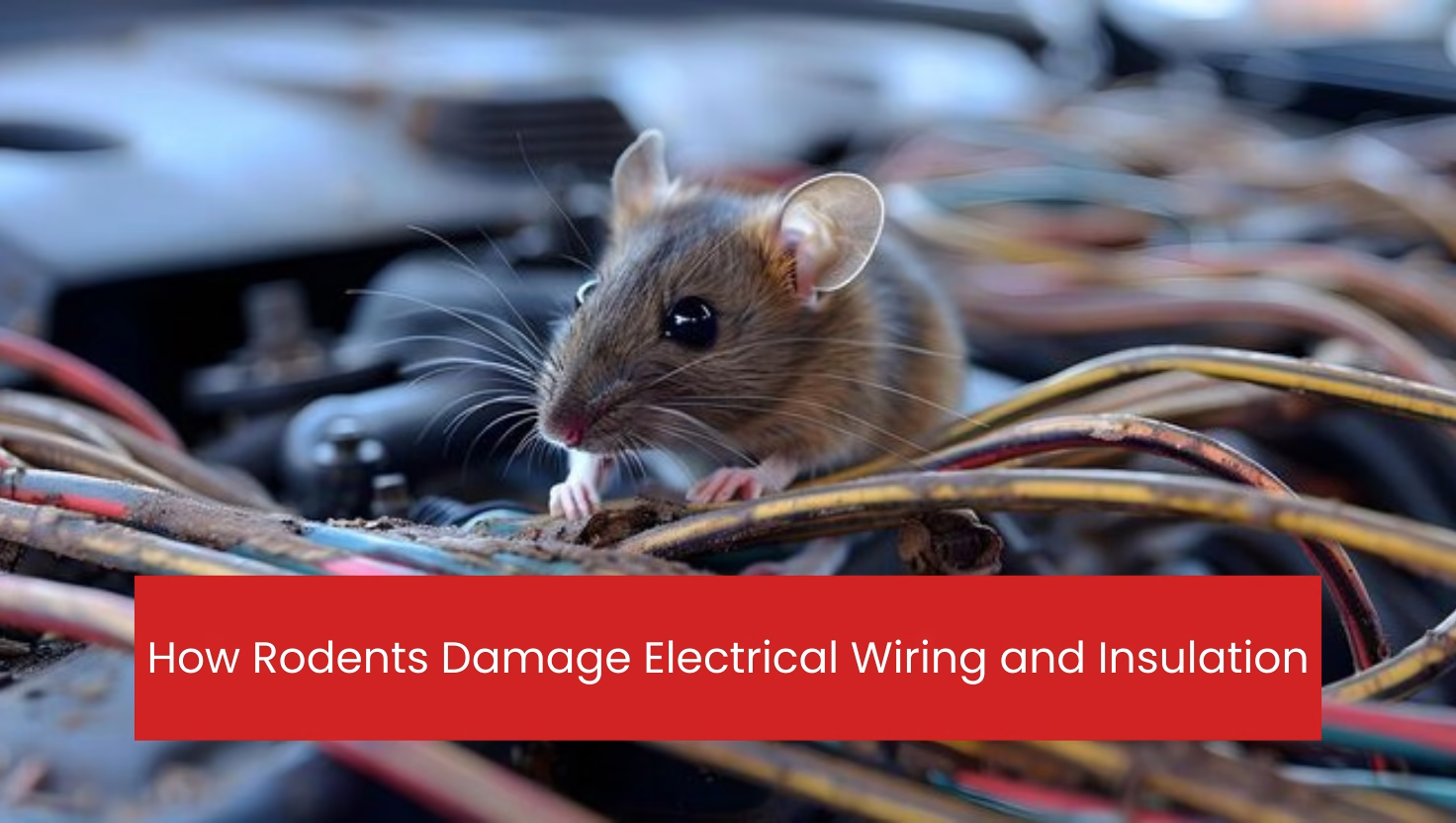
Rodents may be small, but the damage they cause to your home can be huge, especially when it comes to your electrical wiring and insulation. Mice, rats, and squirrels often sneak into walls, attics, and basements, chewing through wires and ripping up insulation for nesting. This can lead to short circuits, fire hazards, power failures, and expensive repairs. In this guide, we’ll explain how rodents damage electrical wiring and insulation, what signs to look for, and—most importantly—how to prevent it from happening in your home.
Why Rodents Chew Wires and Insulation?
Rodents chew constantly because their teeth never stop growing. Chewing on wires helps them keep their teeth trimmed and sharp. In addition, insulation provides them with soft, warm nesting material, making it an ideal target. Your attic, garage, or walls can become prime real estate for rodents looking to settle down, especially in colder seasons. Unfortunately, this behaviour can create serious risks for your electrical system and the overall safety of your home.
Signs That Rodents Are Damaging Your Electrical System
- Flickering lights or random power outages
- Burnt smells near outlets or appliances
- Chewed or frayed wires behind walls or under cabinets
- Rodent droppings near wiring, fuse boxes, or insulation
- Scratching or scampering noises in the walls or ceilings
- Bite marks on plastic wire coverings or insulation foam
How to Prevent Rodents from Damaging Wiring and Insulation
1. Seal Entry Points
Use steel wool, caulk, or mesh to seal holes and cracks around pipes, vents, and wall gaps. Rodents only need a ½-inch space to squeeze in. Inspect all entry zones regularly, especially around utility lines, basement windows, and attic vents, where rodents often enter unnoticed. Recheck seasonal changes like heavy rain or snow that can create new gaps and hidden access points for pests.
Also Read: Deadliest Diseases Rodents Carry
2. Remove Food Sources
Keep your kitchen, garage, and pantry free of crumbs and open food packages. Rodents are attracted to easy meals. Store dry foods in sealed containers, clean pet bowls nightly, and avoid leaving trash uncovered, especially overnight when rodents are most active. Also, sweep under appliances and avoid leaving birdseed or pet food in outdoor spaces, which can attract rodents quickly.
3. Use Rodent-Resistant Insulation
Install spray foam or closed-cell insulation types that are harder for rodents to chew through. Avoid fibreglass insulation, which is easy for rodents to tear apart for nesting. Consider insulation types treated with rodent repellents for extra protection. Always install insulation with secure vapor barriers and inspect attic and wall areas yearly for any signs of nesting or chewing damage.
Also Like: How to Get Rid of Rodents in the Wall
4. Protect Wiring with Conduits
Cover exposed wiring in metal or PVC conduits—especially in garages, basements, and attics. Rodents target unprotected cables, so reinforcing areas behind walls and appliances can prevent hidden electrical damage and reduce fire risk. Consider adding extra protection near HVAC systems, fuse boxes, and crawl spaces where wiring is exposed and rodents are most active.
Helpful for you: How to Avoid Rodent Infestation in Apartment Buildings
5. Trim Vegetation Near Your Home
Branches and shrubs can act like ladders for rodents. Keep them trimmed away from rooflines and vents. Also, clear ground-level clutter like wood piles or leaf heaps that rodents use for hiding and nesting close to your foundation. Regularly mow tall grass and install gravel borders to discourage burrowing near walls or basement foundations.
6. Install Traps or Hire Pest Control
Set traps or bait stations in high-risk areas. For severe cases, call licensed rodent control experts. Professionals can identify hidden nests, entry points, and damage, providing a long-term solution that DIY efforts often miss. Use a mix of snap traps, electronic traps, and sealed bait stations, and check them daily for activity and safety concerns.
7. Regularly Inspect Attics and Crawlspaces
Attics and crawlspaces are common areas where rodents hide and chew on wiring or insulation. Regular inspections help detect early signs of gnawing, droppings, or nesting materials. Catching damage early prevents costly repairs and reduces the risk of electrical fires. Maintaining a routine inspection schedule ensures you can act before rodents cause significant harm.
8. Store Materials Off the Ground
Rodents often target cardboard boxes, insulation scraps, and other materials stored directly on the floor. Elevating storage items on shelves or pallets makes them less accessible to mice and rats. This reduces the chances of rodents nesting near electrical wiring or insulation. Keeping storage organised also allows for easier monitoring of potential rodent activity.
9. Use Essential Oils or Natural Deterrents
Certain essential oils, like peppermint or eucalyptus, can repel rodents when applied near wiring and insulation areas. Their strong scents disrupt rodents’ navigation and discourage them from entering key spaces. While not a standalone solution, combining natural deterrents with physical barriers and traps enhances overall protection. Regular reapplication ensures the scent remains effective in keeping rodents at bay.
Must Read: How to Get Rid of Rodents
10. Maintain a Clean and Clutter-Free Environment
Cluttered areas provide rodents with hiding spots and easy access to electrical wiring and insulation. Keeping basements, attics, and garages tidy reduces potential nesting sites and discourages rodent infestations. Removing debris, old papers, and unused items limits opportunities for damage. A clean environment also makes it easier to spot early signs of rodent activity before serious damage occurs.
Signs of Rodent Damage to Electrical Wiring and Insulation
- Discoloured outlets or scorched marks on sockets
- Unusual behaviour in appliances
- Sudden spike in electricity bills
- Visible nesting material near wiring
- Dead rodents near fuse boxes or in attic spaces
When to Call Professional Rodent Control Services
If you spot chewed wires, flickering lights, or droppings near outlets, it’s time to call rodent control services. These signs often mean serious hidden damage that DIY methods can’t fix. Professionals can locate nests, seal entry points, and work with electricians to safely repair wiring and insulation. For lasting protection and peace of mind, it’s best to let experts handle rodent problems early.
Conclusion
Understanding how rodents damage electrical wiring and insulation is key to protecting your home from fires, outages, and expensive repairs. These pests don’t just chew—they destroy. But with early detection and smart prevention, you can keep your wires safe and your home rodent-free. Don’t wait until the lights flicker or a fire starts. Act now to secure your insulation, seal off entry points, and stop rodents in their tracks. Regular inspections and maintenance further reduce risks, ensuring your home stays safe and functional year-round. Taking proactive steps today prevents costly problems tomorrow.
FAQs
Why do rodents chew electrical wires?
Rodents chew constantly to keep their teeth from overgrowing. Wires offer just the right texture and resistance.
Can rodent-damaged wiring cause fires?
Yes. Chewed wires can spark, short-circuit, and start house fires, especially in attics and wall voids.
What type of insulation is rodent-proof?
Closed-cell spray foam and mineral wool are harder for rodents to chew through than fiberglass or batt insulation.
What are the most common places rodents damage wiring?
Attics, crawl spaces, walls, garages, and behind kitchen appliances
Who should I call for rodent damage repair?
Call a licensed electrician for wiring damage and a pest control expert for inspection and rodent removal.