
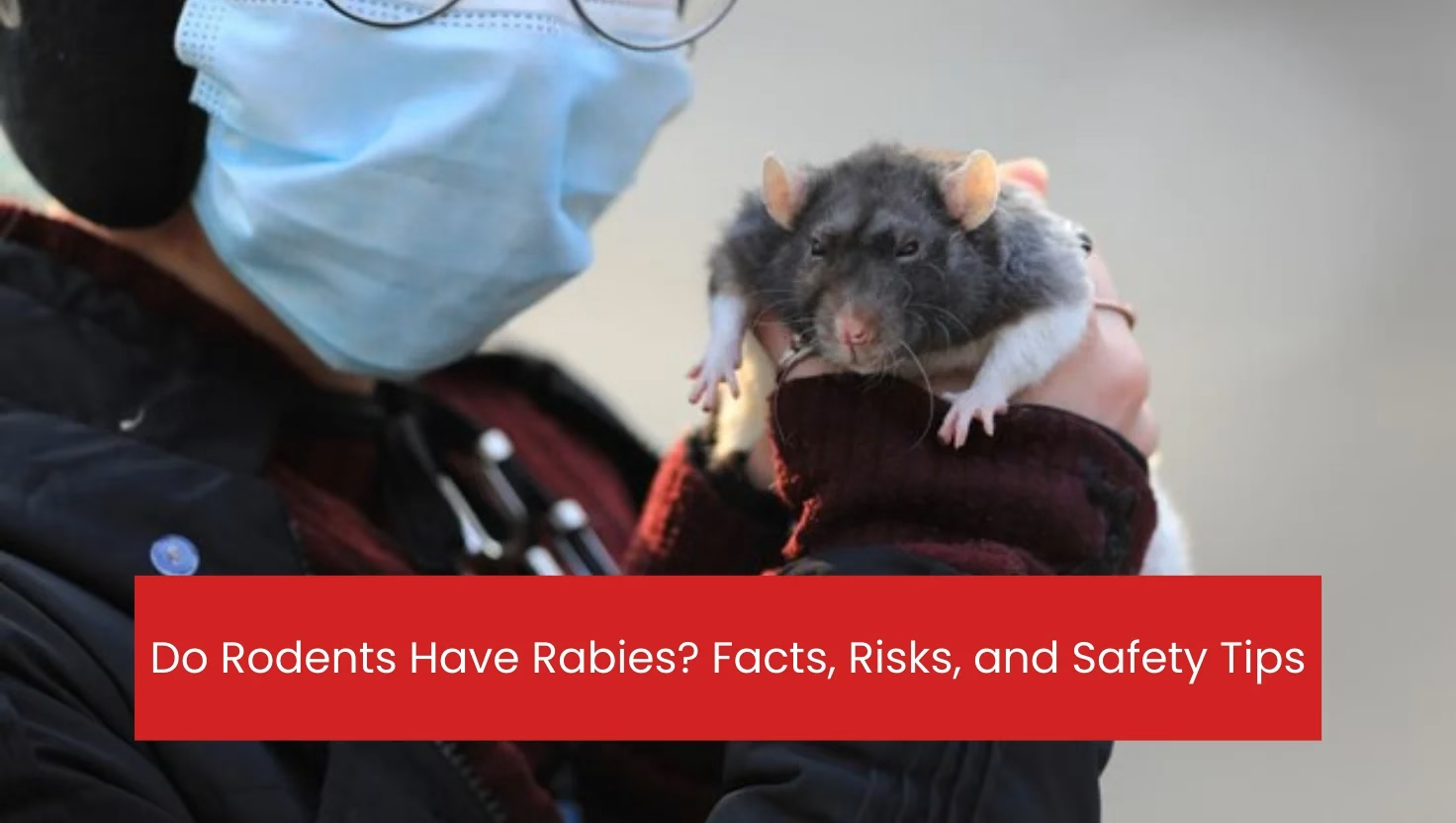
Rodents are among the most common mammals encountered in daily life, whether as wild animals like mice, rats, and squirrels, or as beloved pets such as hamsters and guinea pigs. Naturally, many people worry about the diseases these small creatures might carry, with rabies being one of the most feared. Rabies is a deadly viral infection that affects the nervous system and can be transmitted to humans and pets through bites from infected animals. While bats, raccoons, foxes, and skunks are known rabies carriers, rodents are extremely unlikely to transmit the disease. Despite this low risk, understanding the facts about rodents, their behaviour, and potential exposure to rabies is important for protecting yourself, your family, and your pets.
What is Rabies?
Rabies is a viral disease that attacks the nervous system and is almost always fatal once symptoms appear. It can affect all mammals, including humans, and is most commonly transmitted through the bite of an infected animal. Symptoms in animals include excessive drooling, aggression, paralysis, and unusual behaviour. In humans, early symptoms include fever, headache, and tingling at the bite site, progressing to severe neurological symptoms if untreated. The animals most commonly carrying rabies are bats, raccoons, skunks, and foxes. Rodents, however, are rarely carriers, which makes bites from them much less of a concern for rabies transmission.
Do Rodents Have Rabies?
Rodents are everywhere—whether it’s mice in your attic, squirrels in the backyard, or hamsters in your home. Naturally, many people wonder: can rodents carry rabies? The good news is that rabies in rodents is extremely rare. While rabies is a deadly virus that affects mammals, rodents almost never spread it to humans or pets. Understanding the behaviour and health risks of these small animals can help you make safer choices for your family and pets. This blog will break down the facts, risks, and safety tips so you can stay informed and protected.
Understanding the Risks of Rodents and Rabies
1. Common Rodent Species
Rodents include mice, rats, squirrels, hamsters, and guinea pigs, which are found in both wild and domestic settings. Wild rodents like mice and squirrels are more likely to come into contact with other wildlife and natural habitats, while pet rodents live in controlled environments with minimal disease exposure and routine care. Knowing the type of rodents around you helps assess potential risks and allows for better preventive measures in homes and outdoor areas.
2. How Susceptible Are Rodents to Rabies?
Rodents are biologically less likely to contract rabies compared to larger mammals. Their small size, rapid metabolism, and high predation rates mean they often succumb to other threats before rabies can fully develop. Additionally, rodents have resilient immune systems that respond quickly to infections, further reducing the likelihood of developing the disease. These factors collectively explain why documented cases of rabies in rodents are exceedingly rare, making them a low-risk species for this particular virus.
Must Read: Do Rodent Repellents Work
3. Rodent Behaviour and Potential Exposure
Most rodents are nocturnal, secretive, and actively avoid larger predators or potentially infected animals. This behaviour naturally reduces their chance of encountering rabid mammals in the wild. They also tend to live in burrows, trees, or hidden areas, further limiting exposure. Their cautious and survival-driven habits, combined with their small size, make direct interactions with rabid wildlife uncommon, which is why rabies transmission through rodents is extremely rare and not a major public health concern.
4. Rare Cases of Rabies in Rodents
While extremely rare, there have been occasional reports of rabies in wild rodents. Scientific studies confirm that these cases are the exception rather than the rule, and they rarely lead to secondary infections. To date, no widespread outbreaks of rabies have been linked to rodents, highlighting that they are not significant carriers of the virus. These rare instances emphasise that, although possible, the probability of rodents spreading rabies to humans or pets is extremely low and should not cause panic.
5. Signs of Rabies in Rodents
Rodents that contract rabies may exhibit symptoms such as increased aggression, paralysis, unusual behaviour, or loss of coordination. However, due to their short lifespan and the virus’s fast progression, these signs often go unnoticed before the rodent dies naturally. Observing rabies in rodents is extremely uncommon, which explains why public health authorities consider them low-risk carriers. Awareness of these rare symptoms can help identify unusual cases and encourage safe handling practices if wild rodents behave unusually.
Helpful For You: How to Get Rid of Rodents
6. Can Rodents Bite Humans?
Rodents are capable of biting humans, but the risk of transmitting rabies through such bites is negligible. More commonly, bites may introduce harmful bacteria into the wound, potentially causing infections or other complications. Prompt cleaning with soap and water, followed by applying antiseptic, is essential. Seeking medical advice for deep bites or wounds on vulnerable individuals, such as children or uncompromising people, ensures proper care. Understanding bite risks helps reduce unnecessary fear while maintaining safety.
7. Risk to Pets
Pets such as cats and dogs are rarely at risk from rodent bites. However, outdoor pets may occasionally encounter wildlife, including raccoons, bats, or other rabies carriers. Ensuring that pets are up-to-date with vaccinations, supervising outdoor activity, and minimising interactions with wild animals are effective ways to keep them safe. Even though rodents themselves rarely transmit rabies, protecting pets from potential indirect exposure to infected wildlife is an important preventive measure for responsible pet ownership.
8. Other Diseases Rodents Can Carry
Rodents are more likely to carry other diseases that pose a greater risk than rabies. Hantavirus can be transmitted through urine, droppings, or saliva. Leptospirosis can infect both humans and pets if exposed to contaminated water or soil. Salmonella may cause severe digestive infections, and in rare historical cases, rats transmitted plague. Avoiding direct contact, maintaining hygiene, and pest-proofing homes are crucial strategies. Awareness of these common rodent-borne illnesses is far more important for health than the extremely low risk of rabies.
Also Read: Lagomorphs vs Rodents
9. Myths and Misconceptions About Rodents and Rabies
Many myths suggest that all wild rodents are rabid, causing unnecessary panic among homeowners and pet owners. In reality, rodents almost never carry rabies, and the virus is far more common in bats, raccoons, skunks, and foxes. Misinformation can lead to fear-driven decisions, such as harming harmless wildlife or overreacting to minor bites. Relying on scientific research, official public health guidance, and verified data helps people make informed choices about rodent control and personal safety.
10. How to Stay Safe Around Rodents
To reduce potential risks, seal entry points in your home and maintain clean living areas to prevent rodent infestations. Avoid handling wild rodents directly, keep food securely sealed, and manage trash properly. For pets, ensure vaccinations are up-to-date and supervise outdoor activity. Using proper pest control methods, maintaining hygiene, and educating family members about safe practices can significantly reduce exposure to rodent-borne diseases and provide peace of mind without unnecessary fear.
What to Do if Bitten by a Rodent
If a rodent bites you, immediate care is key:
- Wash the wound with soap and warm water for at least 15 minutes.
- Apply an antiseptic or antibiotic ointment.
- Monitor for signs of infection such as redness, swelling, or pus.
- Consult a doctor for severe bites or if you’re unsure about your risk.
Even though rabies transmission from rodents is extremely rare, it’s better to take precautions.
Prevention Tips
- Keep your home and surroundings clean and rodent-free.
- Store food in sealed containers.
- Use traps or professional pest control if needed.
- Avoid direct contact with wild rodents.
- Vaccinate your pets and maintain regular veterinary care.
Conclusion
Rodents very rarely carry rabies. While it’s wise to avoid bites and practice safety, other rodent-borne diseases like hantavirus, leptospirosis, and salmonella are a more realistic concern. By keeping your home rodent-free, practising good hygiene, securing food properly, and protecting your pets with vaccinations and supervision, you can safely coexist with rodents without fear of rabies. Regular home inspections and prompt pest control measures further reduce any potential health risks. Staying informed about rodent behaviour and disease prevention ensures both your family and pets remain safe and healthy.
FAQs
Can squirrels get rabies?
Squirrels are extremely unlikely to carry rabies. Bites are low-risk, though they can transmit other infections.
Can pet hamsters or guinea pigs carry rabies?
Domestic rodents almost never carry rabies. Proper care and hygiene keep them safe.
What should I do if a wild rodent bites me?
Wash the wound with soap and water, apply antiseptic, and consult a doctor if needed.
Are rodents more dangerous than bats or raccoons for rabies?
No. Rodents rarely carry rabies. Bats, raccoons, skunks, and foxes are the main carriers.
How can I protect my pets from rodents and rabies?
Keep pets supervised outdoors, vaccinate them, avoid wild rodents, and maintain a rodent-free home.