
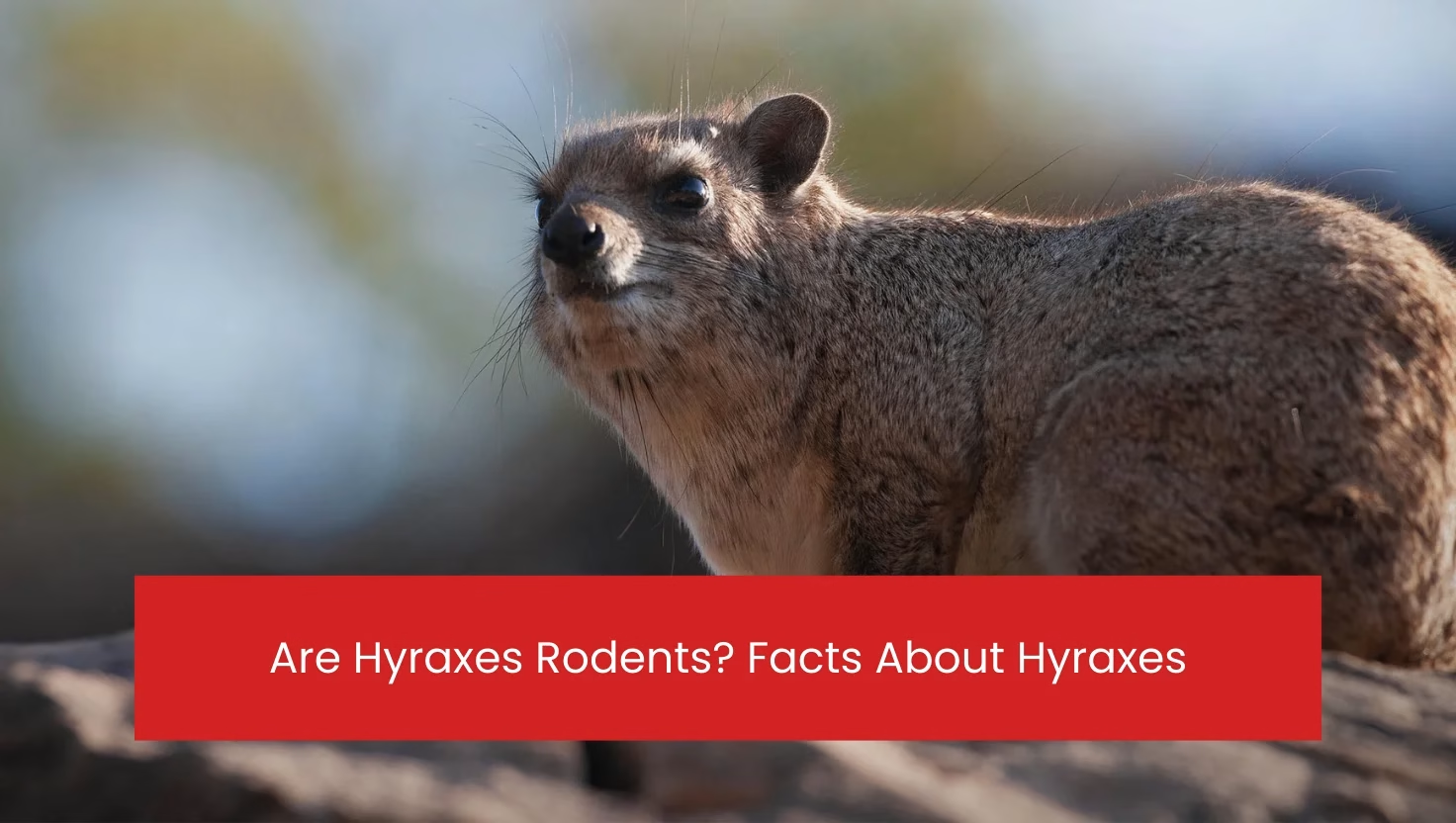
Hyraxes are small, furry mammals often mistaken for rodents because of their size, shape, and sharp teeth. Surprisingly, they are more closely related to elephants and manatees than to rodents, which makes them a fascinating subject for wildlife enthusiasts and researchers. Understanding hyraxes’ unique anatomy, behavior, and ecological role helps clarify misconceptions and highlights the diversity of mammalian evolution. In this blog, we will explore their classification, differences from rodents, behavior, diet, ecological importance, fun facts, and frequently asked questions.
What Are Hyraxes?
Hyraxes are small, herbivorous mammals that live primarily in Africa and parts of the Middle East. They have short, rounded bodies, tiny tails, padded feet, and short ears, which help them navigate rocky terrain and forested areas. Hyraxes are highly adaptable and can be found in rocky outcrops, forests, and savannas, depending on the species. Despite their rodent-like appearance, they possess traits that are unusual for small mammals, such as complex social structures and unique evolutionary links to much larger animals.
Are Hyraxes Rodents?
Hyraxes are small, furry mammals often mistaken for rodents due to their size and appearance. Many people assume they must be rodents because of their sharp teeth, compact bodies, and quick movements. However, hyraxes are a unique group of mammals with surprising relatives and characteristics that set them apart from rodents entirely. Understanding whether hyraxes are rodents is important for wildlife enthusiasts, students, and anyone curious about mammalian diversity. In this blog, we will explore hyrax biology, their differences from rodents, behaviour, ecological roles, and interesting facts that make these creatures so fascinating
Differences Between Hyraxes and Rodents
1. Taxonomic Family
Hyraxes belong to the order Hyracoidea, while rodents belong to the order Rodentia. This fundamental difference in classification shows that despite superficial similarities, hyraxes are not rodents. Their unique order reflects millions of years of independent evolution, emphasising their distinct anatomical, physiological, and ecological traits compared to true rodents. This classification helps scientists understand their evolutionary history and ecological niche.
2. Closest Relatives
Surprisingly, hyraxes are more closely related to elephants and manatees than to rodents. Genetic studies reveal this connection, highlighting their unique evolutionary lineage. This close relationship explains some shared features, such as complex teeth and specialised foot structures, which are very different from the characteristics seen in rodents. Understanding these connections reshapes our perception of mammalian evolution.
3. Dental Structure
Hyraxes have specialised teeth adapted to their herbivorous diet, including flattened molars for grinding leaves, fruits, and bark. Rodents, in contrast, have continuously growing incisors that require constant gnawing on hard materials. These dental differences reflect distinct diets, feeding behaviours, and evolutionary adaptations for survival in their respective environments. Dental health is crucial for hyraxes, as damaged teeth can affect their ability to feed efficiently.
Must Read: Are Squirrels Rodents
4. Digestive System
Hyraxes have a multi-chambered stomach that ferments tough plant fibres, allowing them to extract nutrients efficiently. Rodents generally have simpler digestive systems without specialised fermentation chambers. This digestive complexity allows hyraxes to survive on fibrous plants that many rodents cannot process, contributing to their ability to thrive in rocky and arid habitats. Efficient digestion also supports their social and reproductive activities.
5. Behaviour and Social Structure
Hyraxes are highly social and live in colonies, often sunbathing together to regulate body temperature and maintain social bonds. They communicate with complex vocalisations for warnings and interactions. Most rodents, however, are solitary or live in smaller family groups and have simpler calls, rarely exhibiting the advanced social cooperation seen in hyrax colonies. Social behaviours help hyraxes avoid predators and share resources effectively.
Helpful For You: Do Mothballs Keeps Rodents Away
6. Evolutionary Lineage
Hyraxes have an ancient evolutionary history, with fossil records dating back over 50 million years. Their morphology has changed little over time, unlike rodents, which evolved into thousands of diverse species. This stability indicates hyraxes are living fossils, maintaining traits that have allowed them to survive dramatic environmental changes while rodents diversified rapidly. Their evolutionary resilience is a testament to successful adaptation strategies.
7. Body Size and Shape
Hyraxes are stocky and compact with padded feet and short tails, making them excellent climbers and well-suited for rocky terrains. Rodents tend to be smaller, lighter, and more agile for burrowing or running, with longer tails in many species. These body differences also influence their movement, habitat preference, and predator avoidance strategies. The physical build of hyraxes supports both climbing and sunbathing behaviours essential for survival.
8. Lifespan
Hyraxes can live more than 10 years in the wild, benefiting from social protection and stable habitats. Most rodents, however, have significantly shorter lifespans, often just 1–3 years depending on the species. This difference affects reproduction rates, social structures, and survival strategies between the two groups of mammals. A longer lifespan allows hyraxes to invest in social learning and colony stability.
Also Read: Are Mice Rodents
9. Locomotion and Climbing Ability
Hyraxes are specialised climbers, moving easily over rocky cliffs and outcrops thanks to their padded feet and strong limbs. Rodents mostly scurry on flat ground or burrow, with only some tree-dwelling species capable of climbing. Hyrax climbing skills allow them to escape predators effectively and exploit habitats that rodents generally cannot access. These abilities also help them find food and maintain social bonds within colonies.
10. Vocalisations and Communication
Hyraxes use complex calls to alert colony members, establish territory, and reinforce social bonds. Rodent vocalisations are generally simpler and less socially complex, often limited to mating or alarm calls. Hyrax communication involves a variety of whistles, grunts, and calls, demonstrating sophisticated social awareness and cooperative behaviours absent in most rodent species. Their vocal repertoire strengthens colony cohesion and survival.
Fun Facts About Hyraxes
- Hyraxes can live over 10 years in the wild.
- Their teeth may resemble rodents’ at first glance but function very differently.
- They are excellent climbers, often found sunbathing on rocky outcrops.
- Hyraxes have complex vocalizations and maintain strong social hierarchies.
- Despite their size, they are surprisingly related to elephants and manatees.
Hyraxes in Ecosystems
Hyraxes play an important role in their ecosystems as herbivores, controlling vegetation growth and serving as prey for predators like eagles, leopards, and snakes. They contribute to seed dispersal through their feeding habits and influence nutrient cycling. Their presence affects the population and behaviour of both predators and plants, making them an integral part of African and Middle Eastern ecosystems. By maintaining healthy vegetation and supporting predator populations, hyraxes help sustain the balance and biodiversity of their habitats.
Conclusion
Hyraxes are not rodents but are fascinating, unique mammals with surprising relatives like elephants and manatees. Understanding the differences between hyraxes and rodents helps clarify misconceptions about these small creatures. Their behaviour, social structures, and ecological roles highlight the diversity of mammalian evolution. By learning more about hyraxes, we can appreciate their place in nature and the importance of conserving their habitats. Protecting these unique mammals ensures the survival of an ancient lineage and maintains the balance of the ecosystems they inhabit.
You may also like:
- Is a Raccoon a Rodent
- Is a Ferret a Rodent
- Is a Hamster a Rodent
- Are possums Rodents
- Is a Sugar Glider a Rodent?
- Are Otters Rodents?
FAQs
Are hyraxes rodents?
No. Hyraxes belong to the order Hyracoidea and are not related to rodents.
How are hyraxes related to elephants?
Genetic studies show hyraxes share a common ancestor with elephants and manatees, making them distant relatives.
Where do hyraxes live?
Hyraxes are found in Africa and the Middle East, inhabiting rocky outcrops, forests, and savannas.
What do hyraxes eat?
They are herbivores, feeding on leaves, fruits, and bark, and they often forage in groups.
Can hyraxes climb trees or rocks?
Yes, hyraxes are excellent climbers, especially on rocky cliffs and outcrops, aided by their padded feet and stocky bodies.