
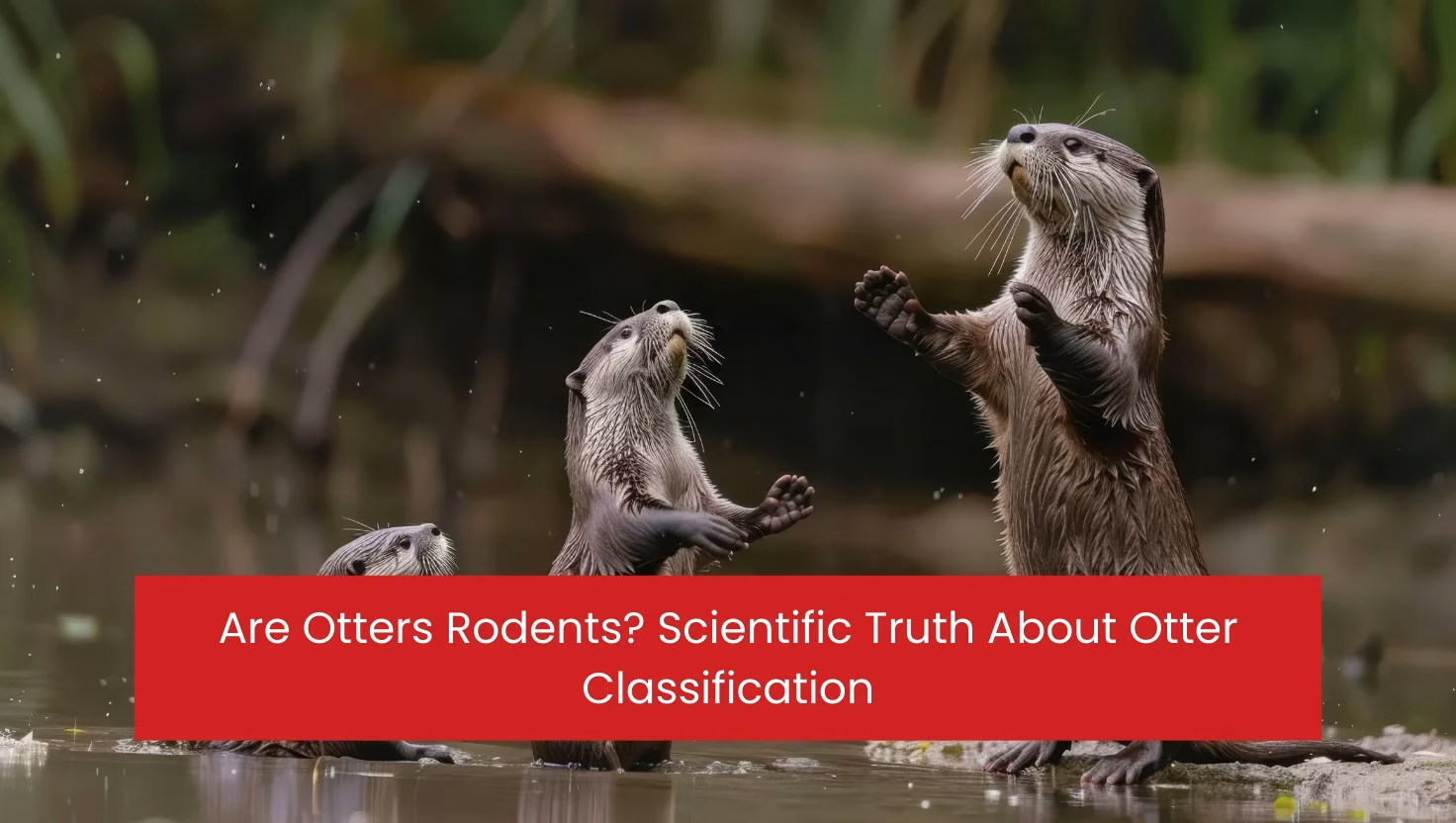
Many people see an otter and immediately associate it with rodents. Its small size, brown fur, streamlined body, and water-loving habits resemble animals like beavers, muskrats, or capybaras, which adds to the confusion. However, the answer is clear: otters are not rodents. They are mammals belonging to the Mustelidae family, with distinct teeth, diets, and behaviours. Unlike rodents, which have continuously growing incisors for gnawing, otters have sharp, pointed teeth for catching fish and other aquatic prey, highlighting their carnivorous nature and separate evolutionary lineage.
What Are Otters?
Otters are semi-aquatic mammals celebrated for their playful behaviour, intelligence, and strong swimming ability. They inhabit rivers, lakes, coastal waters, and wetlands across diverse regions of the world. Scientifically, otters belong to the Mustelidae family, which also includes weasels, ferrets, and badgers. As members of the carnivore group, otters are skilled hunters, feeding primarily on fish, crustaceans, and small aquatic animals, rather than plants. Their adaptations for swimming, hunting, and social play clearly distinguish them from rodents and other unrelated small mammals.
Key characteristics of otters include:
- Sleek, flexible bodies
- Webbed feet for swimming
- Thick waterproof fur
- Sharp teeth for catching prey
Their diet mainly consists of fish, frogs, crabs, and shellfish, showing their role as predators in aquatic ecosystems.
Are Otters Rodents?
No, otters are not rodents. Rodents are defined by their continuously growing front teeth used for gnawing and chewing plant material. Otters lack this specialised dentition; instead, they have sharp, pointed teeth designed for catching slippery prey like fish and tearing meat. Otters are carnivorous mammals, whereas rodents are primarily herbivores or omnivores. This clear difference in dentition, diet, digestive systems, and overall biology places otters and rodents in entirely separate animal groups, highlighting their distinct evolutionary paths.
Why Do People Think Otters Are Rodents?
1. Similar Body Shape
Otters and some rodents share long bodies and short legs, making them look alike from a distance. Both also have rounded torsos and a low posture when walking, which increases visual similarity, especially for people unfamiliar with wildlife classification. This similarity becomes stronger when animals are seen briefly or from far away in natural settings. In fast-moving outdoor scenes, small details that separate species are often missed by casual viewers. Human brains also simplify shapes, causing different animals with similar outlines to be grouped together.
2. Front Teeth Look Alike
When otters open their mouths, their visible teeth can resemble rodent incisors to untrained eyes. From far away, people may notice only the front teeth and miss the sharp carnivore molars behind them, leading to incorrect assumptions. Quick glances during feeding or yawning make this confusion even more likely. Poor lighting and distance further reduce the chance of noticing tooth shape differences. As a result, tooth structure is judged by appearance rather than biological function.
Must Read: Are Bats Rodents
3. Semi-Aquatic Lifestyle
Like beavers and muskrats, otters spend much of their time in water, creating a strong visual association with water rodents. Seeing them swim, dive, and surface regularly reinforces the belief that they belong to the same animal group. Repeated sightings in rivers and lakes strengthen this mistaken connection. People often classify animals by habitat rather than by biological traits. Water environments encourage people to assume shared ancestry among all animals living there.
4. Brown Fur Colour
Most otters have brown or dark fur, which is also common among rodents living near rivers and lakes. This shared colouring blends with muddy or grassy environments, making their overall appearance seem even more alike in natural habitats. Natural camouflage hides important physical differences from casual observers. As a result, colour becomes the main feature people use to identify them. Similar shades, combined with lighting, reflection, and wet fur texture, make otters appear related to rodents even when skeletal structure, diet, and reproductive traits clearly differ.
5. Swimming Behaviour
Otters float, dive, and swim in ways that look similar to aquatic rodents. Their habit of paddling with their bodies partly above water can resemble the movement of muskrats or beavers, increasing visual confusion for observers. Smooth gliding across the surface further strengthens this misleading impression. Water ripples and reflections can also distort body shape and movement. Movement patterns are often mistaken for signs of shared species type, especially by casual observers who rely on visual cues rather than anatomical or genetic evidence.
You may also like: How to Get Rid of Rodents in Wall
6. Size Comparison
Otters are close in size to large rodents, which adds to the confusion. When people compare them to animals like beavers or capybaras, they naturally assume otters belong to the same category due to similar body mass. Matching weight and length encourages people to group them incorrectly. Size often becomes a shortcut for identification instead of anatomy. Visual scale strongly influences how people classify unfamiliar animals, especially when detailed knowledge of teeth structure and diet is missing.
7. Public Mislabelling
On social media and in casual speech, people often use the word “rodent” to describe any small furry animal. This repeated misuse spreads incorrect information and reinforces the idea that otters belong to the rodent family. Over time, these mistakes become accepted as common knowledge. Online content without fact-checking makes the problem grow faster. Viral posts can spread wrong classifications to millions of viewers quickly, shaping public opinion and weakening accurate scientific understanding of wildlife and animal biology.
8. Lack of Wildlife Knowledge
Many people are unfamiliar with animal families and scientific classification. Without understanding biological groups, they rely on appearance alone, which leads them to group otters with rodents instead of recognising them as carnivorous mammals. Limited education about taxonomy plays a major role in this confusion. School-level exposure to animal classification is often very basic. This gap in knowledge encourages surface-level judgements about animal identity and reduces awareness of evolutionary relationships, ecological roles, and true biological differences.
Helpful For You: Is a Hamster a Rodent
9. Association With Beavers
Because both live near rivers and build dens near water, people often link otters with beavers. Shared habitats and frequent sightings in the same areas make it easy to assume they are closely related animals. Living side by side causes people to believe they belong to one group. Habitat overlap strongly influences human perception of species relationships. Proximity in nature is often mistaken for genetic connection, especially when behaviour and environment appear similar to casual observers.
10. Facial Structure Confusion
Rounded faces and whiskers can make otters resemble rodents at first glance. Their short snouts, small ears, and expressive eyes create a soft facial appearance that closely matches common rodent features in popular imagination. This cute look strongly influences how people identify them. Facial expressions often override deeper anatomical differences in human judgement. Visual charm can distract from scientific classification, leading to frequent mislabelling in media, education, and everyday wildlife observation.
Otters vs Rodents (Key Differences):
Otters and rodents differ in several important ways:
- Teeth: Otters have sharp carnivorous teeth; rodents have flat gnawing incisors.
- Diet: Otters eat fish and meat; rodents mainly eat plants or grains.
- Family: Otters belong to the weasel family; rodents belong to the rodent group.
- Behavior: Otters hunt; rodents gnaw and collect food.
- Movement: Otters are powerful swimmers; rodents are better climbers and burrowers.
These differences show that although they may look similar, their biology is very different.
Fun Facts About Otters
- Otters sometimes hold hands while sleeping to avoid drifting apart.
- They use rocks as tools to open shells.
- Otter fur is among the densest in the animal kingdom.
- They are highly social animals.
- Otters can close their ears and nostrils underwater.
You may also like:
Conclusion
Otters may look like rodents, but they are not rodents at all. They are carnivorous mammals related to weasels and badgers, belonging to the Mustelidae family. Their streamlined body shape, dense fur, and aquatic habits can cause confusion, yet their teeth, diet, and overall biology clearly distinguish them from rodents. Understanding these differences helps us appreciate how wildlife is scientifically classified, promotes conservation awareness, and fosters respect for natural ecosystems, biodiversity, and the delicate balance of rivers, wetlands, and coastal habitats worldwide.
FAQs
Are otters rodents or carnivores?
Otters are carnivorous mammals, not rodents.
Are otters related to rats?
No, otters are more closely related to weasels than rats.
Do otters have rodent teeth?
No, otters have sharp teeth designed for catching prey, not gnawing plants.
Can otters spread rabies like rodents?
Otters can carry rabies, but they are not rodents and have different risk patterns.
Are beavers and otters in the same family?
No, beavers are rodents while otters belong to the weasel family.