
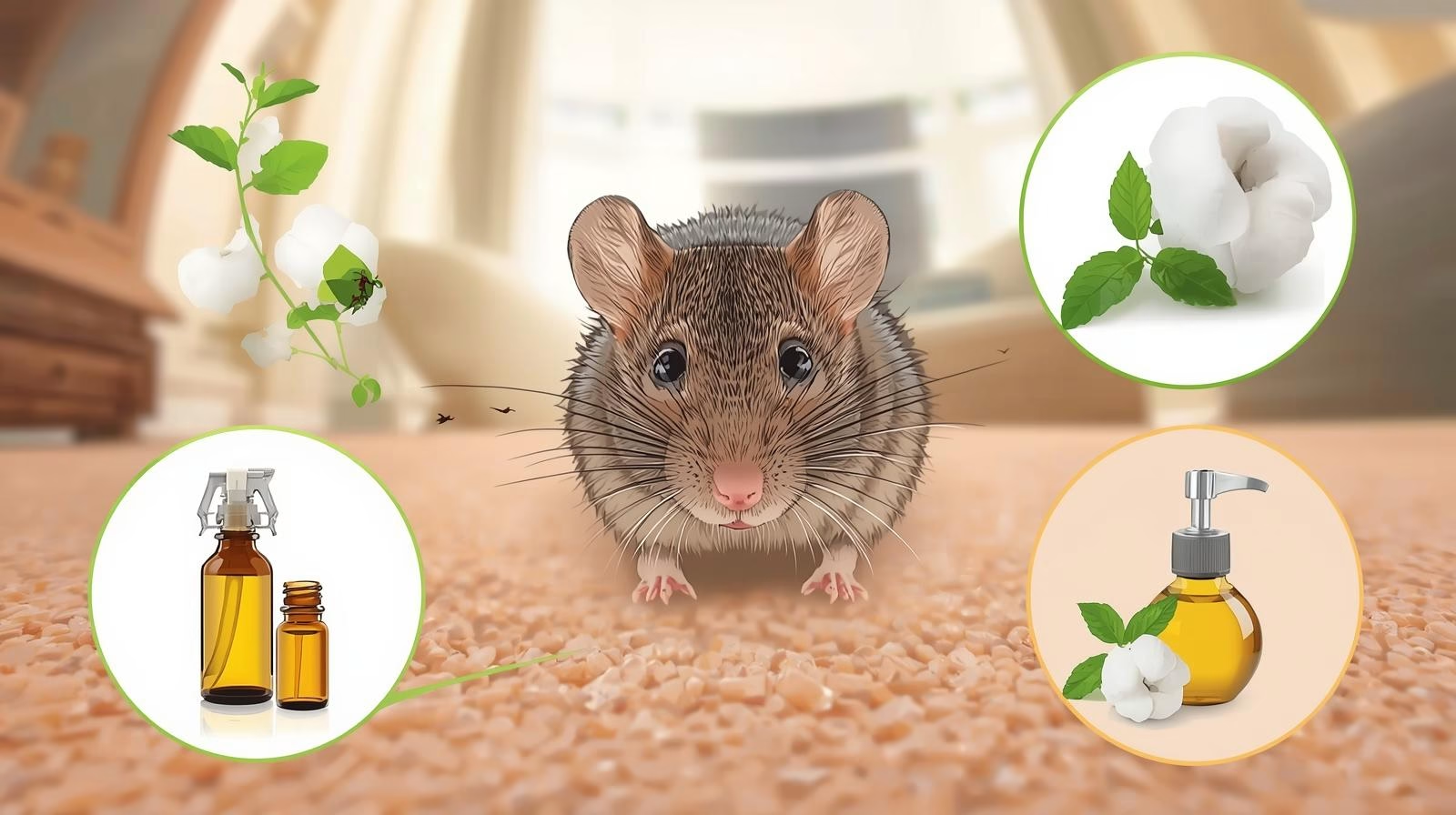
Peppermint oil is popular for mice control because it is a natural, non-toxic option that is easy to use and widely available. People commonly apply it on cotton balls, make sprays, or create sachets to place around areas where mice are likely to travel. Correct usage matters because peppermint oil’s scent fades quickly, and improper placement or over-reliance can make it ineffective. When used strategically—along walls, near entry points, and in enclosed spaces—peppermint oil can provide a temporary deterrent and support other control methods, making results more noticeable and longer-lasting. Additionally, combining peppermint oil with proper cleaning, sealing of gaps, and traps enhances its effectiveness, while consistent monitoring ensures that mice do not return or create new nests in untreated areas.
Why Peppermint Oil Is Used for Mice Control
Mice rely heavily on their sense of smell to find food, detect predators, navigate their environment, and communicate with other mice. Strong or unfamiliar scents can overwhelm their sensitive olfactory system, making areas feel unsafe or uncomfortable. This is why strong-smelling substances, like peppermint oil, can temporarily deter them. Peppermint oil is often chosen as a natural mouse deterrent because it has a sharp, pungent aroma that mice find irritating, is widely available, and poses minimal risk to humans when used correctly. While it does not eliminate mice or prevent them from returning, peppermint oil can help create a short-term barrier in combination with other preventive measures.
How Peppermint Oil Affects Mice
Peppermint oil disrupts mice scent trails by masking the odors they use to navigate and communicate, making it harder for them to find food and safe pathways. Its strong, sharp smell can also cause discomfort, irritation, and mild stress for mice, encouraging them to avoid treated areas temporarily. However, its effect is temporary because the scent fades quickly, and mice can become accustomed to it over time. Peppermint oil does not remove nests, eliminate food sources, or block entry points, so it cannot provide a permanent solution. For lasting control, it must be combined with proper cleaning, sealing, and trapping methods.
Helpful For You: Peppermint Oil for Mice
Best Ways to Use Peppermint Oil for Mice
1. Cotton Balls Soaked in Peppermint Oil
Apply 5–10 drops of pure peppermint oil to cotton balls until fully soaked but not dripping. Place them along walls, behind appliances, near suspected nesting areas, and dark corners where mice travel. Replace cotton balls every 2–3 days because the scent fades quickly, especially in ventilated spaces. This method works best in small, enclosed areas and should be combined with sealing entry points for better results. Always wear gloves when handling oil to avoid skin irritation and maintain consistent scent strength. This method is best used as a short-term deterrent rather than a permanent solution.
2. Peppermint Oil Spray for Mice
A peppermint oil spray is easy to make by mixing water with several drops of oil in a spray bottle. Spray lightly along baseboards, corners, entry points, and under sinks. Dilution is important to avoid overpowering scents, while reapplication every few days is needed as the smell evaporates. Sprays work well for surface coverage but are only a temporary deterrent. Avoid spraying directly on food areas or delicate surfaces to prevent residue buildup. Frequent use is required in high-traffic mouse areas for noticeable results.
3. Peppermint Oil Sachets
Peppermint oil sachets can be made by adding oil to cotton pads or dried herbs and placing them in breathable bags. These sachets work well in cupboards, drawers, closets, and storage spaces. They release scent slowly, making areas less attractive to mice. However, sachets lose strength over time and must be refreshed regularly to remain effective. Label sachets and replace them weekly to maintain a consistent scent barrier. Sachets are best suited for small storage spaces rather than open rooms.
Must Read: How to Get Rid of Mice Smell
4. Peppermint Oil Near Entry Points
Targeting entry points is one of the most effective ways to use peppermint oil. Apply it near cracks, gaps, vents, doors, windows, and pipe openings where mice commonly enter. This helps disrupt scent trails and discourages exploration. For best results, peppermint oil should support physical barriers like steel wool or sealant to block access completely. Regular inspections help identify new gaps that need treatment. Blocking entry points reduces the chance of mice returning repeatedly.
5. Using Peppermint Oil in Kitchens and Pantries
Peppermint oil can be used safely in kitchens and pantries when applied correctly. Place cotton balls in corners, behind cabinets, or under sinks, avoiding direct contact with food surfaces. Keeping food sealed and crumbs cleaned improves results. Peppermint oil alone will not work if food sources remain easily accessible to mice. Use airtight containers to reduce food odors that attract rodents. Clean regularly to prevent scent competition from food smells.
You may also like: Essential Oils to Deter Mice
6. Using Peppermint Oil in Basements and Garages
Basements and garages are common mouse entry areas due to clutter and low activity. Peppermint oil works better here because these spaces are enclosed and less ventilated. Place cotton balls near storage boxes, walls, and corners. Regular reapplication is important, especially in damp areas where scent fades faster than in living spaces. Decluttering these areas further reduces nesting opportunities for mice. Treating these zones early helps stop infestations from spreading upstairs.
7. Peppermint Oil for Cars and Storage Units
Mice often enter cars, sheds, and storage units seeking warmth and nesting materials. Peppermint oil can be placed on cotton balls inside engine compartments, trunks, or storage corners. This helps deter mice temporarily during seasonal changes. However, oil must be reapplied often and combined with removing nesting materials for better protection. Check these areas weekly to ensure the scent remains strong. Peppermint oil works best during short-term storage periods.
Also Read: Home Remedies to Rid Mice
8. Combining Peppermint Oil with Cleaning
Peppermint oil works best when paired with proper cleaning. Removing crumbs, spills, grease, and clutter eliminates food odors that attract mice. Clean surfaces also help peppermint oil scent spread more effectively. Without cleaning, mice may ignore strong smells if food remains available, reducing the oil’s deterrent effect significantly. Consistent cleaning creates a less welcoming environment for rodents. This combination improves overall control and prevention efforts.
9. Using Peppermint Oil with Traps
Peppermint oil can support trapping efforts but should never replace traps. Use peppermint oil to push mice away from certain areas while placing traps along known travel paths. This strategy can guide mice toward traps more effectively. Traps address the population directly, while peppermint oil only discourages movement temporarily. Check traps daily to prevent odor issues and ensure humane removal. This combined approach improves success rates significantly.
10. Reapplication Schedule for Best Results
Peppermint oil must be reapplied frequently to remain effective. Most applications last only 2–4 days, depending on airflow and temperature. Regular reapplication ensures the scent stays strong enough to bother mice. Inconsistent use reduces effectiveness and allows mice to adapt, making results unreliable over time. Set reminders to maintain a steady deterrent routine. Consistency is key to seeing any noticeable impact.
Must Read: Myths vs Facts About Peppermint Oil and Mouse Repellents
Common Mistakes When Using Peppermint Oil
- Overusing peppermint oil and applying too much at once
- Placing peppermint oil in open or random areas instead of along walls and corners
- Relying on peppermint oil alone to remove an infestation
- Ignoring food sources such as crumbs, open containers, and pet food
- Failing to remove clutter and nesting materials
- Not reapplying peppermint oil regularly as the scent fades
- Using low-quality or diluted peppermint oil products
- Applying peppermint oil without sealing entry points
How Long Does Peppermint Oil Take to Work?
Peppermint oil usually begins to show a small effect within a few hours to a day, especially in small, enclosed areas. However, it does not remove mice or their nests. The scent fades quickly, so reapplication every 2–4 days is essential for any noticeable effect. If you notice that mice continue to leave droppings, chew, or explore treated areas, this is a sign that peppermint oil alone is not sufficient. Remember, it is a temporary deterrent, not a full solution, and works best alongside cleaning, sealing, and traps. Consistent placement in high-traffic areas increases its short-term effectiveness.
When Peppermint Oil Is Not Enough
Peppermint oil will not work in larger infestations or when food, water, and shelter are easily available. Signs that DIY methods are failing include finding droppings daily, hearing scurrying sounds at night, chewed wires or packaging, and new nests in hidden areas. In these cases, relying on peppermint oil alone will not stop mice. Stronger control measures, such as traps, exclusion techniques, and professional intervention, are required. Ignoring these signs can allow the infestation to grow quickly and spread to other parts of the home.
How Professional Odor Removal Services Can Help You
Professional odor removal and rodent control services, like Wild Removal, can safely and effectively handle mice infestations when DIY methods are no longer enough. Their specialists provide complete rodent removal services, eliminating active mice, removing all scent trails, and thoroughly disinfecting contaminated areas. They also seal entry points, repair vulnerable gaps, and implement long-term prevention strategies designed specifically for your property.
In addition to odor removal, their team can safely apply professional-grade deterrents and treatment solutions when necessary. They inspect hidden spaces such as attics, crawl spaces, wall voids, and basements to locate nesting areas that are often missed with home remedies like peppermint oil. This comprehensive approach prevents recurring infestations, protects indoor air quality, and ensures your home remains safe, hygienic, and mouse-free—giving you lasting peace of mind even in severe or hard-to-detect infestations.
Conclusion
Peppermint oil can be a helpful, natural method to temporarily deter mice, but it is not a permanent solution. For the best results, combine peppermint oil with proper cleaning, sealing entry points, and using traps when needed. Regular monitoring and prevention are essential to avoid reinfestation. If signs of a larger infestation appear, professional help, such as Wild Removal, ensures safe and effective control. Remember, peppermint oil should support a broader strategy, not replace it, for long-term protection. Consistently addressing potential entry points and keeping your home tidy reduces the chances of mice returning. Using a combination of methods creates a safer, more reliable environment for both your family and your property.
FAQs
Does peppermint oil really repel mice?
Peppermint oil can temporarily deter mice because they dislike the strong scent, but it does not remove them permanently or kill them.
How often should peppermint oil be reapplied?
It should be reapplied every 2–4 days, or sooner if the scent fades, to maintain any short-term deterrent effect.
Can peppermint oil drive mice out completely?
No, peppermint oil alone cannot eliminate an infestation. It works best as a supportive method along with cleaning, traps, and sealing entry points.
What should I do if peppermint oil stops working?
Check for food sources, nesting areas, and gaps where mice enter. If problems continue, add traps or professional assistance for effective control.
When should I call a professional for mouse control?
Call a professional, like Wild Removal, if you see large infestations, persistent droppings, damage to wiring or food, or if DIY methods fail to reduce activity.