
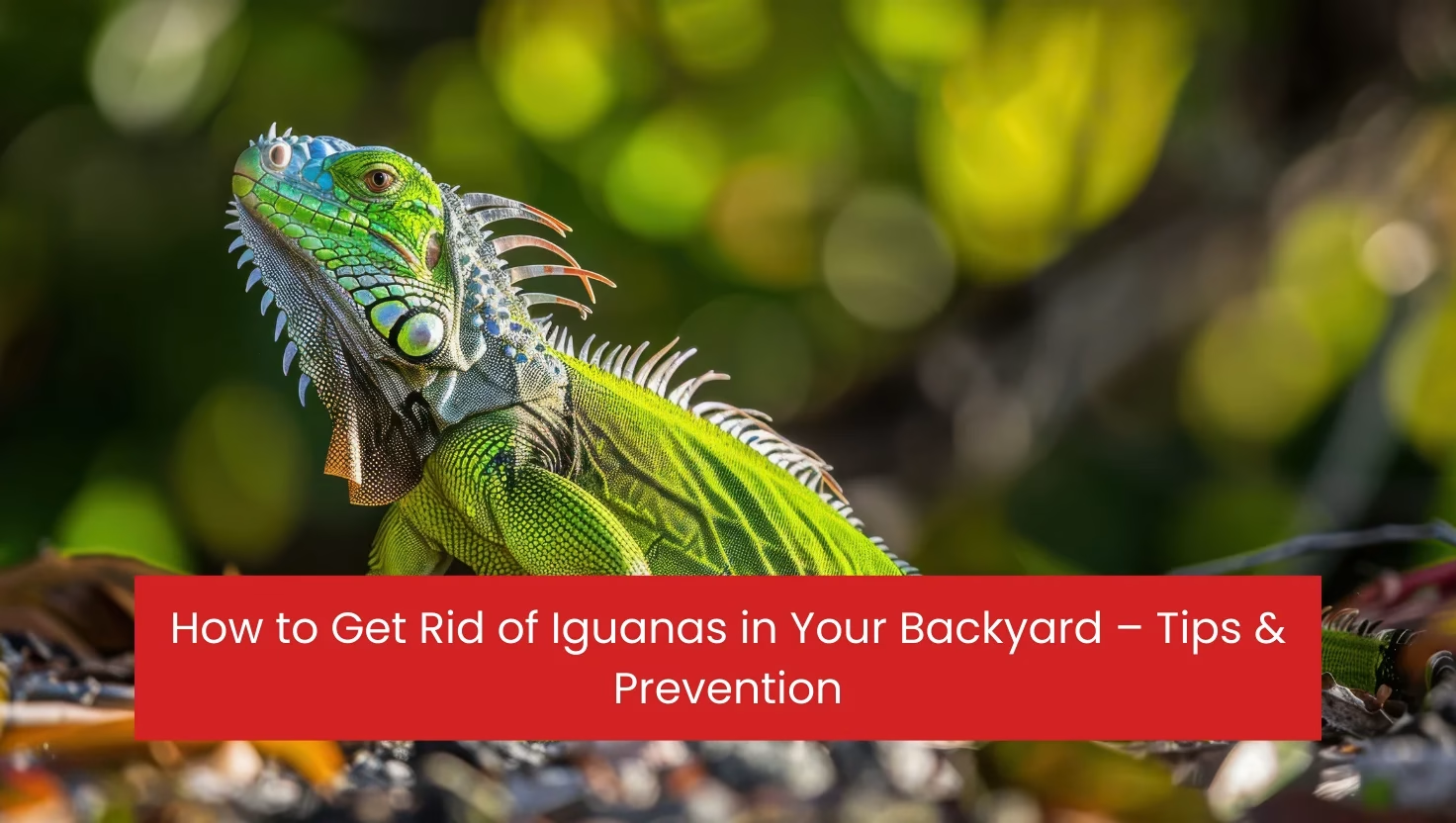
Iguanas in your backyard can cause serious damage to plants, flowers, and landscaping. These reptiles are attracted to gardens with fruits, vegetables, and shaded areas, where they can find food, water, and shelter. Beyond property damage, iguanas may pose health risks and attract other pests. In this guide, we’ll cover clear signs of iguana presence, effective DIY removal methods, backyard prevention tips, and when professional wildlife removal services are needed. Taking action early can save time, prevent further damage, and keep your backyard safe, healthy, and enjoyable for your family.
Why Iguanas Invade Your Backyard?
Iguanas are often drawn to residential backyards because they provide abundant food, water, and safe resting areas. Gardens with fruits, vegetables, and ornamental plants are particularly appealing. Warm, shaded spots offer ideal nesting sites, while loose soil or burrows allow them to lay eggs and hide from predators. Seasonal migration and breeding periods also increase iguana activity. Understanding why iguanas are attracted to your backyard is essential for implementing effective removal and prevention strategies that protect your property.
Clear Signs of Iguana Presence
- Damaged plants, fruits, and flowers
- Iguana droppings in the garden or yard
- Tracks or claw marks in soil, grass, or mulch
- Frequent daytime sightings of iguanas
- Chewed garden fencing or wooden structures
- Burrows or holes in soil
10 Methods to Get Rid of Iguanas
1. Remove Food Sources
Eliminate fallen fruits, vegetables, and birdseed that attract iguanas. Regularly cleaning up garden debris reduces food availability and discourages iguanas from staying in your yard. Additionally, removing pet food, compost scraps, and other edible items further minimises temptation, helping prevent repeated visits and long-term infestations. Maintaining a tidy garden not only deters iguanas but also improves overall yard hygiene and prevents attracting other pests such as rodents or insects.
2. Secure Garbage and Compost
Cover trash bins and compost piles to prevent iguanas from accessing food sources. Properly sealed containers help limit their activity around the yard. Make sure lids are tightly closed and use heavy-duty bins if possible. Regularly turning compost and cleaning containers reduces odors that attract iguanas and other wildlife. By securing all potential food sources, you create an environment less appealing for iguanas, while also discouraging other pests that could cause additional property damage or contamination.
You may also like: How to Get Rid of a Raccoon in a Backyard
3. Install Physical Barriers
Fences, mesh, or netting can block iguanas from entering specific areas of your yard. Ensure barriers are tall enough and buried slightly underground to prevent climbing or burrowing. Reinforcing vulnerable garden beds, fruit trees, and landscaping helps protect plants while maintaining a visually appealing yard. Combining barriers with other deterrent methods increases effectiveness. Physical barriers provide a reliable long-term solution to restrict iguana access, reduce nesting opportunities, and prevent property damage caused by feeding and digging habits.
4. Use Humane Traps
Live traps placed in areas with high iguana activity can safely capture and relocate them. Always check local wildlife regulations before relocation, and handle iguanas carefully to prevent stress or injury. Using traps in combination with baits such as fruits or vegetables improves success rates. Regularly monitoring traps ensures captured iguanas do not suffer unnecessarily. Humane trapping allows homeowners to manage populations effectively while maintaining safety and compliance with wildlife protection laws, offering a responsible solution to persistent backyard iguana problems.
5. Motion-Activated Sprinklers
Sprinklers triggered by movement can effectively scare iguanas away without causing harm. These devices create sudden water bursts that startle iguanas, discouraging them from returning to your garden. Installing sprinklers near high-traffic areas such as flower beds, fruit trees, or vegetable patches enhances coverage. Combining this method with visual deterrents or physical barriers increases efficiency. Motion-activated sprinklers provide a long-term, humane approach to reducing iguana activity, protecting plants, and discouraging repeated visits without the need for chemicals or traps.
Also Read: How to get Rid of a Wasp Nest
6. Apply Natural Repellents
Citrus peels, garlic sprays, or commercially available iguana repellents can be applied in problem areas to deter these reptiles. The strong scents irritate iguanas without causing harm. Rotate or refresh repellents regularly for consistent results. Place repellents around garden beds, fruit trees, and burrow entrances to maximise coverage. Natural deterrents are safe for pets, wildlife, and plants, offering an Eco-friendly solution to reduce iguana presence. Combining repellents with other removal methods increases effectiveness and helps prevent long-term infestations.
7. Trim Trees and Shrubs
Prune branches near the house, garden, or fruit trees to reduce easy access points for iguanas. Keeping plants trimmed minimises shelter and climbing opportunities, making it harder for iguanas to reach vulnerable areas. Remove overhanging branches that provide bridges from fences, roofs, or neighbouring properties. Regular maintenance discourages nesting and feeding, reduces hiding spots, and enhances the overall appearance of your yard. Proper landscaping practices are an essential preventive measure to protect plants, fruit trees, and garden structures from iguana damage.
8. Remove Burrows or Hideouts
Fill in holes and eliminate potential hiding spots to discourage iguanas from nesting in your yard. Inspect garden beds, flower borders, and soil mounds for burrows regularly. Removing debris piles, old logs, and dense vegetation further reduces shelter opportunities. By minimising safe resting and nesting spaces, iguanas are less likely to stay long-term. Regular inspection and maintenance prevent population growth, reduce damage to plants and structures, and make other deterrent methods more effective for keeping your backyard iguana-free.
Helpful For You: How to get Rid of Ants in the Backyard
9. Reduce Standing Water
Iguanas are naturally attracted to water sources. Remove puddles, open containers, birdbaths, or pet water bowls left outside. Ensure proper drainage in your garden to prevent water accumulation after rainfall or irrigation. Limiting available water discourages iguanas from frequenting your yard for hydration. Regularly inspecting for leaks and maintaining outdoor plumbing also supports plant health and reduces mosquito breeding areas. Controlling water sources complements other preventive measures and reduces the overall appeal of your backyard to iguanas and other wildlife.
10. Monitor Yard Regularly
Frequent inspections help identify early signs of iguana activity before infestations escalate. Look for droppings, tracks, burrows, and plant damage on a weekly basis. Early detection allows timely implementation of deterrents, removal methods, and preventive strategies. Monitoring also helps track which areas are most affected, allowing focused interventions. Combining regular observation with barriers, repellents, and other methods provides an integrated approach to backyard protection, ensuring long-term iguana control and minimising property and garden damage.
When to Call a Professional Wildlife Removal Service?
If iguanas become numerous, access hard-to-reach areas, or cause significant garden damage, it is best to seek professional help. Wildlife removal and control companies can safely capture and relocate iguanas, repair entry points, and implement long-term prevention strategies. Professionals ensure humane and legal removal, especially in areas with strict wildlife laws, and help protect your yard from recurring infestations. Acting promptly minimises property damage and reduces the risk of health hazards for your family and pets.
Conclusion
Iguanas can cause extensive damage to gardens, landscaping, and backyard structures, including plants, fences, and irrigation systems. Recognising early warning signs, implementing DIY removal methods, and taking preventive measures can protect your property, reduce long-term repair costs, and maintain a safe outdoor environment. When infestations become serious or persistent, professional wildlife removal services provide safe, humane, and effective solutions, ensuring proper relocation, habitat prevention, and long-term control. Early intervention is key to maintaining a healthy, thriving, and iguana-free backyard for both your family and pets.
FAQs
Are iguanas dangerous to humans?
Iguanas are generally not aggressive, but they can bite or scratch if threatened. Avoid direct contact.
How can I prevent iguanas from entering my backyard?
Remove food sources, secure trash, trim trees, and install barriers to make your yard less appealing.
Can iguanas be removed without harming them?
Yes, humane traps, deterrents, and professional relocation services can remove iguanas safely.
Do iguanas carry diseases?
Iguanas may carry bacteria like Salmonella, which can pose health risks, especially to children and pets.
How quickly can iguanas damage a garden?
Iguanas can eat and destroy plants daily, causing noticeable garden damage within a few days to weeks.