
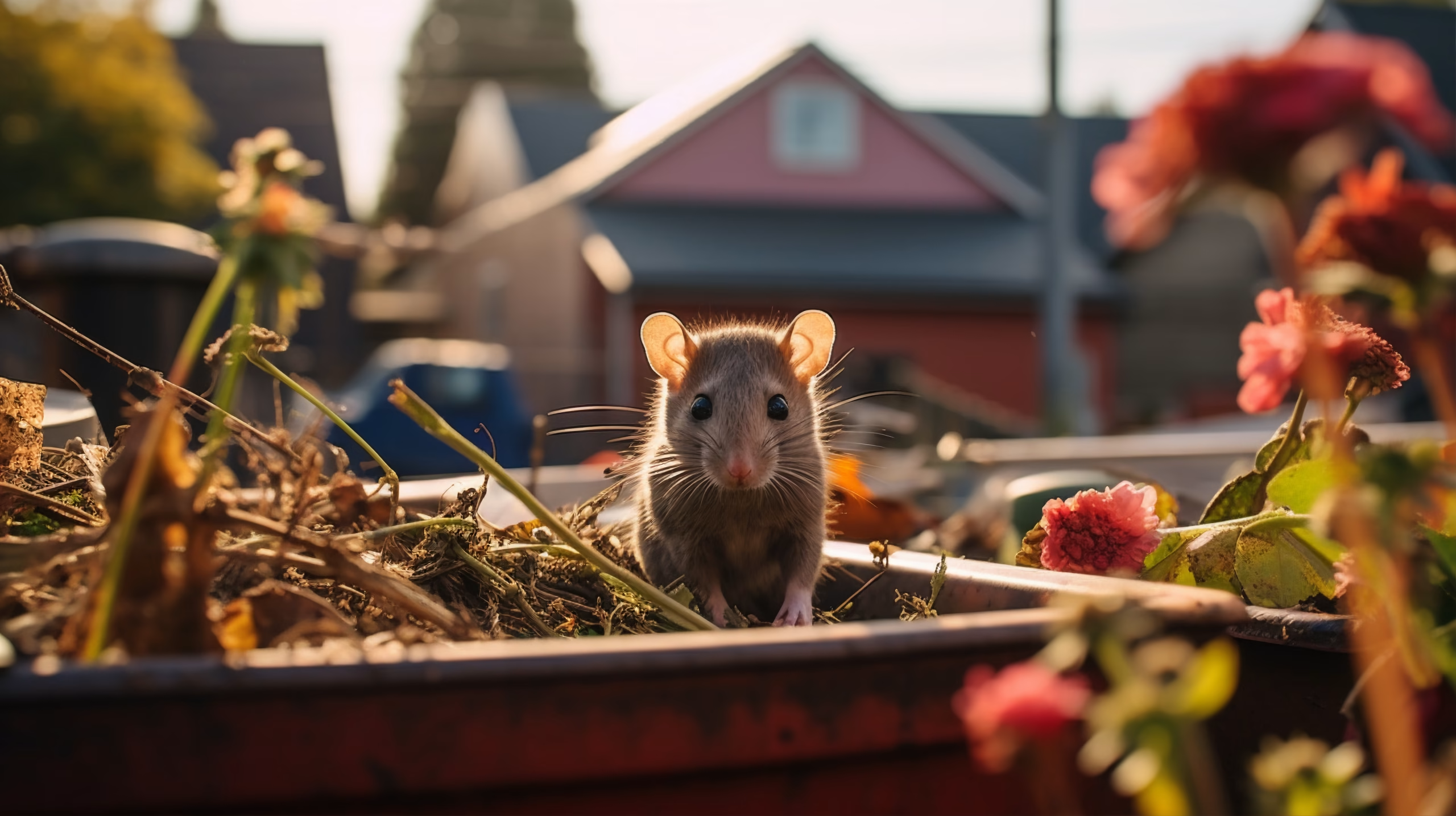
Rodents like rats, mice, and squirrels don’t just sneak into your home—they often start in your yard. Poor landscaping choices give them the perfect hiding spots, water access, and food sources. Overgrown plants, clutter, and uncovered compost bins can all attract unwanted pests. In this guide, we’ll share proven landscaping tips to prevent rodents so you can enjoy a clean, pest-free yard and protect your home’s foundation, insulation, and wiring from future infestations. Implementing these strategies not only keeps rodents away but also creates a healthier, more attractive outdoor space for your family.
Rodent Control Services Florida
Why Landscaping Affects Rodent Activity
Landscaping plays a big role in attracting or repelling rodents. Overgrown grass, untrimmed trees, woodpiles, and exposed garbage create ideal environments for nesting and feeding. Rodents prefer quiet, dark, and undisturbed outdoor spaces—exactly what an unkempt yard offers. If your lawn provides food, water, and shelter, rodents are more likely to invade your property and find a way indoors. Maintaining a well-kept yard with proper trimming, cleaning, and organisation can significantly reduce the risk of rodent infestations.
Best Landscaping Tips to Prevent Rodents
1. Keep Grass and Weeds Trimmed
Tall grass and weeds provide ideal hiding places for rodents. Regular mowing around lawns, fences, sheds, and walls removes cover and exposes activity early. Clearing yard debris such as leaves, branches, and mulch piles prevents nesting. A tidy lawn reduces shelter and discourages rodents from settling nearby. Consistent maintenance also prevents hidden travel paths and makes infestations easier to spot quickly.
2. Trim Trees and Shrubs Away from the House
Overhanging branches and dense shrubs allow rodents to access roofs and vents. Keeping vegetation at least 6–8 feet away from walls and roof-lines blocks easy entry. Pruning hedges near windows, vents, and utility openings limits pest movement. Reduced plant contact also improves airflow and sunlight exposure, making the area less attractive for rodents. Proper pruning further enhances visibility and supports early detection of potential infestations.
Also Read: Best Home Remedies for keeping Rodents Away
3. Avoid Dense Ground Cover Near Foundations
Dense ground cover provides protected paths for rodents along foundations. Choosing low, spaced-out plants and maintaining open areas near exterior walls reduces access. Leaving 12–18 inches of bare soil or gravel as a buffer exposes potential rodent movement. This open perimeter makes activity easier to detect and prevents burrowing close to the structure. Clear foundations also reduce moisture retention, discouraging nesting and hidden shelter areas.
4. Fix Drainage and Remove Standing Water
Rodents need water sources to survive and reproduce. Poor drainage, clogged gutters, and leaking taps attract pests. Ensuring water flows away from the house and repairing leaks promptly limits rodent access. Dry conditions make the environment less suitable for nesting and movement. Proper drainage also prevents damp areas and soil erosion that could encourage rodents to settle nearby.
For you: How to Get Rid of Rodent in Wall
5. Store Firewood Off the Ground
Firewood piles offer warmth and shelter, making them attractive to rodents. Stacking wood at least 18 inches above the ground and away from walls reduces nesting opportunities. Using racks or stands and rotating older logs helps keep the pile dry and inspected. Regular checks identify signs of rodent activity before infestations spread. Proper storage improves air circulation and reduces decay that could attract pests and insects.
6. Secure Outdoor Structures and Sheds
Sheds, garages, and storage units are common rodent shelters if neglected. Sealing cracks, gaps, and holes with metal mesh or fillers blocks entry. Keeping doors closed and elevating stored items off the floor further reduces access. Secure structures limit nesting opportunities and discourage rodents from settling. Routine inspections help maintain protection and prevent rodents from spreading to nearby buildings.
Also Like: Deadliest Disease Rodents Carry
7. Seal Garbage and Compost Bins
Unsealed trash and compost bins attract rodents searching for food. Using tightly closed, rodent-proof containers keeps pests out. Cleaning spills and placing bins away from doors or windows reduces access further. Proper waste management minimises strong food odors that lure rodents into yards. Regular cleaning also prevents residue buildup, making the area less inviting for pests.
8. Remove Outdoor Food Sources
Pet food, bird seed, and fallen fruits are major attractants for rodents. Storing food in airtight containers and feeding pets indoors reduces their availability. Cleaning fallen fruits and spilled seeds promptly eliminates potential feeding spots. Limited access discourages repeated visits and infestation growth. Controlled feeding habits also reduce competition with wildlife and prevent long-term rodent problems.
9. Install Physical Barriers and Fencing
Physical barriers effectively block rodent entry points. Installing wire mesh around vents, crawl spaces, and pipes prevents access. Extending fencing several inches below ground stops burrowing and hidden movement. These measures protect vulnerable areas and prevent rodents from nesting nearby. Barriers also support long-term pest management strategies without the need for chemicals.
Must Read: How to Get Rid of Rodents
10. Schedule Regular Yard Inspections
Regular yard inspections help detect rodent activity early. Checking for droppings, burrows, gnaw marks, and damaged plants allows quick intervention. Addressing problems promptly prevents infestations from spreading. Consistent monitoring supports long-term rodent control and maintains a safe environment. Early action reduces treatment costs and minimises risks to family, pets, and property.
Signs of Rodents in Your Yard
- Small burrow holes in mulch or soil
- Gnaw marks on garden furniture or fences
- Droppings near sheds, trash bins, or under decks
- Greasy rub marks on siding or walls
- Scampering noises in bushes at night
- Nests made from grass, twigs, or insulation
When to Call Professionals
If rodent activity continues despite preventive landscaping, it’s time to call wildlife control services. Professionals can identify entry points, nests, and hidden damage you might miss. They offer safe, long-term solutions that go beyond DIY fixes, especially important when infestations threaten your home’s foundation, HVAC system, or wiring. Licensed rodent control experts also use specialised equipment, exclusion techniques, and bait systems tailored to your property layout, reducing re infestation risk and ensuring complete rodent removal in hard-to-reach outdoor and indoor areas.
Conclusion
A well-maintained yard is one of your best defences against rodent infestations. These landscaping tips to prevent rodents will help you protect your outdoor space and stop pests before they ever reach your door. Prevention is always easier and cheaper than dealing with a full-blown invasion later, especially when it comes to damage to insulation, wiring, or home foundations. Regular yard upkeep, combined with vigilance and early action, can save you from costly repairs and serious health risks.
FAQs
Do certain plants repel rodents?
Yes! Plants like mint, rosemary, and lavender have strong scents that can help deter rodents naturally.
Does mulch attract mice and rats?
Thick, damp mulch can attract rodents. Use a thin layer and avoid piling it near walls or the foundation.
How often should I inspect my yard for rodent activity?
At least once a month, especially near trash areas, woodpiles, or garden beds.
Can motion-activated lights deter rodents?
Yes. Motion lights or sprinklers can startle and discourage rodents and other nighttime pests.
Will sealing outdoor trash be enough to stop rodents?
It’s a key step, but combining sealed trash bins with proper landscaping offers the best protection.