
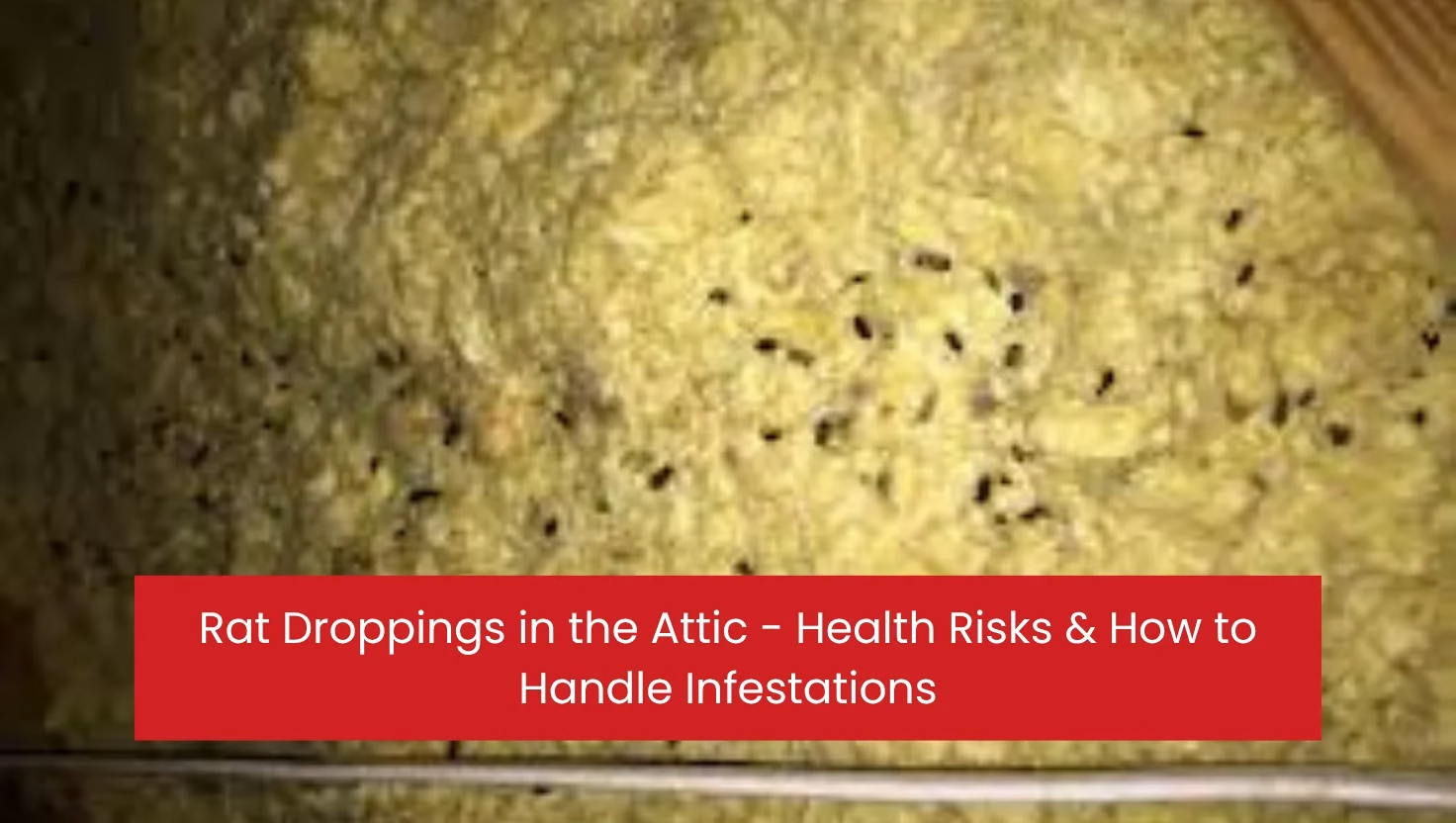
Finding rat droppings in your attic is more than a nuisance—it’s a serious warning that your home may be at risk of infestation and disease. Rats are nocturnal, fast breeders, and can quickly turn a peaceful attic into a contaminated, unsafe space. Their droppings and urine carry pathogens that can affect humans and pets, while their gnawing can damage insulation, wiring, and structural wood. Quick fixes often fail to eliminate the entire colony. To protect your home, it’s important to understand the risks and adopt effective removal and prevention strategies that target the root of the problem.
Why Rats Choose Attics?
Attics are ideal for rats because they provide warmth, shelter, and quiet spaces to nest. Gaps in the roof, vents, or walls make entry easy, while insulation and stored items give rats ample hiding spots. Food sources nearby, such as pet food or improperly stored pantry items, further attract them. Once established, rats can reproduce rapidly, making early detection and intervention critical. Regular inspections, proper storage practices, and sealing potential entry points can help reduce the chances of infestation and limit long-term damage to your home.
Helpful for you: Rodent Scat Identification Guide
Signs of a Rat Infestation in Your Attic
- Droppings and Urine Stains: Small, dark, pellet-shaped droppings or urine odors indicate rat activity.
- Gnaw Marks: Chewed wires, wood, or insulation are telltale signs.
- Noises at Night: Scratching, scurrying, or squeaking sounds often occur when rats move through the attic.
- Nesting Materials: Shredded paper, insulation, or fabric shows rats are making nests.
- Foul Odors: Accumulated droppings and urine create a strong, unpleasant smell.
Health Risks of Rat Droppings
Rat droppings pose several serious health risks:
- Disease Transmission: Hantavirus, leptospirosis, and salmonella can all be spread via contact with droppings or urine.
- Allergic Reactions: Proteins in droppings and urine may trigger asthma or allergic reactions.
- Contamination: Droppings can contaminate insulation, stored items, and surfaces.
- Increased Risk of Bites: Handling rats or cleaning droppings improperly can lead to bites or scratches.
Also Read: Difference Between a Mouse and a Rat?
Immediate Actions to Take When You Find Rat Droppings
- Avoid Direct Contact: Wear gloves, masks, and protective clothing.
- Ventilate the Attic: Open windows or vents to reduce airborne pathogens.
- Remove Droppings Safely: Use disinfectant solutions to soak droppings before cleaning.
- Disinfect Surfaces: Use appropriate cleaners to sanitize affected areas.
- Document the Infestation: Take photos or notes if you need professional help or insurance documentation.
Methods to Remove Rats from Your Attic
1. Use Snap Traps
Set snap traps along walls and entry points where rats frequently travel. Check traps regularly and dispose of caught rats safely to prevent disease exposure. Position traps near droppings, nesting areas, and gnaw marks. Rotate bait types like peanut butter, seeds, or dried fruit, and place multiple traps at varying heights. Combine traps with sealing entry points, cleaning, and monitoring to maximise capture success and prevent remaining rats from spreading throughout the attic.
2. Use Live Traps
Live traps allow you to catch rats without killing them. Release them far from your property in accordance with local regulations, and monitor traps daily. Use fresh, attractive bait such as fruits, nuts, or peanut butter. Check traps frequently to prevent stress or injury to captured rats. Place traps along walls, behind obstacles, or near nesting areas. Relocation should follow local wildlife rules, and repeated trapping may be necessary to fully clear the infestation while minimising risk to pets and humans.
Must Read: Traps vs. Baits – Which Is More Effective for Rodent Control?
3. Rodenticides (Chemical Baits)
Use rodenticide baits carefully according to label instructions. Keep away from children and pets, and follow disposal guidelines for safety. Place bait in tamper-resistant containers along active trails, behind obstacles, or near nesting areas. Rotate different active ingredients to prevent bait shyness. Monitor bait regularly, remove leftover poison, and combine with traps, sealing, and cleaning for long-term effectiveness. Always follow local regulations for chemical use and disposal to protect both your household and the surrounding environment.
4. Ultrasonic Repellents
Ultrasonic rodent repellents emit high-frequency sounds to deter rats temporarily. While not fully effective alone, they can complement other removal methods. Place devices in multiple rooms, attics, or hallways where rats travel. Keep devices plugged in constantly and adjust frequency if needed. Combine with sealing gaps, sanitation, traps, and repellents. Monitor rat activity and reposition devices for best coverage. While not a standalone solution, they create an additional layer of deterrence, making the environment less hospitable for rats over time.
5. Seal Entry Points
Identify and seal all potential entry points such as roof gaps, vents, or wall cracks. Steel mesh, caulk, or other rodent-proof materials work best. Inspect the attic and exterior thoroughly, including vents, chimneys, plumbing openings, and attic hatches. Repair damaged siding, flashing, or vent screens. Seal holes larger than a quarter inch, paying attention to hidden access points. Combining sealing with traps, repellents, and sanitation ensures rats cannot re-enter, creating a long-term barrier and reducing the likelihood of re-infestation.
6. Remove Food Sources
Store food in airtight containers, clean up crumbs, and secure pet food. Eliminating accessible food discourages rats from staying or returning. Regularly dispose of garbage in tightly sealed bins. Avoid leaving fruits, vegetables, or birdseed on the ground. Clean up spilled pet food, compost, or garden produce promptly. Inspect cupboards, pantries, and storage areas for overlooked food. By reducing food availability, you make your attic and home environment unattractive to rats, supporting the effectiveness of other control methods and minimising population growth.
You may also like: What Disease do Rats Spread
7. Maintain a Clean Attic
Remove debris, old insulation, and clutter where rats can nest. Sweep, vacuum, and sanitise surfaces to reduce droppings and odors. Organise stored items in sealed plastic bins. Regularly inspect insulation, furniture, and boxes for signs of rats. Rotate items periodically to identify early activity. Ensure good ventilation and keep the attic dry to discourage nesting. A clean, well-maintained attic limits hiding spots, reduces stress from pests, and enhances the effectiveness of traps, repellents, and professional treatments.
8. Trim Trees and Vegetation Near Roof
Rats often access attics via overhanging branches or dense shrubs. Keep trees trimmed at least 4–6 feet from the roof line. Thin dense foliage and remove climbing vines or bushes that provide cover. Regularly inspect for new growth that could give rats a pathway into your attic. Maintain a clear perimeter around the home. This makes roof access more difficult, reduces rat attraction to nesting areas, and complements other exclusion and control methods for long-term protection.
9. Use Natural Deterrents
Peppermint oil, ammonia, or other natural repellents can discourage rats. Place soaked cotton balls or spray solutions along walls, corners, vents, and entry points. Reapply regularly to maintain effectiveness. Combine with cleaning, sealing, and traps for long-term results. Avoid relying solely on natural repellents for large infestations—they are most effective as part of an integrated approach. Regular monitoring ensures that rats do not adapt, keeping your attic environment unpleasant and uninviting for rodents.
Also Read: What Food Kills Rats Instantly
10. Hire Professional Wildlife Removal Services
For large infestations, recurring problems, or high-risk situations, professional wildlife removal services are the safest and most effective option. Experts inspect your attic, set traps or exclusion systems, disinfect droppings, and repair entry points. They provide long-term prevention advice, ongoing monitoring, and guidance on attic maintenance. Using professional services ensures complete removal, reduces the risk of disease exposure, and offers peace of mind by implementing strategies that keep your home rat-free for years.
Preventing Future Infestations
1. Seal Entry Points Around Your Home
Check your roof, vents, gaps, and cracks thoroughly; seal them with caulk, steel mesh, or rodent-proof materials to prevent rats from entering. Inspect hidden areas like plumbing openings, attic hatches, and chimney gaps regularly, and repair any damage immediately. Regular inspections and maintenance reduce re-infestation risks and complement other rat control methods effectively.
2. Maintain Clean Attic Spaces
Remove debris, old insulation, and food sources regularly to eliminate nesting spots. Keep the attic organised with sealed storage bins, vacuum dust and droppings, and check insulation for contamination. Proper ventilation, cleanliness, and regular inspection make the attic less attractive to rats and enhance the effectiveness of traps, repellents, or professional removal services.
3. Trim Trees and Vegetation Near Roof
Prevent rats from accessing your attic via branches or shrubs. Maintain a clear perimeter of at least 4–6 feet around the house, remove climbing vines, thin dense foliage, and regularly check for new growth. Trimming vegetation not only blocks easy access for rats but also reduces cover for other pests and improves overall roof and home maintenance.
4. Install Rodent Deterrents
Use repellents, ultrasonic devices, or natural deterrents to keep rats away consistently. Apply peppermint oil, ammonia, or other natural solutions near entry points, corners, and pathways. Reapply repellents regularly and combine them with cleaning, sealing, and traps for maximum long-term prevention. Consistent use discourages rat activity and reduces the likelihood of re-infestation.
How Wildout Helps with Rat Removal Services in Florida?
If rats are not leaving, nests are present, or you are worried about safety, it is time to call professionals. At Wildout, rat removal services in Florida are what we provide to handle these situations safely and effectively. Our team inspects your home and attic, finds hidden nests, and removes rats without risk. We make sure no infestation is left behind and handle the situation with proper care. After removal, we clean and disinfect contaminated areas, including droppings and urine. We also seal entry points to prevent future infestations. Our service reduces health risks, property damage, and recurring problems, giving you a safe and long-term solution.
Conclusion
Rat droppings in the attic are a serious health and safety concern but can be managed effectively with prompt action. Combining DIY methods, preventive measures, and professional wildlife removal services ensures long-term protection. Regular inspections, thorough cleaning, proper sanitation, and sealing of all entry points will significantly reduce future risks and maintain a safe, healthy home environment while preventing recurring infestations and costly structural damage over time.
FAQs
Are rat droppings dangerous to humans?
Yes, they can carry diseases like Hantavirus, leptospirosis, and salmonella, which can be transmitted through contact or inhalation of contaminated particles.
How do I safely clean rat droppings in the attic?
Wear gloves and a mask, ventilate the attic, soak droppings with disinfectant, and dispose of materials safely to reduce disease risk.
How can I prevent rats from returning?
Seal entry points, maintain a clean attic, trim nearby trees or vegetation, and use repellents or ultrasonic devices to discourage rats.
Can I remove rats myself?
Small infestations may be handled with traps, but large or persistent infestations require professional wildlife removal services for safe and effective elimination.
How do professionals remove rats safely?
They inspect the property, set traps or use exclusion methods, disinfect droppings, repair entry points, and provide long-term prevention strategies for lasting results.