
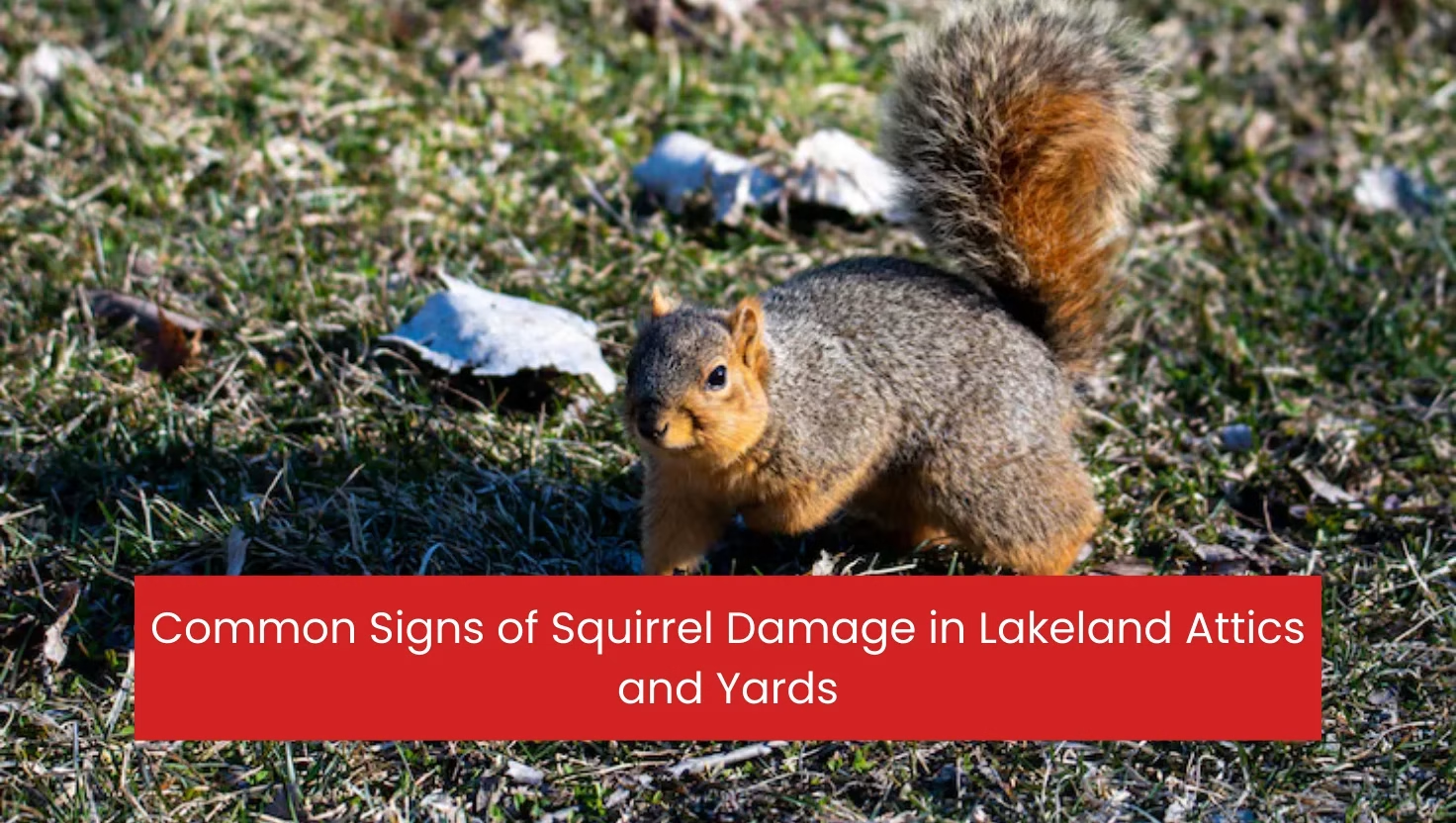
Squirrels are clever, agile mammals commonly found in Lakeland and surrounding areas. While generally harmless, they can become a serious nuisance when they invade attics, yards, or gardens in search of food, warmth, or shelter. Early detection of squirrel activity is crucial to prevent property damage, contamination, and potential health hazards. Recognising the signs of squirrel infestations can save homeowners time, money, and stress, while allowing them to take proactive steps to protect their property and family. Understanding their habits and preferred entry points also helps improve prevention and long-term control efforts. Regular home inspections and simple deterrents can greatly reduce the chances of squirrels returning once removed.
What Are Squirrels?
Squirrels are medium-sized rodents known for their bushy tails, sharp teeth, and remarkable climbing ability. They are highly adaptable, living in urban, suburban, and rural environments. Squirrels are diurnal, meaning they are active during the day, and are opportunistic feeders, consuming nuts, seeds, fruits, vegetables, and occasionally pet food or bird feed. Their ability to climb trees, jump across rooftops, and squeeze through small openings makes attics and yards particularly attractive nesting spots. Understanding squirrel behavior is key to preventing infestations and property damage. Knowing their seasonal nesting habits and food preferences can help homeowners apply more effective prevention strategies year-round.
Why Squirrels Invade Attics and Yards
Squirrels often invade attics and yards for shelter, warmth, safety from predators, and access to food. Attics provide secure nesting areas, while yards and gardens offer ample foraging opportunities. Common entry points include vents, roof openings, gaps in soffits, and overhanging tree branches. Properties with easily accessible food sources, such as unsecured trash, bird feeders, or pet food left outside, are more likely to attract squirrels. Recognising these attractants and potential entry points helps homeowners take preventative measures before infestations occur.
Also Read: Are Squirrels Rodents?
Common Signs of Squirrel Damage
1. Noises in the Attic or Walls
Scratching, scampering, or squeaking sounds during the day often indicate squirrels are active in your attic or walls. Repeated noises suggest nesting, movement, or the presence of young offspring. Paying attention to the timing and location of these sounds can help identify problem areas and guide removal or deterrent strategies. Persistent activity may also indicate multiple squirrels are inhabiting the space. Using audio monitoring or cameras can help confirm the presence of squirrels and track their movements for safer removal.
2. Chewed Wood, Wires, or Insulation
Squirrels gnaw on wood, electrical wiring, and insulation to create nests or sharpen their teeth. Chewed wires pose fire hazards, while damaged insulation can reduce energy efficiency. Inspecting attics and storage areas regularly can help homeowners catch chewing activity early. Prompt repair and replacement of damaged materials discourage squirrels from returning. Adding metal guards around wiring and critical structures can provide extra protection and prevent repeated chewing damage.
You may also like: Best Ways to Seal Entry Points in Lakeland Attics
3. Droppings or Urine
Squirrel droppings are small, dark, and pellet-like, often found near entry points, nesting areas, or food sources. Urine stains may also be visible on wood or insulation. These wastes can contaminate surfaces and create unpleasant odors. Cleaning affected areas carefully with gloves and disinfectants is crucial to reduce health risks and prevent secondary infestations. Consistent inspection of droppings can also help determine the severity of the infestation and guide professional removal efforts if necessary.
4. Gnawed Entry Points
Chewed vents, soffits, roof openings, and small gaps in attics or siding are common signs of squirrel access. These entry points allow squirrels to move freely in and out while carrying nesting materials. Inspecting the exterior of your home for such damage and sealing gaps with metal flashing or wire mesh can prevent further intrusion. Reinforcing vulnerable areas near trees or high-traffic sections of the roof can further reduce the risk of re-entry.
5. Damage to Yards or Gardens
Squirrels frequently dig for buried food, uproot plants, or raid bird feeders, leaving visible signs of activity in yards or gardens. They may strip bark from trees or chew on ornamental plants. Regular yard maintenance, securing feeders, and monitoring for disturbed soil or plants can help detect and prevent ongoing squirrel problems. Installing barriers like fencing or using repellents can protect vulnerable plants and deter squirrels from returning.
Helpful For You: Seasonal Wildlife in Lakeland
6. Nests or Bedding Materials
Squirrels build nests using leaves, shredded paper, insulation, or other soft materials. These nests may be found in attics, crawl spaces, garages, or even tree canopies near homes. Nests often contain droppings or fur, confirming active occupancy. Removing or securing nesting materials prevents squirrels from reusing these areas and reduces odors. Checking for multiple nests can help determine the number of squirrels present and the extent of the infestation.
7. Sawdust or Wood Shavings
Gnawing on wood creates small piles of sawdust or shavings near attics, vents, or garden structures. Finding these piles indicates ongoing chewing activity and potential structural damage. Tracking the location of sawdust can help identify the squirrels’ preferred entry points or nesting areas. Regular cleanup and monitoring can also help homeowners detect early infestations before more significant damage occurs.
8. Damage to Stored Items
Squirrels may chew on stored boxes, clothing, insulation, or other belongings in garages, attics, or sheds. This behaviour can damage personal property and create contamination risks. Inspecting storage areas regularly and keeping items in sealed containers can minimise losses and discourage squirrels. Using plastic bins or metal storage units further protects items and reduces the likelihood of nesting or chewing activity.
Must Read: How the Lakeland Rainy Season Impacts Wildlife Activity
9. Frequent Yard Visits
Repeated sightings of squirrels in your yard, especially during daylight hours, suggest active foraging or territorial behavior. Observing patterns of movement and preferred feeding spots can help homeowners implement targeted deterrents and monitor for further activity. Installing motion-activated lights or sprinklers can discourage squirrels from frequenting gardens, bird feeders, or other vulnerable areas.
10. Unusual Odors
Squirrel urine or droppings can create musky or ammonia-like odors in attics, storage areas, or near nests. Persistent smells often indicate long-term occupancy and can attract secondary pests. Prompt cleaning and odor neutralisation are essential to maintain a safe, healthy home environment. Using professional cleaning services and proper ventilation can effectively eliminate odors and reduce the risk of attracting additional wildlife.
Health Risks and Concerns Squirrel in Lakeland
Squirrels can carry parasites such as fleas, ticks, and mites, as well as diseases including leptospirosis, salmonella, and lymphocytic choriomeningitis virus (LCMV). Their droppings and urine can contaminate insulation, ceilings, and stored items, creating health hazards for humans and pets. Infestations may also attract insects or other small wildlife, compounding property damage. Early detection and proper cleanup are vital to reducing health risks and preventing further infestations. Using protective gear and disinfecting affected areas helps limit exposure to harmful pathogens and lingering odors.
How to Prevent Squirrel Damag in Lakeland Attics and Yards
- Trim overhanging tree branches to prevent squirrels from accessing your roof or attic.
- Seal gaps, vents, and roof openings with metal flashing or wire mesh to block entry.
- Secure trash bins and compost areas to remove food attractants.
- Protect bird feeders with baffles or keep them away from trees and rooftops.
- Regularly inspect attics, garages, and sheds for signs of chewing, nesting, or droppings.
- Store outdoor and attic items in sealed containers to prevent damage or contamination.
Consistent maintenance and proactive prevention significantly reduce the risk of squirrel infestations in your home and yard.
When to Call Wildlife Removal Professionals
If you notice multiple signs of squirrel activity, such as persistent noises, droppings, or property damage, it’s time to contact wildlife removal and animal control experts. Experts can safely and humanely remove squirrels, clean contaminated areas, repair damage, and seal entry points to prevent future infestations. Professional guidance ensures the animals are not harmed and helps maintain a safe, healthy home environment. Timely intervention also reduces the risk of fire hazards, structural weakening, and the spread of parasites within your home.
Conclusion
Early detection of squirrel damage in Lakeland attics and yards is essential for protecting your property and family. Look for noises, droppings, gnawed materials, or unusual yard activity as warning signs. Taking preventive measures, sealing entry points, securing food, and calling wildlife removal professionals when needed can help maintain a safe, squirrel-free environment. Regular monitoring, prompt cleanup, and proactive maintenance will prevent infestations from escalating, protecting both your home and health. Staying vigilant and acting quickly at the first signs of activity is key to avoiding costly damage and long-term problems. Implementing simple deterrents such as trimming trees near roofs and using secure storage containers can further reduce the risk of future squirrel intrusions.
FAQs
Can squirrels damage electrical wiring in attics?
Yes, squirrels may chew on electrical wiring, creating fire hazards and costly repair issues.
How do I know if squirrels are nesting in my attic?
Signs include scratching or scampering noises, droppings, chewed insulation, and visible nesting materials.
Are squirrels dangerous to humans or pets?
Squirrels rarely bite, but they can carry parasites and diseases. Direct contact should be avoided.
How can I prevent squirrels from entering my yard or attic?
Trim tree branches, seal entry points, secure food, and use deterrents like baffles on bird feeders.
What is the safest way to remove squirrels from my home?
Contact wildlife removal professionals to safely and humanely remove squirrels, repair damage, and prevent re-entry.