
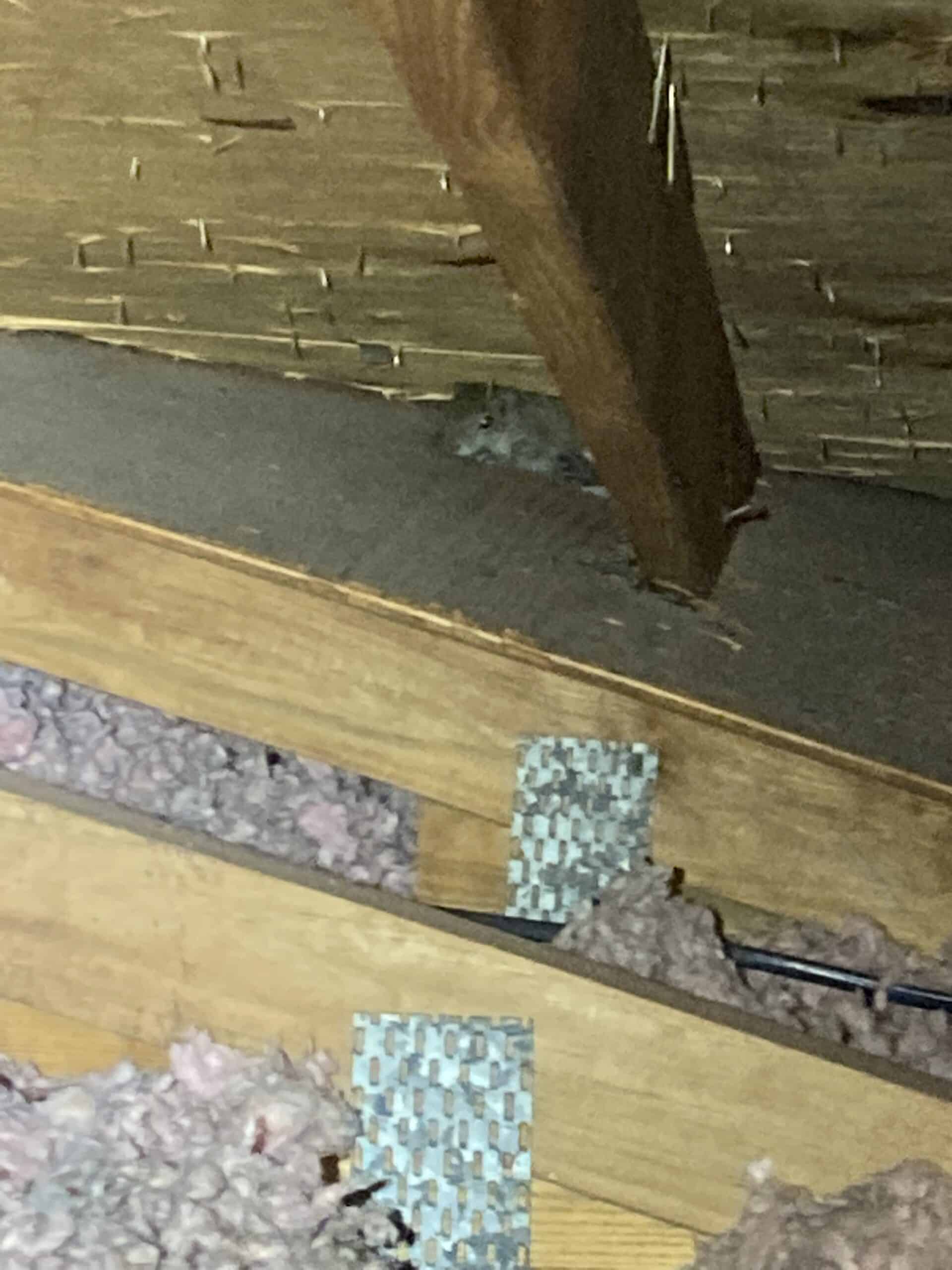
Are strange sounds in your attic keeping you up at night? You’re not alone. In Highland City, Florida, unexpected noises from above can often point to wildlife seeking shelter inside your home. The warm, humid climate and access to wooded areas make this region especially appealing to a variety of animals. From faint scratching to heavy thumping, different species make themselves known in different ways. Understanding what these sounds mean can help you respond appropriately and prevent long-term damage or safety concerns.
Identifying the Noise: Who Might Be Living Overhead?
The first step in solving the issue is figuring out what kind of animal is causing the noise. Animals often leave behind physical signs like droppings, nesting material, or chewed insulation, which can help in identifying them. Here’s a breakdown of common culprits, based on their behavior, sounds, and activity times:
1. Squirrels
Often active during the day, squirrels create fast scurrying and scratching sounds. They’re known to chew through wood and insulation to build nests. You might also hear them rolling nuts or acorns around the attic floor as they prepare for storage.
2. Raccoons
These animals are active mostly at night. They make heavy thudding noises and may rip through ductwork or insulation. Raccoons are strong and intelligent, often entering through roof vents, soffits, or damaged shingles in search of shelter.
3. Mice and Rats
Rodents make constant scratching, squeaking, or gnawing noises, often accompanied by small droppings. Their activity increases at night, especially near food sources or water pipes, and they tend to travel along walls or tight spaces for safety.
4. Birds
Birds, especially pigeons or starlings, can enter attic spaces through vents or roof gaps. You may hear flapping, cooing, or rustling as they build nests. Feathers and droppings are typical signs, especially around attic vents or gables.
5. Bats
Bats are typically quiet but can produce soft squeaks or fluttering sounds. You may also find guano (droppings) in specific attic corners or on walls. Bats usually enter through small gaps and often roost in tight, dark spaces near the roofline.
Why DIY May Not Be Enough
Attempting to remove animals from your attic on your own can be risky and ineffective in the long run. Not only can certain species carry diseases like rabies or histoplasmosis, but improper handling may also lead to injury or legal issues. Some animals, like bats, are protected under Florida law and cannot be harmed or relocated without specific guidelines being followed. Additionally, without sealing access points, animals may return shortly after removal, worsening the situation over time.
Prevent Future Intrusions: Seal Entry Points
Once animals are out of your attic, the next step is making sure they don’t return. Start by checking your home for the following: damaged soffits, roof gaps, loose vents, broken screens, and unsealed openings around pipes or cables. Seal off any gaps using durable materials like metal mesh, hardware cloth, or weather-resistant caulk. Make sure vents are screened, chimneys are capped, and trees or branches are trimmed at least 6 feet away from your roofline to discourage climbing animals.
Regular Inspections Matter
Animals often come back if nothing changes or if small vulnerabilities are overlooked. To avoid repeat intrusions, consider inspecting your attic and roofline every few months or after major storms. Look for new droppings, chewed insulation, or damaged ductwork that might suggest animal activity. Early signs of return activity should be addressed quickly to avoid a larger infestation and the expenses associated with long-term structural damage or repairs.
Common Signs of a Wildlife Problem in the Attic
- Noise in the attic at night (raccoons, rodents) or early morning (squirrels, birds)
- Droppings or urine smells around attic corners, beams, or insulation layers
- Stained ceilings from animal waste buildup or roof damage due to entry attempts
- Visible nests or chewed wires, which pose fire hazards or electric malfunctions
Each of these signs can point to an active or past infestation. Addressing the source promptly prevents structural damage, health risks, and recurring issues that are harder to resolve over time.
Local Considerations in Highland City, FL
In areas like Highland City, attics are ideal habitats for wildlife due to the mix of natural and suburban environments. Warm weather year-round, nearby lakes, and lush landscaping offer food and shelter to animals like bats, squirrels, and birds. Homes in newer developments may also be more prone to infestations if nearby construction disturbs natural habitats, pushing animals to seek shelter indoors. Local seasonal patterns also influence which animals are more active during certain months.
Extra Tips to Deter Wildlife
- Keep trash sealed and stored indoors or in animal-proof bins at all times
- Avoid leaving pet food outside overnight, especially in open containers
- Install motion-activated lights near rooflines, attic vents, or crawl spaces
- Clean gutters regularly to avoid buildup and remove nesting sites from leaves or debris
- Trim back vegetation that provides access to the roof, such as vines or tall shrubs
By combining these basic maintenance practices with regular inspection, you can significantly lower the risk of future animal entry into your attic.
Understanding the Legal Rules Around Wildlife
In Florida, many animals – including bats, some birds, and raccoons – are protected under state laws. The Florida Fish and Wildlife Conservation Commission (FWC) regulates how and when animals can be removed or relocated. For example, bats cannot be excluded during maternity season, which runs from April 15 to August 15 each year. Anyone handling wildlife must follow these rules to avoid fines, injuries, or harming protected species, making awareness of regulations an essential part of any removal plan.
Conclusion
Hearing mysterious noises in your attic can be unsettling, but they often point to wildlife finding their way inside your home. By understanding the likely intruders, spotting the signs early, sealing off access points, and respecting local laws, you can maintain a safe and quiet home. In Highland City, a combination of natural surroundings and residential construction makes these issues more frequent—but they can be managed with awareness, consistency, and proactive steps that protect your home for the long term.