
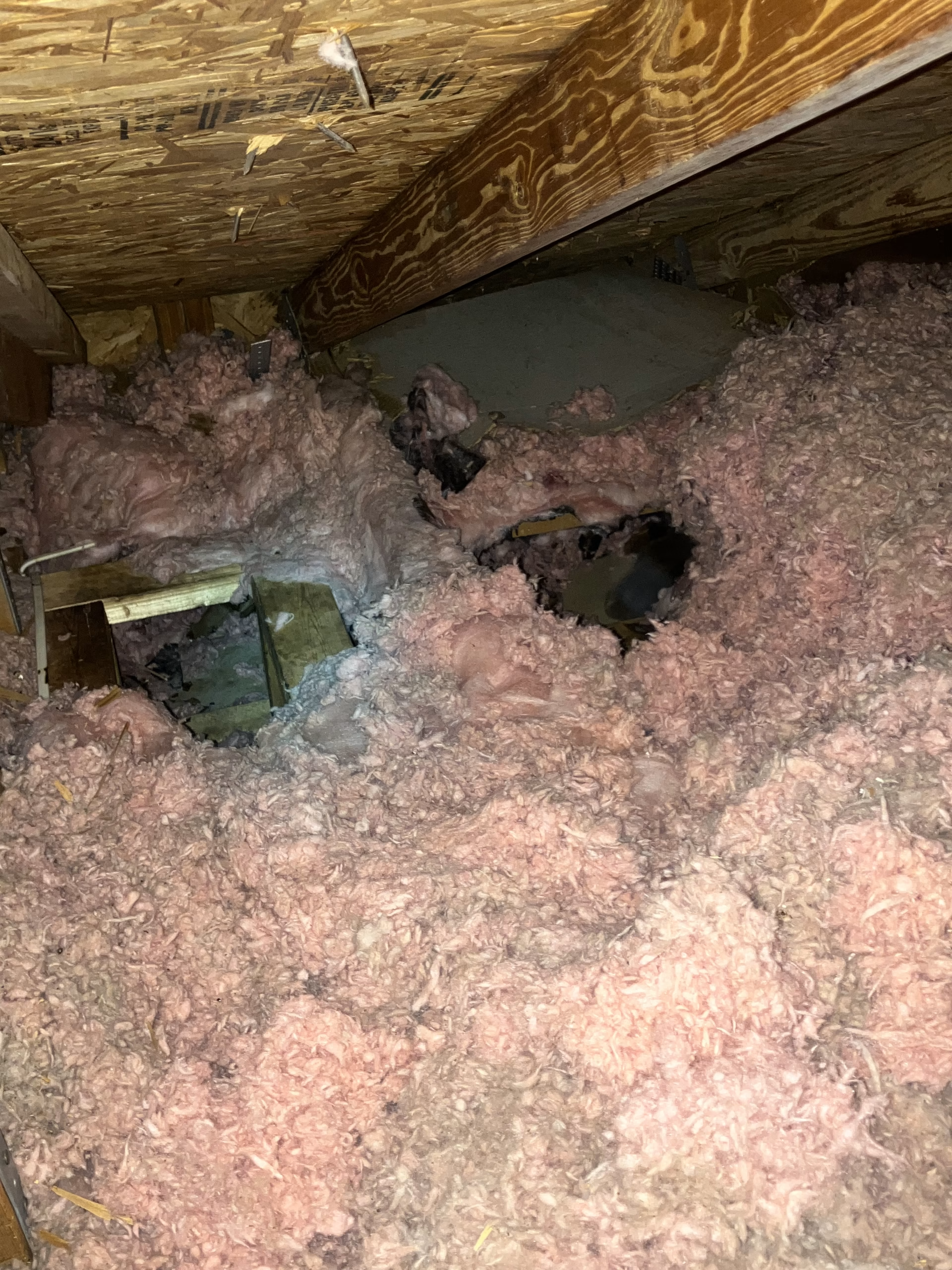
Home insulation plays a key role in keeping your property energy-efficient, comfortable, and protected from temperature changes. However, wildlife such as rats, bats, raccoons, and squirrels often target insulation as a nesting and hiding space. Once inside, they can quickly damage large sections and create serious hygiene and structural issues. What starts as minor activity can turn into costly repairs if ignored. Understanding how wildlife affects insulation helps you take early action and protect your home effectively.
Why Wildlife Targets Home Insulation
Wildlife often enters homes in search of warmth, safety, and shelter from predators or harsh weather conditions. Insulation provides a soft, hidden, and insulated environment that is ideal for nesting and breeding. Materials like fiberglass and foam are easily disturbed and shaped into nesting areas. Attics and wall cavities offer quiet and undisturbed spaces, making them even more attractive. Once animals settle in, they can rapidly expand the damage over time if not controlled early.
Also Read: How Rodents Damage Electrical Wiring and Insulation
Common Wildlife That Damage Insulation
- Rats and mice that chew and burrow through insulation layers
- Squirrels that tear insulation for nesting and hidden pathways
- Bats that leave droppings and contaminate attic insulation
- Raccoons that destroy large sections while creating entry points
- Birds that displace insulation while building nests in roof spaces
- Opossums that disturb insulation while searching for shelter
Signs Your Insulation Is Damaged by Wildlife
- Uneven or flattened insulation in attic or wall spaces
- Strong ammonia-like or musky odors inside the home
- Droppings, nesting material, or debris mixed in insulation
- Unusual scratching or movement sounds inside walls or ceilings
- Sudden increase in energy bills due to insulation loss
- Visible entry holes or disturbed roof and vent areas
Helpful for you: Ways to Animal-Proof Your Clermont Home
How Wildlife Damages Home Insulation
Nesting and Burrowing Activity
Wildlife often pushes into insulation layers to create warm and hidden nesting spaces. This disturbs the structure and reduces insulation efficiency over time. Continuous nesting leads to large damaged areas that require replacement.
Contamination From Droppings and Urine
Animals leave droppings and urine inside insulation, creating strong odors and health risks. These contaminants spread quickly in enclosed attic spaces. In severe cases, insulation becomes unsafe and must be removed completely.
Chewing and Tearing Materials
Rodents and squirrels often chew insulation materials while creating pathways or nesting zones. This weakens insulation layers and reduces thermal performance. Over time, it leads to higher energy costs and structural exposure.
Helpful for you: Protecting Your Central Florida Home from Flying Squirrels
Moisture Build-Up and Mold Growth
Wildlife activity can introduce moisture into insulation through urine and leaks. This creates ideal conditions for mold growth inside attic spaces. Mold further damages insulation and affects indoor air quality.
Airflow Blockage in Attic Spaces
Damaged insulation can block proper airflow and ventilation in the attic. This affects temperature regulation inside the home. Poor airflow also increases humidity levels, making conditions worse for long-term damage.
You may Also Like: Protect Your Central Florida Home from Roof Rats
Risks of Ignoring Insulation Damage
- Increased heating and cooling costs due to energy loss
- Structural weakening of attic and wall insulation systems
- Health risks from bacteria, droppings, and airborne particles
- Mold growth affects indoor air quality and safety
- Rapid spread of wildlife infestation inside the home
- Expensive insulation replacement and repair costs
How to Protect Your Home’s Insulation From Wildlife
Seal Entry Points Around the Home
Inspect and seal all gaps, cracks, and roof openings where wildlife can enter. Even small holes can allow rodents or bats inside. Proper sealing is the first step in long-term prevention.
Install Protective Mesh on Vents
Use strong mesh covers on attic vents, chimneys, and roof openings. This prevents animals from entering while allowing proper airflow. It is one of the most effective long-term solutions.
Keep Attic Spaces Clean and Dry
A clean attic reduces attraction for nesting wildlife. Remove old items, debris, and stored waste materials regularly. Dry conditions also discourage mold and infestation buildup.
Must Read: Attic Clean Up Process and Why It’s Important
Trim Trees Near Rooflines
Branches close to your roof act as natural bridges for wildlife. Trimming them reduces access points to your attic. This simple step significantly lowers infestation risk.
Regular Attic Inspections
Inspect your attic every few months for early signs of wildlife activity. Look for droppings, noises, or disturbed insulation. Early detection prevents major damage and costly repairs.
Proper Waste Management Around Property
Keep garbage bins sealed and avoid leaving food outside. Open waste attracts rodents, raccoons, and birds. Good sanitation reduces wildlife presence around your home.
Install Wildlife Deterrents
Use deterrent devices such as lights, sounds, or repellents in high-risk areas. These discourage animals from approaching your roof or attic. Combine with physical barriers for best results.
Schedule Professional Wildlife Inspection
Professional inspection helps identify hidden entry points and early infestation signs. Experts can also assess insulation damage and recommend safe solutions. This ensures long-term protection of your home.
Why Professional Wildlife Control Is Important
Wildlife damage to insulation often spreads deeper than what is visible on the surface. Professionals understand animal behavior and can safely remove them without causing further damage. They also clean contaminated insulation and seal all entry points properly. Choosing expert wildlife control ensures complete removal and prevents future infestations. It also helps restore insulation efficiency and indoor safety.
Conclusion
Protecting your home’s insulation from wildlife is essential for maintaining energy efficiency, safety, and long-term structural health. Early detection and preventive steps can save you from costly repairs and contamination issues. By sealing entry points, maintaining cleanliness, and scheduling inspections, you can significantly reduce risks. When needed, professional wildlife control ensures your home stays fully protected and damage-free.
FAQs
What animals damage home insulation the most?
Rats, squirrels, bats, raccoons, and birds are the most common animals that damage insulation by nesting and contaminating it.
How do I know if my insulation is damaged?
Signs include bad odors, droppings, uneven insulation, higher energy bills, and scratching noises in walls or ceilings.
Can damaged insulation be repaired?
Light damage can sometimes be cleaned, but heavily contaminated insulation usually needs full replacement for safety.
Is wildlife insulation damage dangerous?
Yes, it can lead to health risks from bacteria, mold, and airborne contaminants, especially in enclosed attic spaces.
Should I call professionals for insulation damage?
Yes, professionals can safely remove wildlife, clean contamination, and prevent future infestations effectively.