
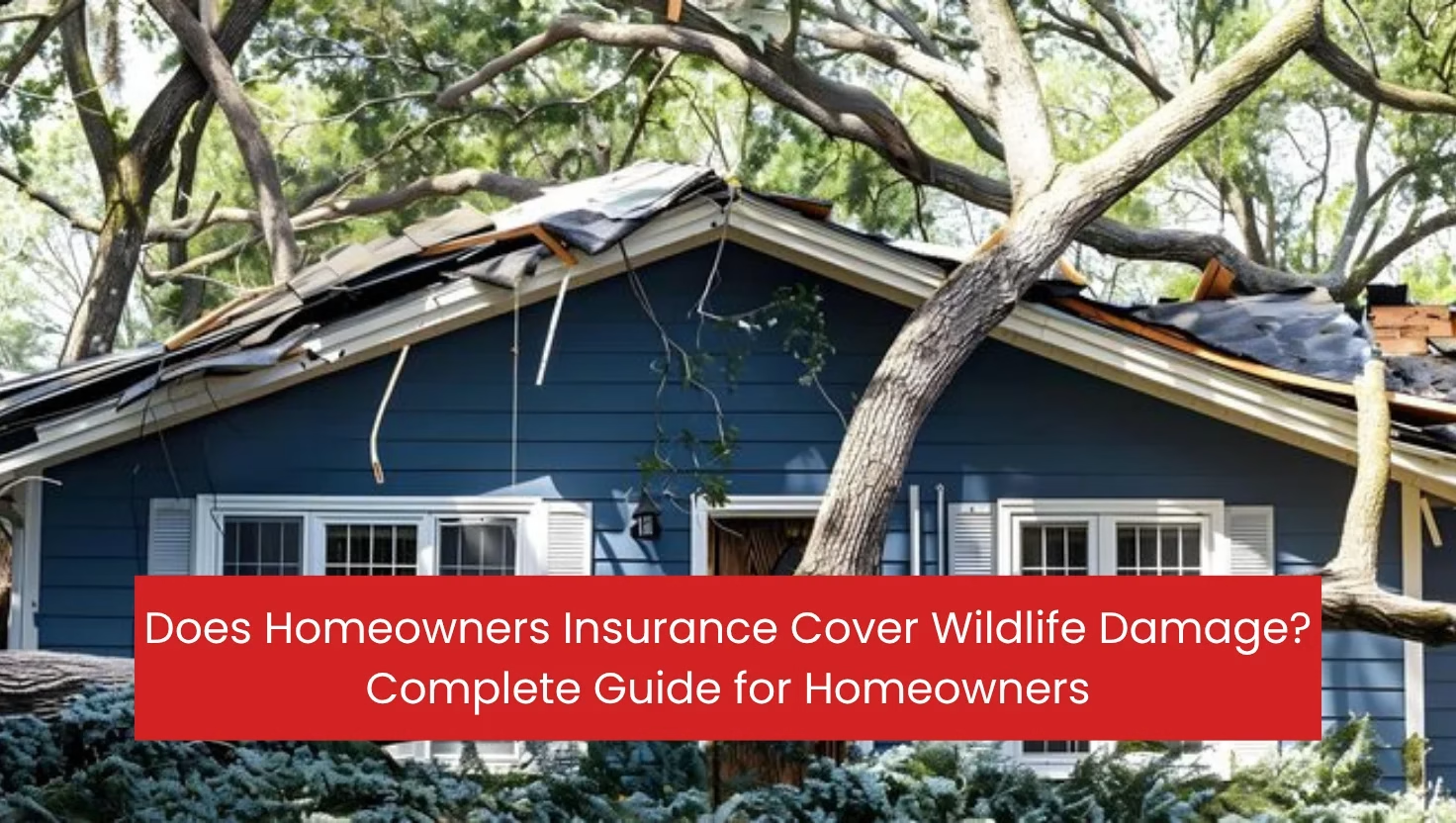
Wildlife damage can strike a home unexpectedly. From raccoons in the attic to squirrels chewing on electrical wires, the costs of repairs can quickly add up. Many homeowners wonder whether their insurance policies will cover these incidents. Understanding what is and isn’t covered by homeowners insurance is crucial for protecting your property, preventing further infestations, taking timely preventive measures such as sealing entry points or installing barriers, and avoiding expensive out-of-pocket repairs or safety hazards. Being informed about coverage options and knowing how to file claims correctly can save time, money, and stress for homeowners facing wildlife damage.
What Is Considered Wildlife Damage?
Wildlife damage refers to physical harm caused by wild animals to your home, personal property, or landscaping. Common culprits include squirrels, raccoons, birds, snakes, deer, and rodents. Examples of wildlife damage include:
- Gnawed electrical wiring
- Roof or attic damage
- Damage to walls or structural components
- Garden and yard destruction
Knowing what qualifies as wildlife damage helps homeowners determine if they can file a claim and avoid surprises when dealing with insurance policies.
Common Types of Wildlife Damage to Your Home
1. Roof and Attic Damage
Raccoons, squirrels, and birds often tear shingles, chew beams, or nest in attics. This can compromise your roof’s structural integrity, cause leaks, attract more pests, and lead to costly repairs. Regular inspections, sealing entry points, removing nests promptly, installing mesh barriers, trimming nearby trees, checking for moisture buildup, ensuring proper ventilation, installing attic screens, reinforcing weak areas, and scheduling annual professional inspections help prevent severe damage, maintain home safety, and protect insulation and roofing materials from long-term deterioration.
2. Electrical Wiring Damage
Rodents frequently chew wires, creating short circuits, fire hazards, and expensive electrical repairs. Damaged wiring may also lead to power outages, appliance malfunctions, and higher fire risk. Installing protective covers, performing routine electrical inspections, removing wildlife immediately, keeping attic and wall spaces clean, using deterrents, consulting licensed electricians, maintaining safe wire routing, securing exposed wires, and checking for hidden damage regularly help safeguard your home, reduce sudden electrical emergencies, and protect family safety.
Must Read: Rodents damage Electrical Wiring and Insulation
3. Insulation Damage
Animals nesting in attics or walls can destroy insulation, reducing energy efficiency and increasing heating or cooling costs. Damaged insulation may also cause moisture buildup, mold growth, and higher utility bills. Regular monitoring, sealing gaps, removing wildlife promptly, maintaining proper ventilation, checking insulation annually, using pest-resistant insulation materials, keeping attics clean, repairing damaged areas immediately, and using insulation covers or barriers helps restore energy efficiency, prevent health hazards, and maintain a safe, comfortable indoor environment throughout the year.
4. Wall and Structural Damage
Wildlife can gnaw, scratch, or dig into walls, siding, or foundations, potentially weakening your home’s structure. Structural damage compromises safety, increases repair costs, and may invite more pests or water intrusion. Early detection, professional repairs, preventive sealing, monitoring walls, attics, and foundations regularly, using wildlife deterrents, maintaining drainage around the home, reinforcing weak spots, and keeping vegetation trimmed near walls are crucial to protect structural integrity, prevent escalation, and maintain long-term property value.
5. Plumbing and Pipe Damage
Raccoons, squirrels, and rodents can chew on pipes, causing leaks, flooding, and water damage inside your home. Plumbing problems may disrupt water pressure, encourage mold growth, and require costly repairs. Conducting regular inspections, installing protective barriers, removing wildlife promptly, sealing gaps, maintaining plumbing systems, insulating exposed pipes, addressing minor leaks early, installing pipe guards, and checking hidden connections helps reduce the risk of extensive water damage, protect personal property, and ensure a safe and functional home environment.
helpful For You: Preventing Wildlife instructions while youre away for the Holidays
6. Door and Window Damage
Animals can chew door frames, window screens, and other entry points, allowing wildlife inside your home. This compromises security, increases energy loss, and creates breeding grounds for pests. Reinforcing doors, installing screens or protective covers, sealing gaps, conducting regular inspections, trimming vegetation near entrances, using deterrents, installing motion sensors, and applying repellents helps maintain home safety, improve energy efficiency, prevent repeated wildlife intrusion, and minimise ongoing repair costs.
7. Garden and Landscaping Damage
Deer, rabbits, squirrels, and other wildlife may destroy plants, flowers, lawns, or fences, affecting yard health and aesthetics. They can dig soil, eat seedlings, trample plants, and damage decorative features, causing extra maintenance costs. Installing fencing, using repellents, planting wildlife-resistant species, maintaining garden areas, monitoring regularly, applying natural deterrents, securing vulnerable features, using netting over plants, and checking for burrows helps protect landscaping investments, minimise frustration, and maintain a safe, attractive, and functional outdoor space.
8. HVAC and Vent Damage
Wildlife entering vents can block airflow, damage heating and cooling systems, and reduce indoor comfort and air quality. Obstructions may increase energy bills, produce odors, and strain HVAC equipment. Installing vent covers, sealing openings, monitoring attics and crawl spaces, scheduling routine inspections, using wildlife deterrents, cleaning vents regularly, checking duct work integrity, reinforcing vent openings, and inspecting insulation near ducts helps prevent costly repairs, maintain system efficiency, improve indoor air quality, and extend HVAC lifespan while avoiding energy waste.
You may also like: What is Animal Wildlife Removal
9. Fire and Water Damage Caused by Wildlife
Chewed wires or damaged plumbing can indirectly trigger fires or flooding, which may be covered by insurance if sudden and accidental. Such events destroy property, threaten safety, and require expensive emergency repairs. Proactive wildlife prevention, routine inspections, timely repair of damaged areas, keeping flammable materials secure, ensuring proper electrical and plumbing maintenance, installing smoke detectors, addressing leaks early, reinforcing wiring, and cleaning debris reduces risks and protects your home from severe, unexpected damage while safeguarding family members and valuable possessions.
10. Personal Property Damage
Wildlife can damage items stored in garages, basements, or sheds, including furniture, tools, electronics, and other belongings. Damage occurs through chewing, scratching, or nesting, leading to replacement costs and potential loss of valuable items. Using proper storage containers, elevating items off the ground, removing wildlife promptly, sealing entry points, monitoring storage areas regularly, applying repellents, keeping the space clean, covering valuables, and using pest-proof storage helps protect personal property, minimize financial loss, and maintain organization, hygiene, and safety in storage areas for long-term protection.
Homeowners Insurance and Coverage Basics
Most standard homeowners insurance policies cover sudden, accidental damage caused by wildlife. Typical coverage includes:
- Fire and water damage caused indirectly by animals
- Structural damage to walls, roofs, and siding
- Certain personal property damage
However, there are common exclusions:
- Pest infestations, including termites, ants, or rodents
- Damage caused by neglect or lack of maintenance
- Gradual damage over time
It’s important to read your policy carefully to understand which types of wildlife damage are covered.
Does Insurance Cover Wildlife Damage?
Homeowners insurance usually covers sudden and accidental damage caused by wild animals. For example:
- Covered: A raccoon tearing through your attic, causing structural damage.
- Not Covered: Termites or rodents gradually chewing through wiring over months.
Coverage depends on the nature of the damage and whether it is sudden or long-term. Policies differ, so contacting your insurance provider is essential for clarification.
Types of Wildlife Damage Often Covered
Commonly covered wildlife damage includes:
- Structural damage to walls, roofs, and siding
- Plumbing or electrical damage caused by wildlife
- Fire or water damage indirectly triggered by animals
- Optional endorsements or riders that expand coverage for animal-related incidents
Types of Wildlife Damage Usually Not Covered
Damage that is generally excluded from standard policies includes:
- Long-term damage caused by neglect
- Pest infestations such as termites, ants, or bedbugs
- Minor cosmetic damage
- Outdoor property damage, such as to gardens or fences (may require separate coverage)
Filing a Claim for Wildlife Damage
If you experience wildlife damage, follow these steps to increase the likelihood of a successful claim:
- Document the damage – Take clear photos and note dates.
- Keep receipts – Save records for any emergency repairs or inspections.
- Contact your insurance provider promptly – Early reporting helps prevent claim denial.
- Work with adjusters – Provide all evidence and cooperate with the inspection process.
- Prevent further damage – Temporarily secure your home to stop additional harm.
Conclusion
Understanding how homeowners insurance handles wildlife damage is essential for protecting your property and avoiding unexpected costs. Sudden, accidental damage is often covered, while long-term or preventable damage is usually excluded. Homeowners should review their policies, take preventive measures such as sealing entry points and trimming trees, document any damage thoroughly, and contact their insurer immediately if damage occurs to ensure proper claim handling and minimise repair expenses. Staying proactive and maintaining your home regularly can further reduce the likelihood of wildlife damage and help ensure insurance claims are successful when needed.
FAQs
Does homeowners insurance cover squirrel damage?
Sudden and accidental damage caused by squirrels, such as chewed wiring, may be covered. Long-term infestations usually are not.
Are raccoons in the attic covered by insurance?
Yes, if they cause sudden damage to your home. However, insurance typically does not cover the cost of removing animals as a preventive measure.
Does insurance cover garden damage caused by wildlife?
Most standard homeowners insurance policies do not cover outdoor landscaping or garden damage.
Are rodent infestations covered?
No, standard policies generally exclude pest and rodent infestations.
Can I add extra coverage for wildlife damage?
Yes, optional endorsements or riders can provide broader coverage for wildlife-related incidents.