
Many people see mice as tiny pests that sneak into homes, nibbling on food and scurrying through walls at night. However, there’s much more to these little creatures than meets the eye. Beyond being household nuisances, mice have a fascinating role in nature and science. But an interesting question often comes up — are mice really rodents, or are they part of a different animal group altogether? Mice share many physical and behavioral traits with other small mammals, such as sharp incisors and rapid reproduction, yet they also possess unique qualities that set them apart. From their incredible adaptability to their importance in scientific research and medicine, mice have earned a special place in both the natural world and human studies. In this blog, we’ll explore their scientific classification, habits, and how they compare with other rodents. By the end, you’ll clearly understand what makes mice special and why they are one of the most studied animals on Earth.
What Are Mice?
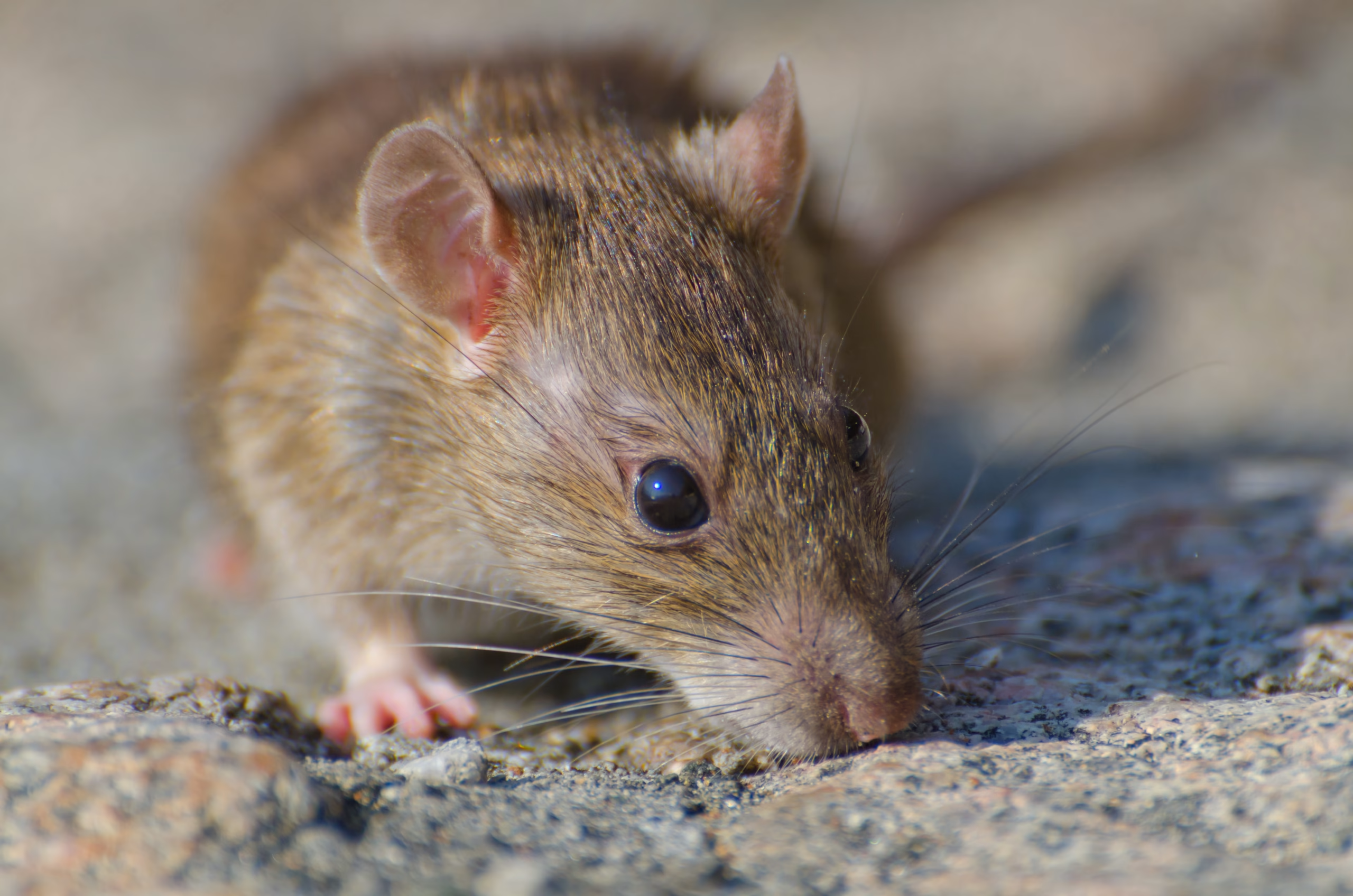
Mice are small, soft-furred mammals found almost everywhere in the world. They have pointed noses, large round ears, and long tails. Their size and quick movements make them skilled at escaping predators. Mice are highly adaptable and can live in forests, fields, or even human homes. They eat grains, seeds, fruits, and leftover food. Their curiosity and ability to survive in tough conditions make them one of the most successful small animals on the planet.
Are Mice Rodents?
Yes, mice are rodents. They belong to the Rodentia order, which also includes animals like rats, squirrels, and chipmunks. Like all rodents, mice have strong front teeth that never stop growing. They must keep chewing to prevent these teeth from getting too long. This gnawing behavior is a major sign of true rodents. Their teeth are designed to bite through wood, plastic, and even food packaging, helping them survive in almost any environment.
Key Differences Between Mice and Other Rodents
10. Body Size and Weight
Mice are smaller and lighter than most rodents. An average mouse weighs less than 30 grams, while rats and squirrels are much heavier. Their small bodies allow them to squeeze through tiny spaces and move quickly. This size difference also affects how they build nests and escape from predators. Because of their light weight, mice can climb walls, fit through cracks, and hide easily in furniture or kitchen corners.
Must Read: How to Avoid Rodent Infestation in Apartment Buildings
9. Tail Shape and Length
Mice have long, thin tails that help them balance while climbing and running. In contrast, squirrels have bushy tails, and rats have thicker, scaly ones. The mouse’s tail plays a big role in their agility and movement through tight areas. It also helps regulate body temperature. Their tails act like stabilizers, allowing them to move fast and stay balanced even on narrow ledges or wires.
8. Ear Size and Placement
Mice have large, round ears compared to their body size, giving them excellent hearing. This helps them detect danger or locate food even in the dark. Many other rodents, like hamsters or rats, have smaller ears or different shapes suited to their environments. The sensitive hearing of mice helps them communicate with high-pitched sounds and react instantly to nearby movement or predators.
Must Read: Why Rodents Love Commercial Property
7. Movement Style and Agility
Mice move quickly and can climb, jump, and crawl through narrow spaces. They are known for their flexible bodies and fast reflexes. Squirrels are great climbers, while rats are more ground-based. The mouse’s agility helps it survive in homes and fields alike. Their speed and ability to squeeze through tiny openings make them excellent escape artists and hard to trap or catch.
6. Habitat and Living Patterns
Mice live almost anywhere — from open fields to crowded cities. They build nests using paper, cloth, or grass. Other rodents, like chipmunks, prefer burrows or trees. Mice’s ability to adjust makes them one of the most adaptable species in the rodent family. Whether it’s rural barns, urban apartments, or storage areas, mice can quickly create comfortable shelters for living and breeding.
Helpful Foryou: How to Get Rid of Rodents in Wall
5. Diet and Eating Habits
Mice eat a wide range of foods, including grains, fruits, seeds, and even crumbs from human kitchens. This flexible diet helps them live anywhere. Many other rodents have more limited diets based on their habitats. Mice prefer carbohydrate-rich food but will eat almost anything available. Their constant gnawing keeps their teeth healthy and helps them access food stored in containers or cupboards.
4. Behavior Toward Humans
Mice often live near humans for warmth and food, which makes them more visible than most wild rodents. Some species have even adapted to household life. Squirrels and chipmunks, on the other hand, prefer staying outdoors. Mice show curiosity and boldness around human areas. Although they avoid direct contact, their presence can cause hygiene issues and spread germs through droppings and food contamination.
3. Reproduction Rate
Mice breed very quickly. A single pair can produce dozens of offspring in a year. This fast reproduction helps them survive despite predators but also makes them hard to control indoors. Other rodents usually have slower breeding cycles. Female mice can give birth every few weeks, and their young mature in less than a month, leading to large infestations if not managed quickly.
Must Read: Do Rodent Repellents Work
2. Cleanliness and Nesting Habits
Although they seem messy, mice clean themselves frequently. They make soft nests from materials they find around. However, their droppings and nesting habits can still cause hygiene issues in homes. Mice are naturally tidy in their personal grooming, which helps them avoid parasites. But their nesting spots—often hidden in walls or cabinets—can carry harmful bacteria and unpleasant smells.
1. Impact on Human Homes and Property
Mice are known for chewing on wires, clothes, and food packaging, which can cause damage. Unlike chipmunks or squirrels, they prefer living close to humans. Their presence indoors often leads to pest problems if not controlled early. They can ruin stored food, damage insulation, and even cause electrical fires. Identifying early signs like droppings or gnawed holes is key to preventing infestations.
You May Also Like:
- Is a Raccoon a Rodent?
- Is a Hamster a Rodent?
- Are Bats Rodents?
- Are Squirrels Rodents?
- Are Rabbits Rodents?
- Is a Ferret a Rodent?
- Is a Beaver a Rodent?
- Are Possums Rodents?
Why Mice Are Considered Rodents
- They belong to the Rodentia order.
- Their front teeth grow continuously.
- They chew to keep their teeth from overgrowing.
- Their skull and jaw structure match rodent features.
- Their diet and behavior fit rodent patterns.
- They reproduce and build nests like other rodents.
Conclusion
Mice are true rodents with unique qualities that make them stand out. Their strong teeth, quick movements, and adaptability help them live almost anywhere. While they often become pests inside homes, they also play an important role in nature as seed spreaders and prey for larger animals. Mice are intelligent, social, and vital to both the environment and scientific research. Despite their small size, they have a big impact on the world around us.
FAQs
Are mice and rats the same?
No, rats are larger with thicker tails, while mice are smaller and lighter.
Why do mice chew everything?
Their front teeth grow constantly, so they chew to keep them short and sharp.
How long do mice live?
Mice usually live about one to two years in the wild.
Are mice harmful to humans?
Yes, they can spread diseases and damage food or property if not managed.
Do mice make good pets?
Yes, some species like fancy mice are friendly and easy to care for as pets.