
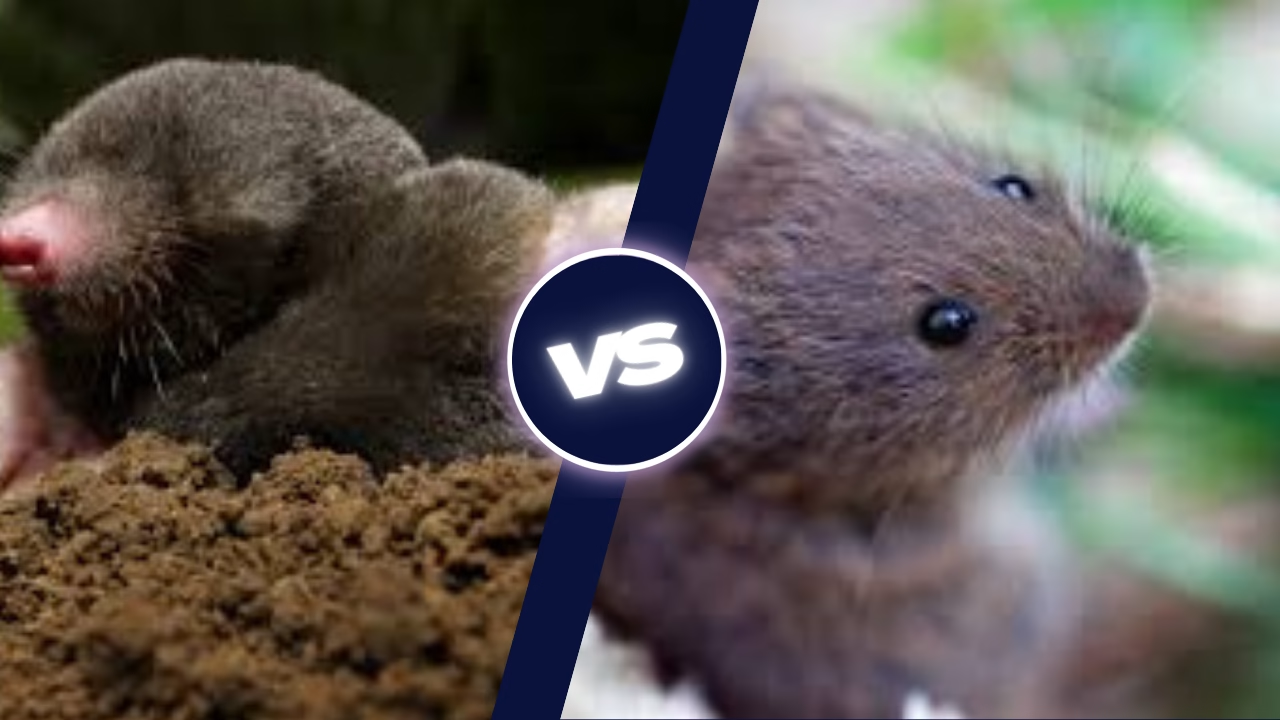
Voles and moles are often confused because of their small size, similar burrowing habits, and frequent underground activity, but they are very different animals with distinct behaviours, diets, and ecological roles. Correctly identifying them is crucial for homeowners and gardeners, as it allows for selecting the most effective and targeted management strategies. While both are small mammals, voles are primarily herbivorous rodents that feed on roots, bark, and seeds, whereas moles are insectivorous burrowers that control insect populations, making their overall impact on lawns, gardens, and landscaping significantly different.
What Are Voles?
Voles are small, stocky rodents with short tails and coarse brown or grayish fur, which helps them blend into grassy and wooded environments. They inhabit lawns, gardens, fields, and edges of forests, where they create shallow surface runways to forage efficiently. Voles feed on roots, bark, seeds, bulbs, and a variety of garden plants, which can lead to significant damage if left unchecked. Their nests are often made from grass and other plant material, and they tend to live in small colonies or family groups, making them more noticeable and easier to detect than subterranean moles.
What Are Moles?
Moles are burrowing mammals with elongated, streamlined bodies, powerful forelimbs, and long, pointed snouts specialised for digging and navigating underground tunnels efficiently. They spend most of their lives below the surface, creating extensive tunnel networks to hunt insects, grubs, worms, and other soil-dwelling prey. While they rarely consume plants, their constant digging disrupts soil structure, forming raised ridges, molehills, and uneven lawns that can affect garden aesthetics and landscaping. Moles are solitary, highly secretive, and primarily active underground.
Differences Between Voles and Moles – Behavioural and Physical
1. Size and Body Shape
Voles have small, stocky, rodent-like bodies, usually only a few inches long, which makes them agile on the surface and easy to spot in grassy areas. Moles are elongated and built for digging, with powerful forelimbs and streamlined bodies designed to move efficiently through soil. Their overall shape directly reflects their primary lifestyle: surface activity for voles and extensive underground burrowing for moles, making each species uniquely adapted to its environment.
2. Fur and Colour
Voles have coarser fur that is brown or grayish, helping them blend into grassy environments and providing minimal protection from the elements. Moles have dense, velvety fur that allows them to move easily through tunnels without soil clinging to their bodies, enhancing their digging efficiency. Fur texture, colour, and density are key identifiers between the two animals and can help gardeners and homeowners distinguish them during inspections.
3. Head and Snout
Voles have blunt noses designed for foraging near the soil surface and locating food like seeds, roots, and small plants. Moles have long, pointed snouts filled with sensitive tactile sensors, perfect for navigating underground tunnels and detecting prey such as worms and grubs. The snout differences are one of the easiest and most reliable ways to tell them apart, especially when observing their feeding or digging behaviour.
Must Read: Is a Vole Rodent
4. Eyes and Ears
Voles have visible eyes and ears that allow them to detect predators and navigate above-ground environments effectively. Moles have tiny, almost hidden eyes and ears, an adaptation that allows them to stay mostly underground and rely heavily on touch and vibration instead of vision. This contrast in sensory organs highlights their differing lifestyles: surface activity and alertness for voles versus subterranean efficiency for moles.
5. Tunnelling Habits
Moles create extensive underground tunnels primarily for hunting insects and rarely surface except to create noticeable molehills or ridges in lawns. These tunnels allow moles to travel safely, hunt efficiently, and avoid predators. Voles, on the other hand, use shallow runways near the surface for foraging, often moving across lawns, garden beds, and grassy areas. Their shallow pathways are more visible and can cause noticeable damage to plants and small landscaping features.
Helpful For You: Facts You Didn’t Know about Moles
6. Diet
Moles are insectivores, feeding primarily on worms, grubs, and other soil-dwelling insects, which helps control pest populations but can disturb soil structure. Voles are herbivores, consuming roots, bark, seeds, bulbs, and various garden plants, making them more destructive to lawns, flower beds, and young trees. Their feeding habits can result in significant plant damage, including dead patches of grass, gnawed bark, and destroyed garden crops if left un-managed.
7. Activity Patterns
Moles are solitary animals that remain mostly underground, active throughout the day and night within their tunnel networks. Their subterranean lifestyle keeps them hidden and reduces the chances of encounters with humans. Voles are more surface-active and frequently move above ground during the day or evening, often travelling in small colonies or family groups. This increased surface activity makes vole damage to plants, lawns, and garden structures more noticeable and easier to detect.
8. Damage to Lawns and Gardens
Moles create raised ridges and molehills from extensive tunnelling, which disrupts soil structure, aeration, and the smooth appearance of lawns. Their activity can also expose roots and create uneven surfaces that affect garden aesthetics. Voles, on the other hand, chew on plants, bark, bulbs, and roots, leaving shallow runways and visible garden damage that can kill young plants and damage shrubs. Observing these differences carefully helps homeowners accurately identify which animal is causing the damage and choose the most effective control strategy.
Also Read: Mole Damage to your Yard Mole Damage to Homes
9. Nesting and Burrows
Moles live in deep underground burrows used both for hunting insects and as shelter from predators and weather. Their tunnel systems are extensive and primarily hidden beneath the soil surface. Voles construct shallow nests from grass, leaves, and plant material, often near garden edges, under shrubs, or in piles of debris. Recognising the depth, location, and construction of these burrows and nests can help gardeners determine whether they are dealing with moles or voles and implement appropriate preventive measures or removal techniques.
10. Droppings and Other Indicators
Voles leave small, pellet-like droppings near their shallow runways, nests, or areas where they forage, which can indicate high rodent activity. Moles rarely leave droppings above ground; their presence is mostly indicated by raised ridges, molehills, or displaced soil in gardens and lawns. Paying attention to these subtle signs, along with tunnel patterns and visible plant damage, allows homeowners to accurately identify the species and take timely action to prevent further damage.
Differences Between Voles and Moles – In a Nutshell
| Feature | Voles | Moles |
|---|---|---|
| Size & Body Shape | Small, stocky, rodent-like bodies. Usually a few inches long and active on the surface. | Elongated bodies with powerful forelimbs built for digging underground. |
| Fur & Colour | Coarse brown or grayish fur that blends with grass and soil. | Dense, velvety fur that allows smooth movement through tunnels. |
| Head & Snout | Short, blunt nose used for foraging seeds, roots, and plants near the surface. | Long, pointed snout with sensitive sensors for detecting insects underground. |
| Eyes & Ears | Clearly visible eyes and ears for detecting predators above ground. | Very small, almost hidden eyes and ears adapted for underground life. |
| Tunnelling Habits | Shallow surface runways in lawns and garden beds. | Deep underground tunnel systems with visible molehills or ridges. |
| Diet | Herbivores that eat roots, bark, seeds, bulbs, and garden plants. | Insectivores that feed on worms, grubs, and soil insects. |
| Activity Patterns | Often active above ground during the day or evening and may live in small colonies. | Mostly solitary and active underground both day and night. |
| Damage to Lawns & Gardens | Chew plants, roots, bark, and bulbs, causing plant death and garden damage. | Create raised ridges and molehills that disturb soil and lawn structure. |
| Nesting & Burrows | Build shallow nests using grass and plant material near surface areas. | Live in deep underground burrows and extensive tunnel networks. |
| Droppings & Signs | Leave small pellet-like droppings near runways and feeding areas. | Rarely leave droppings above ground; presence shown by soil mounds and ridges. |
When to Call a Professional
If vole or mole activity continues even after trying DIY solutions, the problem may require professional help. Extensive tunnel systems and repeated damage to lawns, gardens, and landscaping often indicate a larger infestation that needs expert attention. In such situations, working with a wildlife removal company in Florida can save time and prevent further property damage. At Wildout Animal and Pest Control, our trained specialists conduct detailed inspections to locate entry points, identify underground activity, and understand the extent of the infestation. We use safe and humane removal methods to handle nuisance wildlife while protecting your yard, plants, and surrounding structures. Our team also focuses on long-term prevention. We repair damaged areas, block potential entry points, and recommend proven strategies that help stop moles and voles from returning. With Wildout Animal and Pest Control, you get reliable, professional wildlife solutions designed to keep your property, family, and pets safe.
Conclusion
While voles and moles may appear similar at first glance, they differ significantly in appearance, behaviour, diet, and overall impact on gardens and lawns. Voles damage plants, gnaw on roots and bark, and create shallow surface runways, while moles primarily dig extensive underground tunnels and help control insect populations. Correct identification is critical for effective pest management and choosing the most appropriate control methods. Using preventive strategies, DIY measures, and professional help ensures a healthy garden, safe property, and minimal structural or landscaping damage from these small mammals over time.
FAQs
Can moles and voles live in the same garden?
Yes, both can inhabit the same area, but their activity patterns differ.
Which one is more harmful to plants?
Voles are more harmful because they feed on roots, bark, and seeds.
How can I tell if my lawn has voles or moles?
Shallow runways and chewed plants indicate voles; raised ridges and molehills indicate moles.
Are voles or moles dangerous to humans or pets?
No, they are not harmful but can cause property or garden damage.
When should I call a professional for removal?
Call a wild removal professional if DIY methods fail or infestations are severe and damaging property.