
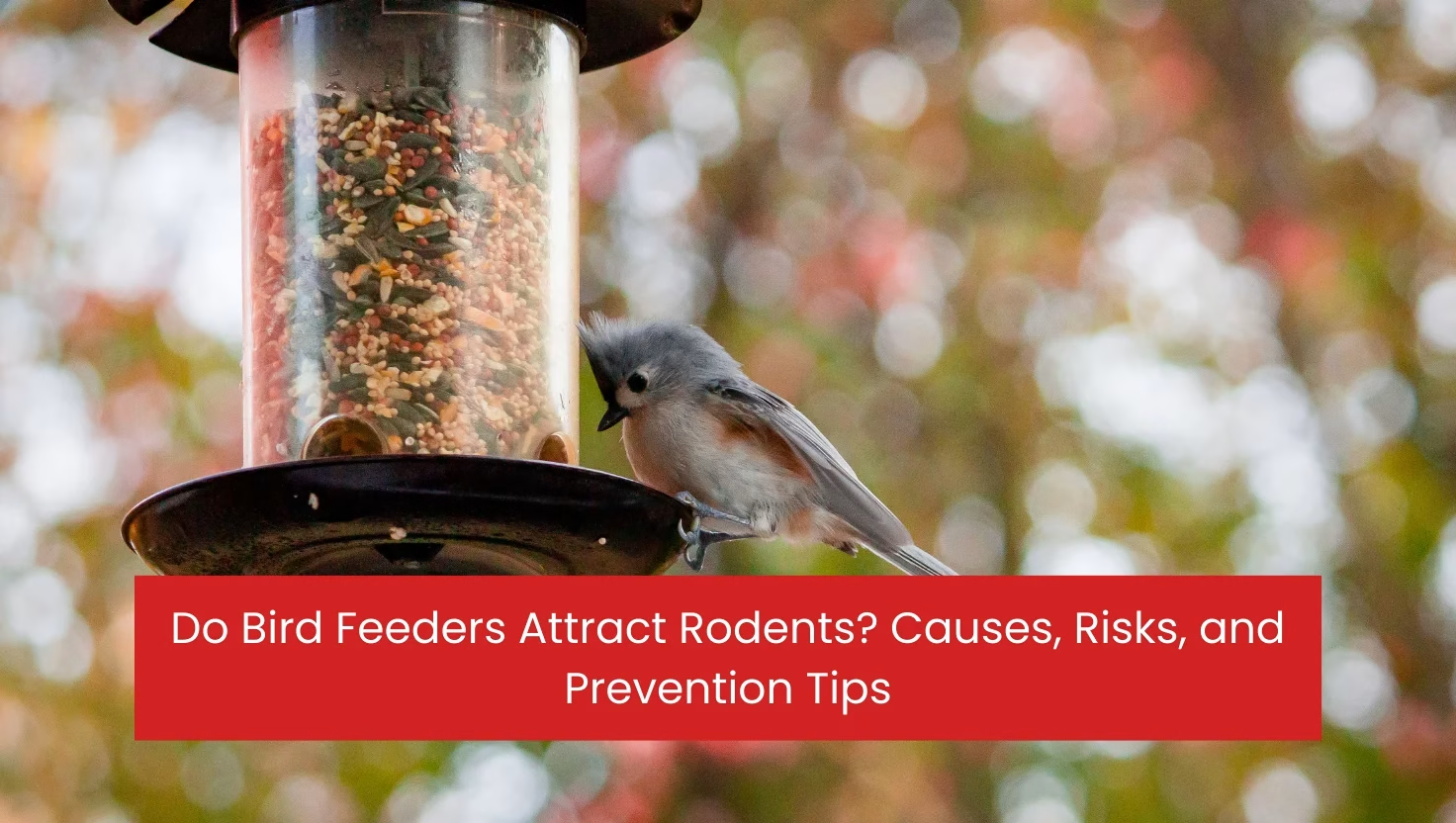
Many backyard bird enthusiasts worry that feeding birds might also attract unwanted visitors like mice or rats. Bird feeders provide a steady supply of food, and spilled seeds on the ground can easily lure rodents. While feeding birds is safe, it’s important to understand why rodents are drawn to feeders and how to minimize the risk. Proper management can allow you to enjoy watching birds without creating a rodent problem.
Why Bird Feeders Attract Rodents
Bird feeders can attract rodents for several reasons. Spilled seeds on the ground provide an easy and consistent food source. The strong smell of birdseed draws rodents from nearby areas. Feeders placed close to shrubs, trees, or sheds give rodents safe shelter while they forage. Rodents are opportunistic creatures, so any reliable, high-calorie food source is a magnet. Regularly cleaning the area around feeders is essential to prevent them from becoming a hotspot for rodents.
What Types of Rodents Are Attracted
Common rodents that may be attracted to bird feeders include:
- Mice – Small, agile, and capable of squeezing through tight spaces.
- Rats – Larger and more cautious, often active at night.
- Squirrels – Known for raiding feeders, although not strictly rodents in the pest sense.
- Chipmunks – Ground-foragers that quickly find spilled seeds.
- Voles – Small rodents that often burrow near seed spill areas.
Each type has unique behavior patterns that make prevention and control slightly different.
Also Read: Deadliest Diseases Rodents Carry
How Rodents Find Bird Feeders
1. Strong Sense of Smell
Rodents have an excellent sense of smell and can detect seeds and bird food from a long distance. Even small amounts of spilled seed are enough to draw them in. Their olfactory abilities make them highly efficient at locating feeders. They can detect not only the food itself but also the scent of other rodents feeding nearby, which increases the likelihood of repeated visits. This keen sense of smell also allows them to identify which types of seeds or nuts are most plentiful, making feeders a preferred food source over natural foraging areas. Over time, rodents can even distinguish between fresh and old spilled seeds, targeting the most nutritious options first.
2. Following Bird Activity
Rodents often watch birds visit feeders and learn where the food is. The presence of active birds signals a reliable source of food, making it easier for rodents to pinpoint exact locations. They quickly observe patterns in feeding times, bird behavior, and seed availability, allowing them to exploit the feeder with minimal effort. By studying the birds’ routines, rodents can predict when feeders will be full, giving them a strategic advantage in accessing fresh seeds before birds finish. This observational behavior allows rodents to adapt quickly if feeder locations or schedules change.
3. Nighttime Foraging
Many rodents, such as mice and rats, are nocturnal. They explore bird feeders under the cover of darkness, which is why missing seeds or chewed areas are often noticed in the morning. Darkness offers protection from predators, and rodents can forage quietly without being disturbed, making nighttime a prime feeding period. Nighttime activity also reduces competition from other animals and birds, allowing rodents to consume larger amounts of seed undisturbed. Rodents may also use the quiet of night to drag seeds to nearby burrows for storage.
Helpful for you: How to get rid of rodents?
4. Memory of Food Sources
Rodents have a strong memory for consistent food sources. Once they discover a feeder, they tend to return regularly, creating a recurring problem if seed spills or placement isn’t addressed. This ability to remember food locations over weeks or months allows them to optimize their foraging efficiency. They can even navigate complex paths or obstacles to reach the feeder, showing impressive spatial memory skills that make prevention more challenging. Some rodents can remember multiple feeder locations across a yard or neighborhood, expanding their feeding territory.
5. Following Trails
Rodents leave scent trails when moving toward food. Other rodents can detect these trails and follow them directly to feeders, increasing traffic and reinforcing the problem. These chemical trails act as a map, guiding multiple rodents to high-value food sources efficiently. Even if the original rodent is no longer present, new rodents can follow the same paths to the feeder, creating a self-sustaining rodent network in your yard. Trails can remain active for days, making areas around feeders consistently attractive to visiting rodents.
Must Read: Rodent Scat Identification Guide
6. Attraction to Seed Spills
Spilled seeds on the ground are easier to access than food inside a feeder. Rodents are naturally drawn to the easiest and most accessible food sources, making ground-fed areas more vulnerable. Even minor spills under trays or below hanging feeders can create persistent problems if not cleaned promptly. Over time, rodents learn where the largest accumulations of spilled seeds occur, which makes them frequent and persistent visitors. Continuous seed availability encourages rodents to establish nearby nests for easier access.
7. Hearing Bird Sounds
Rodents can detect movement and chirping from birds. The sound of birds eating can alert nearby rodents to the feeder’s location, prompting them to investigate quietly. Over time, rodents learn to associate bird calls with the presence of food, increasing their foraging efficiency. Sounds of flapping wings or rustling feathers may also help rodents locate feeders from a distance, even in thick vegetation or low light. This auditory cue can make feeders attractive even when visual detection is limited.
8. Observing Human Behavior
Rodents are smart and notice when humans refill feeders. They learn to time their visits when new seeds are likely added, increasing the chances of frequent visits. This behavior demonstrates their adaptability and ability to exploit predictable patterns in human activity for easy access to food. Rodents can even watch and wait in nearby hiding spots until fresh food is available, showing patience and problem-solving skills. They may also adjust the time of their visits to coincide with quieter periods when humans are less likely to notice.
You may also like: Best Home Remedies for Keeping Rodents Away
9. Using Vegetation as Cover
Rodents often approach feeders by using nearby shrubs, bushes, or tall grass for protection. This allows them to forage safely while avoiding predators, making feeders close to cover more attractive. Cover also provides hiding spots while they eat, encouraging longer feeding sessions and repeated visits. Vegetation can also act as a corridor, allowing rodents to travel unnoticed from one feeder to another or even into homes or sheds. Dense cover nearby increases both the frequency and duration of rodent visits.
10. Following Other Rodents
Rodents are social and will often follow other rodents to a food source. Once one finds a feeder, others may join quickly, creating a small rodent “network” around your backyard feeding station. This communal behavior amplifies the problem, as more animals can locate the feeder even without direct observation. Over time, this social foraging can establish a regular rodent population around your feeding area, making early prevention extremely important. These networks can persist for months, making feeders a consistent attraction unless preventive measures are taken.
Conclusion
Bird feeders can attract rodents, but they do not automatically create a rodent problem. The main issue is usually spilled seed, easy ground access, and nearby shelter. Rodents are intelligent, adaptable, and quick to return once they find a reliable food source. With proper feeder placement, regular cleaning, and simple prevention strategies, you can continue enjoying backyard birdwatching without encouraging mice, rats, or other unwanted visitors. A little maintenance goes a long way in keeping your yard both bird-friendly and rodent-free.
FAQs
Do bird feeders always attract mice and rats?
No, bird feeders do not always attract rodents. Problems usually occur when seeds spill on the ground or feeders are placed near shelter like shrubs or sheds.
Are squirrels considered a rodent problem?
Squirrels are rodents, but they are generally seen as nuisance wildlife rather than pests like rats or mice. They mainly raid feeders rather than invade homes.
How can I stop rodents from eating spilled seed?
Clean under feeders regularly, use seed catch trays, and avoid overfilling feeders. You can also place feeders at least 10–12 feet away from dense vegetation.
Should I stop feeding birds if I see rodents?
Not necessarily. First, adjust feeder placement, reduce seed waste, and improve cleaning habits. In many cases, better management solves the issue.
What type of bird seed attracts fewer rodents?
Shelled seeds (like hulled sunflower seeds) create less mess and leave fewer scraps on the ground, reducing attraction for rodents.
Do rodents climb bird feeder poles?
Yes, mice and rats can climb poles. Using baffles or smooth metal poles can help prevent climbing access.