
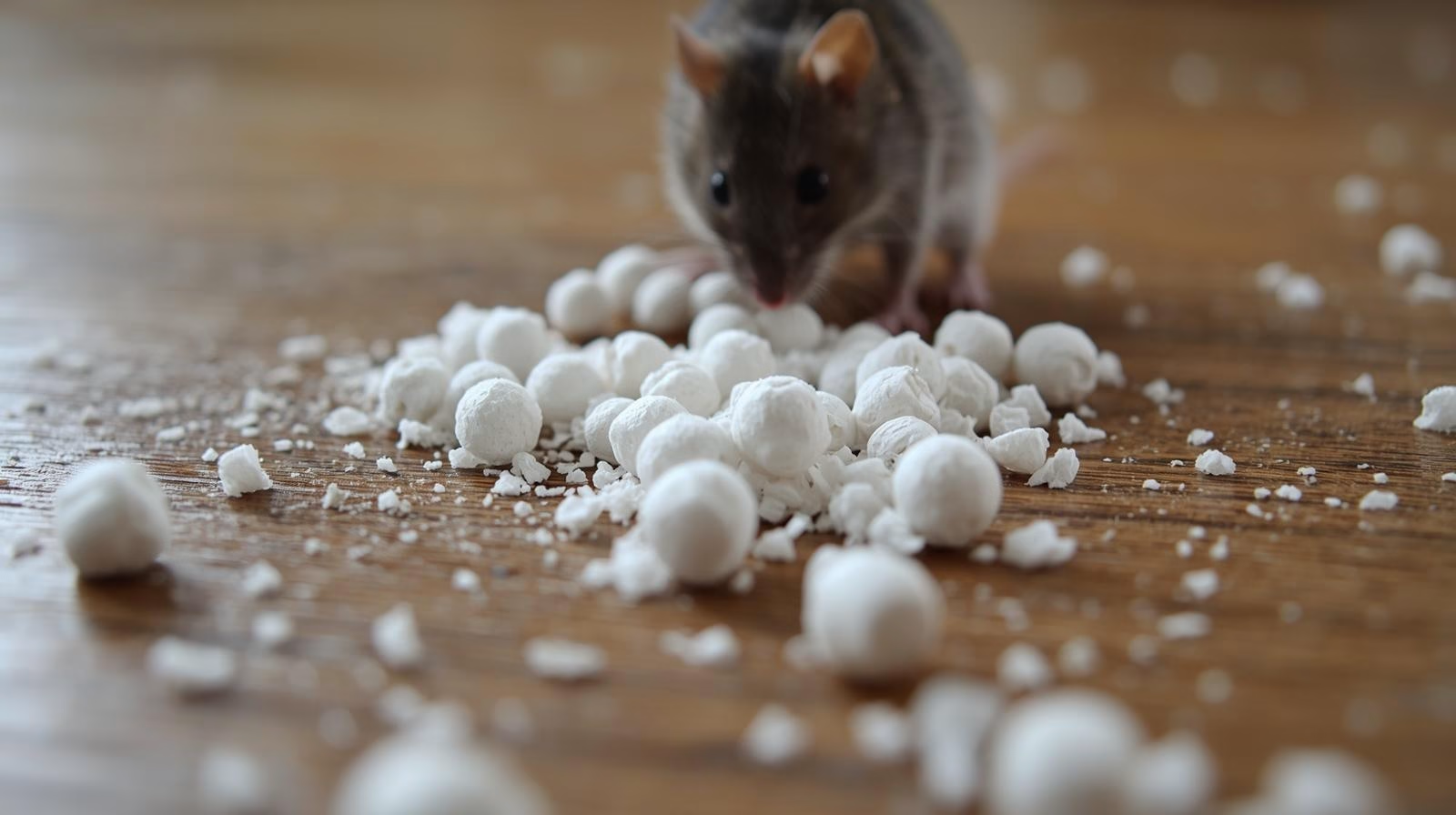
Rodents are among the most frustrating home pests — chewing wires, contaminating food, and spreading diseases that can harm your family and pets. Once they find shelter inside your home, they multiply quickly and can cause significant damage in no time. Because of this, homeowners often look for easy and inexpensive ways to get rid of them. One common household item people try is mothballs, known for their strong, pungent odor. Many believe that this smell can drive rodents away, leading to the common question — do mothballs keep rodents away? It’s a popular idea that has been passed down for generations, but is it truly effective or just an old myth? In this article, we’ll explore how mothballs actually work, whether they really keep rodents away, and the potential health and safety risks of using them indoors.
What Are Mothballs?
Mothballs are small, round pesticide balls made from chemicals such as naphthalene or paradichlorobenzene. Originally, they were designed to protect stored clothes from moths and insects. Their strong, distinct smell is a result of toxic fumes released as they slowly turn from solid to gas. While these fumes can kill moth larvae in sealed containers, they are not meant for open spaces — especially not for deterring rodents.
How Mothballs Are Supposed to Work Against Rodents
10. The Strong Odor Theory
People believe the strong smell of mothballs drives rodents away. The scent may irritate rodents temporarily, but it doesn’t last long enough to force them to leave completely. Rodents often return once the smell fades or when food is nearby. In reality, the odor’s effectiveness depends on air circulation, humidity, and rodent species — meaning it’s inconsistent and unreliable. Even strong-smelling mothballs cannot overpower a rodent’s natural attraction to warmth and food sources.
Helpful Foryou: How to Get Rid of Rodents
9. Chemical Fumes Acting as Repellents
The vapors released from mothballs contain toxic compounds that can affect small insects. However, rodents are much larger and more resilient, so these fumes don’t work effectively as repellents in open air. For the fumes to repel or harm rodents, their concentration would need to be dangerously high for humans and pets. These chemicals lose strength quickly when exposed to air, making them unsuitable for long-term control or large open spaces like garages or basements.
8. Temporary Behavioral Change
Mice or rats may briefly avoid areas where mothballs are placed. Yet this behavior fades quickly once they realize the smell poses no real threat. Over time, rodents adapt to it, reducing its supposed effectiveness. Studies show that rodents’ survival instincts push them to overcome mild discomfort if it means accessing food or nesting spots. This adaptability makes mothballs a short-term and unreliable solution for keeping them away.
Must Read: Deadliest Diseases Rodents Carry
7. Misuse in Open Spaces
Mothballs were made for sealed containers, not open areas. Using them in basements, attics, or garages reduces their power dramatically. The gases disperse too quickly to impact rodents. In outdoor or semi-open environments, wind and temperature changes dilute the fumes within hours. This means mothballs can’t maintain the chemical strength required to influence rodent behavior. Their design simply doesn’t support wide-area pest control beyond protecting stored fabrics from insects.
6. False Sense of Security
Homeowners may assume that placing mothballs around entry points keeps rodents out. This can delay real pest control measures, allowing infestations to worsen over time. The illusion of safety often leads people to ignore crucial prevention steps like sealing gaps, storing food properly, and using traps. While the smell might seem strong initially, it fades quickly, giving rodents the perfect chance to return. This misplaced trust often makes infestations harder and costlier to fix later.
Must Read: Why Rodents Love Commercial Property
5. Misunderstanding the Science
People often confuse insect repellents with rodent repellents. Mothballs are designed for moths and larvae — completely different species. No scientific study proves that they repel or harm rodents effectively. In fact, major health and pest agencies warn against their misuse. Rodents rely on different sensory triggers than insects, so chemicals that affect moths have no meaningful impact on mammals like rats or mice. This misunderstanding is one of the biggest reasons mothballs remain a persistent myth.
4. Rodents’ Adaptability
Rodents are intelligent creatures with strong survival instincts. Even if they dislike the smell at first, hunger and nesting needs often outweigh discomfort, leading them back to the same areas. Over time, rodents learn that mothballs pose no real danger, similar to how they adapt to traps or repellents. Their ability to adjust behavior based on experience makes mothballs ineffective. In short, the scent alone can’t compete with the biological drive for food and shelter.
3. Limited Range of Effect
The odor from mothballs only works within a small radius — usually inside a box or closed container. In open spaces, it spreads too thinly to affect rodents, making it almost useless as a repellent. Even in semi-enclosed spaces, airflow quickly reduces the concentration of fumes below effective levels. To have any measurable impact, the area would need to be airtight, which is impractical for real-world use. Thus, mothballs offer no real protection in open environments.
You may also like: Best Home Remedies for Keeping Rodents Away
2. Lack of Long-Term Impact
Even when rodents avoid an area briefly, they soon return. Mothballs don’t disrupt their breeding, food sources, or shelter, which are the real factors behind infestations. Because the effect is purely sensory and temporary, it fails to alter rodent population dynamics. Once the odor fades, the rodents resume normal activity as if nothing happened. Long-term solutions require environmental control, sanitation, and entry-point management — none of which mothballs address.
1. Health and Safety Concerns
The chemical strength needed to repel rodents would be dangerous for humans. Breathing concentrated fumes can cause headaches, nausea, and even poisoning, making mothballs a risky option for rodent control. In poorly ventilated rooms, toxic gases can accumulate, especially affecting children and pets. Long-term exposure is linked to liver and kidney damage, according to medical reports. Therefore, using mothballs outside of their intended purpose creates more harm than benefit for households.
Must Read: Do Rodent Repellents Work?
Do Mothballs Really Keep Rodents Away?
No, mothballs do not effectively keep rodents away. Studies and pest control experts agree that mothballs offer little to no protection against mice or rats. The strong smell may cause mild discomfort for a short time, but it doesn’t stop rodents from returning. In fact, to achieve a truly repellent level of concentration, you’d need so many mothballs that the air would become toxic for humans and pets. Simply put, mothballs are an unsafe and unreliable solution for rodent control.
Dangers of Using Mothballs Indoors
- Release toxic vapors that can harm humans and pets.
- Causes headaches, dizziness, and breathing issues when inhaled.
- Contaminate clothing, food, and indoor air.
- May lead to chemical poisoning, especially for children or small animals.
- Illegal to use for rodent control according to pest safety guidelines.
Effective Alternatives to Mothballs for Rodent Control
| Alternative Method | How It Works | Pros | Cons | Best Use Case |
|---|---|---|---|---|
| Peppermint Oil | Strong natural scent irritates rodents’ noses, discouraging them from entering treated areas. | Natural and safe for humans and pets; pleasant smell. | Needs frequent reapplication; limited effectiveness in large spaces. | Best for small indoor areas like kitchens, attics, or pantries. |
| Ultrasonic Repellents | Emit high-frequency sounds that disturb rodents but are inaudible to humans. | Easy to use and non-toxic. | Rodents may adapt over time; requires electricity. | Ideal for garages, basements, and storage rooms. |
| Steel Wool or Copper Mesh | Blocks entry points that rodents use to enter your home. | Long-lasting and highly effective; no chemicals. | Must identify and seal all gaps properly. | Best for sealing wall gaps, vents, and holes around pipes. |
| Snap Traps or Electronic Traps | Lure rodents with bait and capture or kill them instantly. | Provides clear results; reusable and easy to monitor. | Needs to be checked regularly; may not prevent new rodents. | Effective for active infestations in confined spaces. |
| Rodent Bait Stations | Attract rodents to poison bait in a secure, tamper-proof box. | Controls large infestations; works even when you’re not home. | Requires caution around pets and kids; slow-acting. | Best for outdoor areas or severe infestations. |
| Vinegar or Ammonia Spray | The sharp scent repels rodents from treated areas. | Affordable and easy to make at home. | Smell fades quickly; needs frequent reapplication. | Useful for temporary rodent prevention near entry points. |
| Professional Pest Control | Experts identify infestation sources and apply targeted treatments. | Long-term and reliable results; ensures safety. | More expensive than DIY methods. | Best for heavy infestations or when home remedies fail. |
Conclusion
While mothballs may seem like an easy solution, they do not effectively repel rodents. Their fumes are too weak to drive away rats or mice and too dangerous for indoor use. Instead of relying on myths, it’s safer to seal entry points, use traps, maintain cleanliness, and explore natural repellents like peppermint oil or ultrasonic devices. Choosing smarter, safer methods will keep your home rodent-free without risking your health.
FAQs
Do mothballs repel rats and mice?
No. The smell might annoy them temporarily, but mothballs do not provide a lasting or reliable repellent effect.
Are mothballs safe to use indoors?
No. Mothballs release harmful vapors that can cause nausea, breathing problems, and poisoning if used in open spaces.
What smell do rodents actually hate?
Rodents dislike strong natural scents like peppermint oil, vinegar, and ammonia — safer alternatives for repelling them.
Can mothballs kill rodents?
No. The chemicals in mothballs aren’t strong enough to kill rodents without posing serious risks to humans and pets first.
What’s the best way to keep rodents away safely?
Seal holes and cracks, use traps, store food securely, and consider natural or professional pest control methods instead of mothballs.