
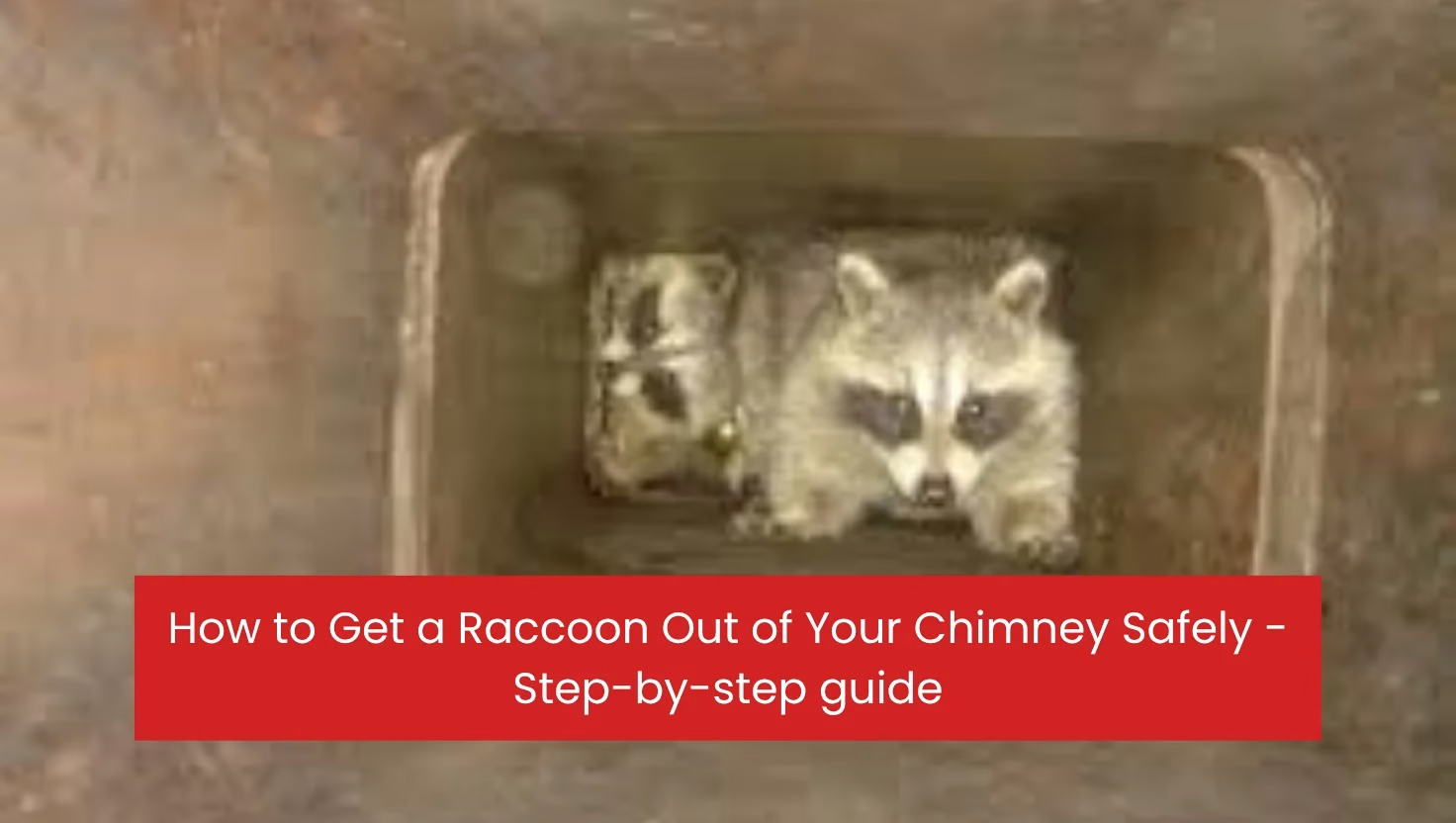
Discovering a raccoon in your chimney can be alarming and stressful. These animals often seek out chimneys because they resemble hollow trees, offering warmth, safety, and a secure place to nest—especially during breeding season. However, a raccoon in your chimney can cause loud noises, unpleasant odors, structural damage, and even fire hazards. Acting quickly and using safe, humane methods is essential to protect both your home and the animal. This guide will walk you through step-by-step solutions to remove a raccoon safely and prevent it from returning. Understanding raccoon behaviour and following proper techniques will help you handle the situation effectively while avoiding unnecessary risks or complications.
Why Raccoons Enter Chimneys?
Raccoons are naturally drawn to chimneys because they closely resemble their natural nesting environments, such as hollow tree trunks. Chimneys provide a dark, enclosed, and elevated space that offers protection from predators and harsh weather. Female raccoons, in particular, often choose chimneys to give birth and raise their young safely. Easy access from nearby trees, rooftops, or structures makes chimneys an ideal entry point. Once inside, raccoons can settle in quickly, making early detection important to avoid a full infestation.
Must Read: How to Get Rid of Raccoons
Signs You Have a Raccoon in Your Chimney
Identifying a raccoon early can help prevent serious damage. Common signs include:
- Loud scratching, thumping, or movement noises, especially at night
- Chirping or whining sounds, which may indicate baby raccoons
- Strong, unpleasant odors from droppings or nesting materials
- Debris falling into the fireplace or visible nesting materials
- Occasional sightings of the raccoon near your roof or chimney
Recognizing these signs early allows you to take action before the situation worsens.
Dangers of Having a Raccoon in Your Chimney
A raccoon in your chimney is not just an inconvenience—it can pose several risks:
- Fire Hazards: Nesting materials can block airflow and increase fire risk
- Structural Damage: Raccoons may scratch or damage chimney liners and walls
- Health Risks: Droppings and parasites can spread diseases
- Aggressive Behavior: A trapped or threatened raccoon may become defensive
Addressing the issue promptly helps reduce these risks and protects your home.
Immediate Safety Precautions
Before attempting removal, follow these safety steps:
- Never light a fire in the fireplace
- Avoid direct contact with the animal
- Keep children and pets away from the area
- Close off the fireplace opening to prevent entry into your home
- Wear protective gloves and a mask if inspecting the chimney
Taking these precautions reduces the chance of injury or contamination.
Step-by-Step Methods to Remove a Raccoon from Your Chimney
1. Confirm the Presence of a Raccoon
Listen carefully for noises and inspect the chimney from a safe distance. Avoid climbing or placing yourself in danger while checking. Look for signs like scratching sounds, movement at night, or debris falling into the fireplace. You can also check the roof area for tracks or droppings. Confirming the animal type ensures you use the correct and safest removal method without unnecessary risk, confusion, or accidental harm to other wildlife species. Careful observation at different times of the day can improve accuracy and help plan the most effective removal strategy.
2. Identify If Babies Are Present
If you hear chirping or whining sounds, baby raccoons may be inside. In such cases, removal must be handled carefully to avoid separating the mother from her young. Check for nesting behaviour, especially during spring. Removing the mother without the babies can lead to distress, noise, and odor problems. Always consider humane timing or professional help when dealing with raccoon families in confined spaces or difficult-to-access chimney areas. Taking time to confirm this step prevents complications and ensures a safer, more humane removal process overall.
Helpful For You: Are Raccoons Dangerous
3. Create a Safe Exit Path
Open the damper or ensure the chimney pathway is clear so the raccoon can leave on its own without feeling trapped. Make sure there are no obstructions blocking the exit, and avoid sudden disturbances. Providing a clear and calm escape route encourages the raccoon to leave naturally. This reduces stress for the animal and minimises the risk of aggressive behaviour, panic, or additional structural damage inside your chimney system.
A calm and quiet environment further increases the chances of the raccoon exiting without resistance or delay.
4. Use Bright Lights or Noise
Raccoons prefer dark, quiet spaces. Introducing light or noise can make the chimney uncomfortable, encouraging the animal to leave naturally. Place a bright light near the fireplace or use a radio to create continuous sound. Keep these deterrents active for several hours or overnight. This method is humane and effective, especially when combined with a clear exit path and minimal disturbance from household activities during the removal process. Consistency in using light and sound deterrents significantly improves the likelihood of successful raccoon removal.
5. Install a One-Way Exclusion Door
A one-way door allows the raccoon to exit but prevents it from re-entering. This is one of the most effective and humane removal methods. Install it securely at the chimney opening after confirming no babies are inside. Monitor the situation for a few days to ensure the raccoon has left. This solution works well for long-term control and prevents repeated entry attempts or new wildlife from occupying the same space. Proper installation and regular monitoring ensure the exclusion device functions effectively without causing harm to the animal.
You may also like: Why you need to remove raccoons from your Residence
6. Use Natural Deterrents
Strong smells like ammonia can discourage raccoons. Place deterrents carefully near the chimney area to encourage relocation. Soak rags in ammonia or use commercial natural repellents and position them near the fireplace opening. Reapply as needed to maintain effectiveness. While not a standalone solution, natural deterrents can support other removal methods and help create an environment that raccoons consistently avoid returning to over time. Combining deterrents with cleaning and sealing entry points enhances their effectiveness and long-term results significantly.
7. Avoid Harmful Methods
Do not attempt to smoke out or burn the raccoon. These methods are dangerous, inhumane, and can damage your home. Lighting a fire can trap or injure the animal and create serious fire hazards. Avoid using poisons or traps inside the chimney as well. Always choose humane, safe techniques that protect both your property and the animal while complying with local wildlife regulations and responsible pest control practices. Using safe methods also reduces legal risks and ensures ethical handling of wildlife in residential areas.
8. Remove Nesting Materials Safely
Once the raccoon leaves, clean out nesting materials using protective gear to avoid contamination. Wear gloves, masks, and long sleeves while handling debris. Remove all materials, including fur, droppings, and food remains. Disinfect the area thoroughly to eliminate odors and bacteria. Proper cleaning prevents future infestations and ensures your chimney remains safe, hygienic, and fully functional for regular household use throughout the year. Thorough sanitation also helps eliminate lingering scents that might attract other animals back to the same location.
Must Read: Tips to help with your Raccoon Problem
9. Inspect for Damage
Check the chimney liner, cap, and surrounding structure for any signs of damage that need repair. Look for cracks, blockages, or loosened components caused by the raccoon. Repair any issues immediately to prevent further problems. Regular inspections after removal ensure your chimney remains functional, safe, and protected from future wildlife intrusion, weather-related wear, or long-term structural deterioration issues. Early repairs can save significant costs and prevent minor damage from turning into major structural problems later.
10. Install a Chimney Cap After Removal
Once the raccoon has safely left, install a sturdy, properly fitted chimney cap to prevent future entry. Choose a metal cap with a secure mesh design that allows ventilation while blocking animals. Ensure it is tightly fixed and weather-resistant. A chimney cap acts as a long-term preventive solution, protecting your home from raccoons, birds, and other wildlife attempting to enter again and causing similar problems. Regularly inspect the chimney cap to ensure it remains secure and effective against weather and potential animal interference.
You May Also Like: How to Get Rid of a Raccoon in Your Backyard
How to Prevent Raccoons from Returning
1. Install a Chimney Cap
A chimney cap is one of the most effective ways to prevent animals from entering. It acts as a physical barrier while allowing proper ventilation. Choose a durable, rust-resistant metal cap with a secure mesh design, and ensure it is tightly fitted. Regularly inspect and maintain the cap to prevent damage from weather, ensuring long-term protection against raccoons and other wildlife. Installing a chimney cap also helps prevent rain, debris, and leaves from entering your chimney, reducing maintenance needs and fire hazards.
2. Trim Trees Near Roof
Cut back branches that give raccoons easy access to your roof and chimney. Maintain at least 4–6 feet of clearance between trees and your home. Remove climbing vines and dense vegetation that provide cover. Regular trimming not only prevents access but also reduces the likelihood of other pests reaching your roof or attic area. Consistent tree maintenance also improves sunlight exposure and airflow around your home, making it less attractive to raccoons and other wildlife.
Must Read: Is a Raccoon a Rodent?
3. Seal Roof and Vent Openings
Inspect your home for gaps, cracks, or openings and seal them properly to block entry points. Pay close attention to vents, chimneys, soffits, and roof edges. Use strong materials like steel mesh or weather-resistant sealants. Regular inspections help identify new openings early and ensure your home remains protected from wildlife intrusion. Sealing openings also prevents drafts, improves energy efficiency, and protects your attic from water damage or mold caused by exposed gaps.
4. Maintain Clean Surroundings
Secure trash bins, remove food sources, and keep your yard clean to avoid attracting raccoons. Store garbage in tightly sealed containers, clean up fallen fruits or pet food, and avoid leaving leftovers outside. A clean environment reduces attraction, discourages wildlife activity, and supports other preventive measures to keep your home safe. Additionally, regularly mowing your lawn and clearing brush or woodpiles can reduce hiding spots and make your property less inviting to raccoons and other pests.
How Wildout Can Help You?
If the raccoon does not leave, if baby raccoons are present, or if you are concerned about safety, it is best to call professionals. At Wildout, raccoon removal services in Florida are exactly what we provide. Our team has the right tools, experience, and knowledge to remove raccoons safely and handle nesting situations with care. We inspect hidden areas, identify entry points, and ensure no animals are left behind. After removal, we repair and seal access points to prevent future infestations. Our professional service reduces the risk of injury, property damage, and recurring problems, giving homeowners a safe, humane, and long-term solution.
Conclusion
Removing a raccoon from your chimney requires patience, safety, and the right approach. Humane methods that encourage the animal to leave naturally are always the best option. By following proper removal steps and taking preventive measures such as installing chimney caps, trimming nearby trees, and sealing entry points, you can protect your home from future invasions. Maintaining clean surroundings and monitoring your attic or roof regularly further reduces the risk of wildlife returning. When in doubt, professional help ensures the problem is handled safely, effectively, and with minimal stress for both homeowners and the animal.
FAQs
Can I remove a raccoon from my chimney myself?
Yes, but only if you use safe and humane methods. Avoid risky or harmful techniques.
Is it safe to light a fire to remove a raccoon?
No, this is dangerous, inhumane, and can cause serious damage or injury.
How long will a raccoon stay in a chimney?
Raccoons may stay for days or even weeks, especially if they are nesting or have babies.
What time of year are raccoons most likely to enter chimneys?
Spring is the most common time, as female raccoons look for safe places to give birth.
Do chimney caps really prevent raccoons
Yes, chimney caps are highly effective and one of the best long-term prevention solutions.