
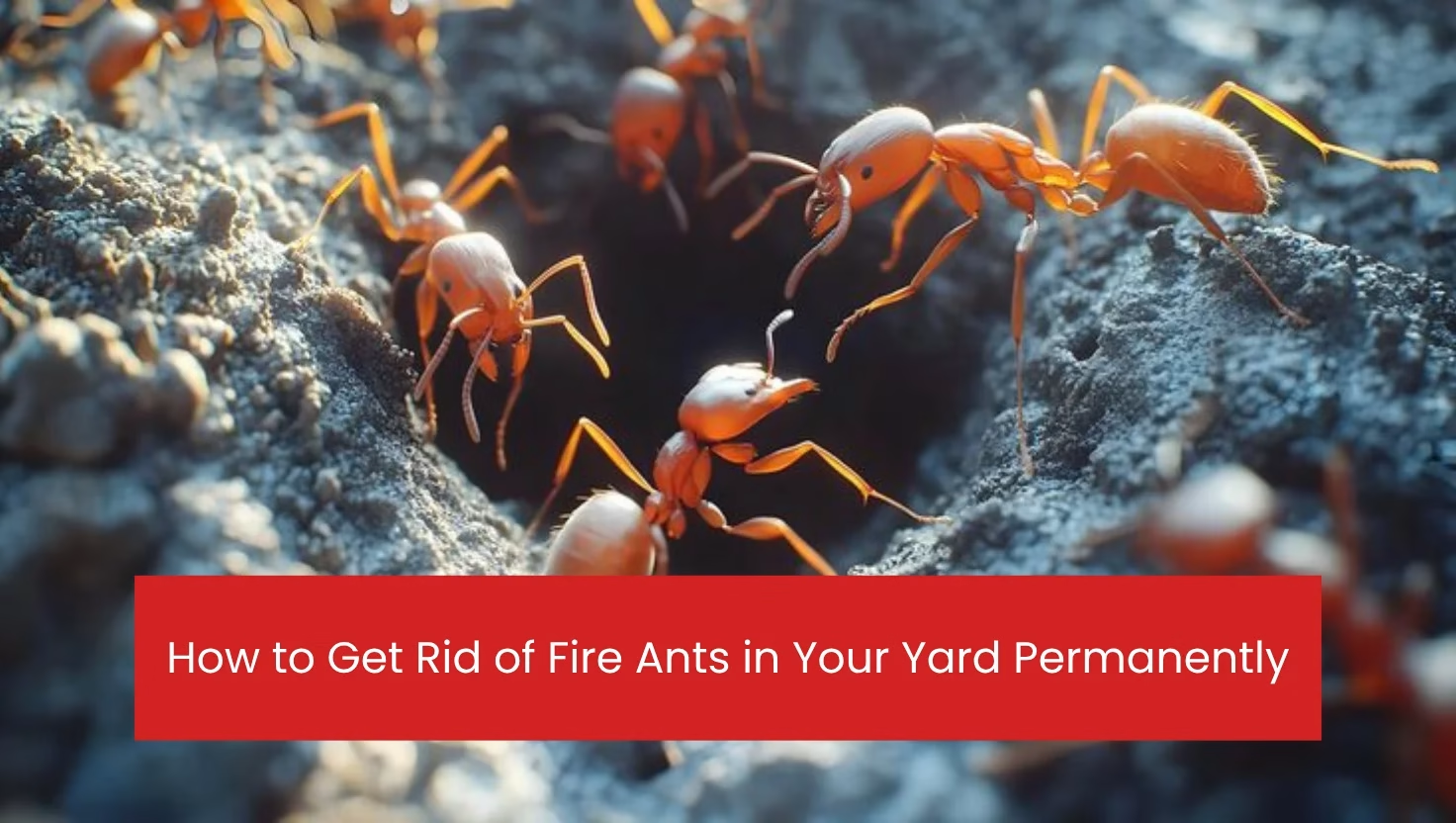
Fire ants can quickly take over your yard, turning a peaceful outdoor space into a painful and frustrating environment. Their aggressive behaviour and painful stings make them a serious concern for homeowners, especially for families with children, pets, and outdoor activities. Beyond the discomfort, fire ants can also damage lawns, plants, garden beds, and soil structure, leaving lasting harm if left untreated. Many people rely on quick fixes, but these often fail to eliminate the root problem. To get rid of fire ants permanently, you need effective strategies that target the entire colony, including the queen, and address both visible ants and hidden nests for long-term control.
What Are Fire Ants and Why Are They a Problem?
Fire ants are highly aggressive insects known for their painful stings and ability to form large underground colonies. When disturbed, they attack in groups, which can lead to multiple stings and, in some cases, severe allergic reactions. They are also harmful to your yard. Fire ants build mounds that damage the appearance of lawns, disrupt soil, and harm plant roots. Their colonies can spread quickly, making them difficult to control if not treated properly. Because of their deep nesting and multiple queens in some colonies, eliminating them requires a targeted and consistent approach.
Signs of Fire Ant Infestation in Your Yard
Identifying a fire ant problem early can help you take action before it worsens. Common signs include:
- Small mounds of loose soil in your lawn or garden
- Increased ant activity, especially during warm weather
- Painful stings when you accidentally step on or disturb a mound
- Damaged grass or plants due to soil disturbance
If you notice these signs, it’s important to act quickly to prevent the infestation from spreading.
Common Mistakes When Trying to Get Rid of Fire Ants
Many homeowners struggle to eliminate fire ants because they use ineffective methods. Some common mistakes include:
- Treating only the surface instead of the entire colony
- Ignoring the queen, which allows the colony to rebuild
- Using inconsistent or low-quality treatments
- Stopping treatment too early before the colony is fully eliminated
Avoiding these mistakes is key to achieving long-term results.
Proven Methods to Get Rid of Fire Ants Permanently
1. Use Fire Ant Baits
Fire ant baits are one of the most effective solutions. Worker ants carry the bait back to the colony, where it is shared with other ants, including the queen. This method eliminates the entire colony over time and provides long-lasting results when applied correctly. For best results, apply bait during active foraging hours, avoid disturbing mounds, and reapply periodically to ensure complete colony elimination and prevent re-infestation. Also, choose high-quality bait products, follow label instructions carefully, and monitor activity levels to confirm successful treatment over time.
2. Apply Insecticide Treatments
Granular and liquid insecticides are useful for larger infestations. These products can kill ants quickly and reduce colony size. Always follow safety instructions and apply them carefully to avoid harming beneficial insects or pets. Choose targeted products, apply during calm weather conditions, avoid overuse, and monitor treated areas regularly to ensure effectiveness and prevent environmental damage or accidental exposure to children and animals. Additionally, wear protective gear, store chemicals safely, and follow recommended application intervals for best results.
Helpful For You: How to Keep Ants out of Your Kitchen During the Holiday Feast
3. Natural Remedies for Fire Ant Control
Natural solutions like vinegar, citrus sprays, or boiling water can help control small infestations. While they may not eliminate large colonies completely, they are safer alternatives for those who prefer chemical-free methods. Reapply these remedies consistently, target active areas, combine methods when needed, and monitor results closely to improve effectiveness while maintaining a safe and Eco-friendly pest control approach. Using fresh solutions, applying during peak activity, and maintaining cleanliness can further enhance natural treatment success.
4. Destroy the Ant Mound Properly
Simply disturbing the mound is not enough. You need to treat deep inside the mound to reach the queen. Applying treatment directly into the mound ensures that the colony is fully targeted and prevents regrowth. Use proper tools, apply treatments slowly to penetrate deeper tunnels, avoid scattering ants, and follow up with additional treatments to ensure the queen and entire colony are eliminated effectively. Always observe the mound afterwards and repeat treatment if activity continues or new mounds appear nearby.
5. Use Professional Pest Control Services
For severe or recurring infestations, professional pest control is often the best option. Experts use advanced treatments and have the experience needed to eliminate fire ants effectively and prevent them from returning. Professionals can assess infestation size, apply long-term solutions, use safe chemicals, and provide maintenance plans that help keep your yard protected from future infestations. They may also offer warranties, follow-up visits, and customised strategies based on your yard conditions and infestation severity.
Also Read: How to Get Rid of black Ants
6. Use Diatomaceous Earth
Diatomaceous earth is a natural powder that kills ants by dehydrating them. Sprinkle it around mounds and ant pathways for effective control. It is safe for humans and pets when used properly. Apply it in dry conditions, reapply after rain, use food-grade products, and spread evenly to maximise effectiveness while ensuring long-lasting and safe pest control results in your yard. Avoid inhaling dust, store it properly, and combine with other treatments for better overall pest management.
7. Pour Boiling Water on Mounds
Boiling water can kill ants instantly and penetrate deep into the nest. This method works best for small colonies but may need to be repeated several times to ensure complete elimination. Pour carefully to avoid injury, target the centre of the mound, repeat treatments as needed, and monitor the area to confirm that the colony has been fully destroyed. Use protective clothing, avoid nearby plants, and apply slowly to maximise penetration into deeper tunnels.
8. Apply Baking Soda and Sugar Mixture
A mixture of baking soda and sugar can attract ants and disrupt their internal system. While it may not eliminate the entire colony instantly, it helps reduce the population over time when used consistently. Place the mixture near active areas, refresh it regularly, combine with other treatments, and monitor results to improve effectiveness and gradually weaken the colony. Keep it dry, avoid contamination, and place it strategically where ants frequently travel for better results.
You may also like: Ant Infestations in Tampa
9. Use Essential Oils as Repellents
Essential oils like peppermint and tea tree oil can repel fire ants naturally. These oils can be mixed with water and sprayed around affected areas to keep ants away and prevent new infestations. Reapply regularly, focus on entry points, combine with cleaning practices, and maintain consistent use to strengthen their effectiveness as a natural and safe deterrent solution. Test on small areas first, use proper dilution, and store oils safely away from children and pets.
10. Maintain a Regular Treatment Schedule
Consistency is key when dealing with fire ants. Reapplying treatments regularly ensures that any remaining ants are eliminated and prevents new colonies from forming in your yard. Create a schedule, rotate treatment methods, inspect your yard frequently, and act quickly on new activity to maintain long-term control and ensure your yard remains completely free from fire ants. Keep records of treatments, adjust strategies as needed, and stay consistent for the best long-term results.
How to Prevent Fire Ants from Coming Back
1. Maintain Your Yard Regularly
Keep your lawn trimmed, mow frequently, and remove debris, leaf piles, or fallen branches that can attract ants. A clean yard reduces the chances of infestation, prevents nesting spots, and discourages fire ants from establishing colonies. Regular maintenance also improves soil health, reduces moisture retention in problem areas, and makes it easier to spot early signs of ant activity before infestations become severe.
2. Eliminate Moisture Sources
Fire ants are strongly attracted to moisture, making leaks, standing water, and poorly drained areas ideal nesting sites. Fix plumbing leaks, improve drainage, and eliminate puddles or damp spots to make your yard less appealing to them. Regularly inspect sprinkler systems, check under outdoor furniture, and avoid over watering plants to reduce moisture accumulation that encourages fire ant colonies to form and grow.
3. Use Preventive Treatments
Apply bait and barrier treatments during peak ant activity seasons to stop infestations before they begin. Preventive measures disrupt colonies early and reduce the need for aggressive chemical interventions. Use approved products, follow label instructions, and combine preventive treatments with monitoring of high-risk areas, such as garden beds, pathways, and shady damp spots, for maximum long-term protection.
4. Seal Entry Points Around Your Home
Close gaps, cracks, and openings around doors, windows, and foundations to prevent ants from entering your home from the yard. Inspect walls, vents, and utility lines regularly, and seal any openings with caulk or weatherstripping. Proper sealing reduces indoor infestations, keeps fire ants from finding shelter, and complements yard maintenance and treatment strategies for a fully protected home environment.
Natural vs Chemical Methods – Which Is Better?
Both natural and chemical methods have their advantages. Natural remedies are safer for pets, children, and the environment but may take longer to show visible results and often require consistent reapplication. Chemical treatments are faster and more effective for large or severe infestations but require careful handling, proper application, and adherence to safety instructions. Combining both approaches strategically can provide balanced, long-term control, minimise risks, and ensure a healthier, ant-free yard. For best results, many homeowners use a combination of both methods to balance safety and effectiveness.
When to Call a Professional?
If your infestation is large, keeps returning, or poses a safety risk, it’s time to call a professional. Wildlife removal services and pest control experts can thoroughly assess the situation, identify all colony locations, and use specialised treatments and long-term strategies to eliminate fire ants permanently. They can also provide guidance on preventive measures, monitor treated areas, and ensure that infestations do not recur, offering a safe and reliable solution for homeowners dealing with persistent ant problems.
Conclusion
Getting rid of fire ants permanently requires more than just quick fixes. The key is to target the entire colony, including the queen, and use consistent treatment methods. By combining proven solutions with preventive measures, you can protect your yard, maintain healthy soil and plants, and keep it free from fire ants in the long run. Taking action early, monitoring activity regularly, and staying consistent with treatments will help you maintain a safe, comfortable, and pest-free outdoor space while preventing costly damage and recurring infestations.
FAQs
What kills fire ants instantly?
Boiling water and insecticides can kill fire ants quickly, but they may not eliminate the entire colony.
How long does it take to get rid of fire ants?
It can take a few days to several weeks, depending on the method used and the size of the infestation.
Are natural remedies effective?
Natural remedies can help control small infestations but may not be as effective for large colonies.
Can fire ants return after treatment?
Yes, without proper prevention and consistent treatment, fire ants can return to your yard.
Is professional pest control worth it?
Yes, especially for severe or recurring infestations where DIY methods are not effective.