
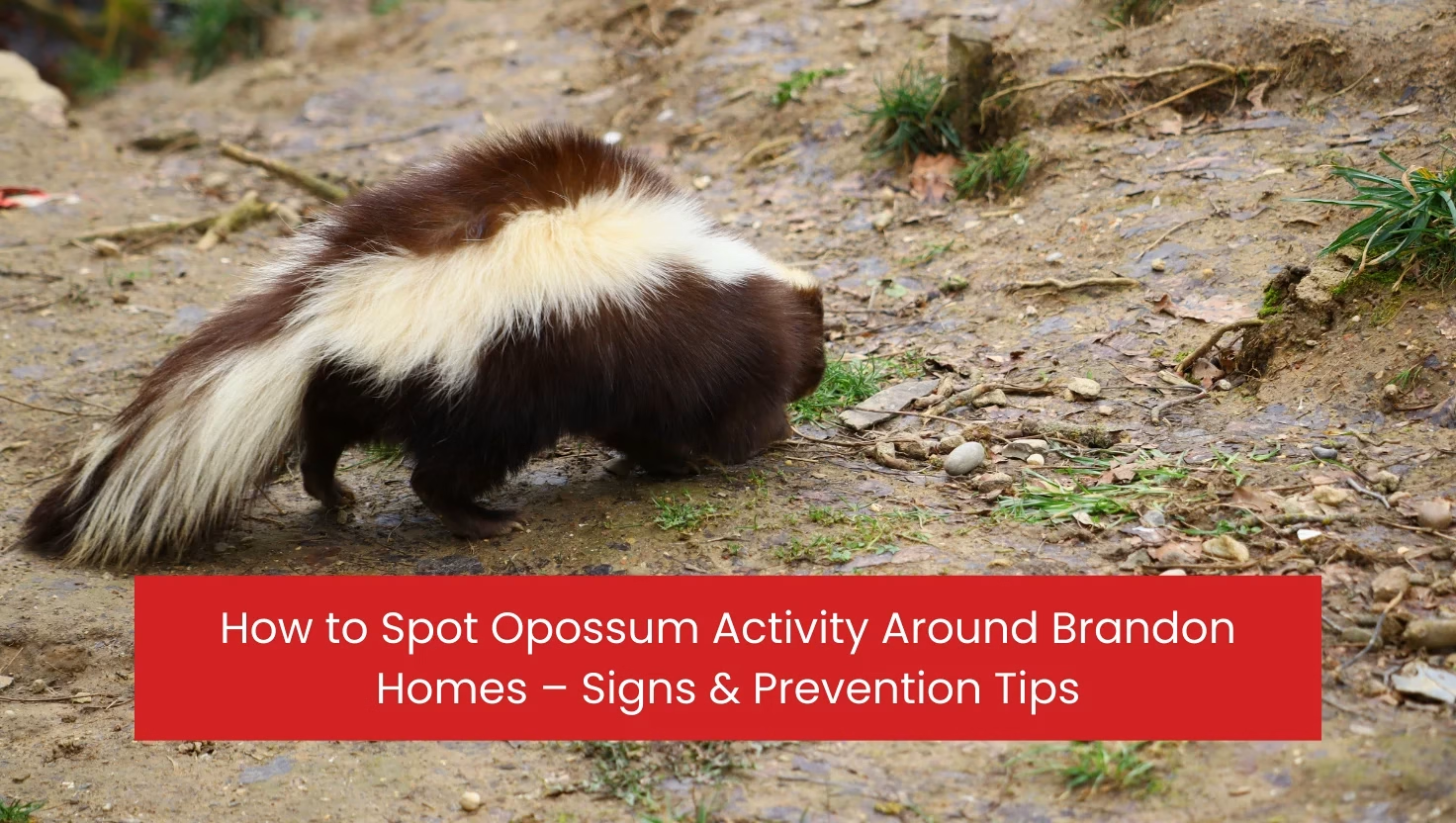
Opossums are nocturnal mammals commonly found in Brandon and surrounding areas. While generally shy and non-aggressive, they can become a nuisance when they invade homes, yards, or gardens in search of food, warmth, or shelter. Early detection of opossum activity is crucial to prevent property damage, health hazards, and disturbances to pets. Recognising the signs of an infestation allows homeowners to act quickly, take preventive measures, and call professionals if necessary. Understanding opossum behaviour, preferred entry points, and habits also helps in effective long-term control. Being aware of their seasonal patterns and typical hiding spots can further improve prevention and monitoring efforts.
Why Opossums Are Attracted to Homes in Brandon
Opossums seek out homes for warmth, food, and shelter. Residential areas with gardens, pet food, garbage, and dense vegetation are especially appealing. Attics, sheds, and crawl spaces provide safe nesting sites away from predators. Seasonal behaviour patterns encourage repeated visits to familiar areas. Understanding these habits helps homeowners take proactive measures to minimise attraction and prevent infestations. Regular monitoring of these areas and removing potential food sources can significantly reduce the likelihood of opossums returning.
Common Signs of Opossum Activity Around Your Home
1. Droppings or Feces
Opossum droppings are dark, tubular, and often found near food sources, nesting areas, or entry points like vents and sheds. They may contain seeds, insects, or small animal remnants, helping identify the animal. Droppings can carry bacteria and parasites harmful to humans and pets, so early detection is important. Regular inspection of yards, attics, and crawl spaces can alert homeowners to hidden activity. Cleaning droppings safely with gloves and disinfectants prevents health risks and secondary infestations.
2. Strange Noises at Night
Scratching, thumping, or scurrying sounds in attics, walls, or crawl spaces usually indicate nocturnal activity. Opossums are most active after dark, so repeated nighttime noises can suggest nesting or movement within your home. Multiple sounds may indicate the presence of more than one animal or young offspring. Paying attention to where the noises are strongest can help locate nests or entry points. Early response prevents property damage and reduces stress for both homeowners and pets.
Must Read: Flooding in Brandon Protect your Home from Snakes and Rodents
3. Damaged Property
Opossums may chew wires, insulation, wood, or garden materials while creating nests or searching for food. Chewed electrical wiring can pose fire hazards, while torn insulation reduces energy efficiency. Damage often occurs near entry points, under decks, or in attics. Inspecting areas regularly allows homeowners to spot destruction early and make repairs. Prompt maintenance can discourage opossums from returning and prevent escalating costs.
4. Footprints or Tracks
Small paw prints or muddy tracks near entry points, gardens, or soft soil indicate opossum movement. Their five-toed footprints with visible claw marks are distinctive. Observing the direction and frequency of tracks can reveal travel patterns, feeding areas, and nest locations. Monitoring these signs over time can help assess the severity of an infestation. Documenting tracks also aids professionals in identifying the species accurately.
5. Nests or Bedding Materials
Opossums use shredded fabric, leaves, grass, insulation, or paper to create nests in attics, garages, sheds, or under decks. Nests often contain droppings, fur, or leftover food, confirming active occupancy. Repeated use of a nest may lead to stronger odors and potential secondary pest infestations. Identifying nesting areas early allows for safe removal and prevents the animals from returning. Proper sanitation and repairs reduce the likelihood of future habitation.
6. Unpleasant Odors
Strong musky or ammonia-like smells often come from urine, droppings, or nesting materials. Odors intensify over time if infestations are ongoing and untreated. Persistent smells may permeate attics, crawl spaces, and insulation, creating discomfort for residents. They can also attract insects or other pests to the home. Addressing the source promptly ensures a healthier and cleaner living environment.
Helpful For You: How Brandons Rainy Season Affects Wildlife Activity and Home Safety
7. Sightings Around the Property
Seeing opossums during nighttime near your yard, garden, or garage indicates nearby activity. Multiple sightings over consecutive nights suggest they have established a den nearby. Observing behaviour can help identify preferred feeding areas and potential entry points. Homeowners should note patterns to anticipate where damage or contamination may occur. Repeated visual confirmation is a strong indicator that professional intervention may be necessary.
8. Pet Disturbances
Pets may bark, growl, hiss, or act anxious if they sense opossums nearby. Food disappearance, scattered pet supplies, or chewed items also indicate nocturnal visitors. Pets can serve as early detectors of hidden activity around homes. Monitoring pet behaviour and inspecting areas they frequent can reveal hidden nests or entry points. This helps homeowners take preventive measures before serious damage occurs.
Also Like: Winter Wildlife Issues to Watch for in Brandon Homes
9. Entry Holes or Damaged Fences
Gaps in roofs, vents, fences, or soffits allow opossums to enter attics, crawl spaces, and gardens. Chew marks, scratches, or disturbed materials often appear near these entry points. Sealing holes with metal flashing, wire mesh, or proper covers prevents repeated intrusion. Regularly inspecting property for damage ensures early detection and discourages future activity. Prompt repairs are essential to maintain a safe, opossum-free home.
10. Scattered Food or Trash
Opossums forage through garbage bins, compost, or leftover food in yards and gardens. Finding chewed food wrappers, spilled scraps, or scattered trash indicates nocturnal scavenging. Repeated disturbance in the same areas signals established activity nearby. Securing trash bins, removing food attractants, and monitoring outdoor feeding areas are key steps in prevention. Early detection reduces health risks and discourages continued visits.
Risks of Opossum Activity
Opossums can carry parasites like fleas, ticks, and mites, as well as bacteria such as Salmonella. Their droppings and urine can contaminate insulation, floors, or stored items, creating health hazards for humans and pets. Property damage may include chewed wiring, insulation, or garden plants. Infestations can also attract insects or secondary wildlife, worsening sanitation and maintenance problems. Prompt action reduces risks and keeps your home safe.
Preventive Measures
- Secure trash bins with tight-fitting lids and remove outdoor pet food.
- Seal gaps, vents, roof openings, and small holes to block access.
- Trim overgrown vegetation and tree branches away from your home.
- Inspect attics, garages, and sheds regularly for signs of nests or damage.
- Use motion-activated lights or fencing around gardens and compost areas.
- Remove clutter and store outdoor items properly to reduce hiding spots.
When to Call Wildlife Removal Professionals
Professional help is recommended if you notice multiple signs of activity, confirmed sightings inside your home, or extensive property damage. Wildlife removal and animal control experts can safely and humanely remove opossums, sanitize contaminated areas, repair damage, and seal entry points to prevent future infestations. Professionals ensure legal compliance, humane treatment, and effective long-term solutions. They can also advise on deterrents and ongoing maintenance to reduce the risk of recurrence.
Conclusion
Early detection of opossum activity around Brandon homes is essential to protect property, pets, and family health. Look for droppings, noises, property damage, and unusual pet behaviour as warning signs. Taking preventive measures, sealing entry points, securing food, and seeking professional removal ensures a safe, clean, and opossum-free home. Regular monitoring, prompt cleanup, and yard maintenance reduce the risk of future infestations. Acting quickly at the first signs of activity prevents costly damage, health hazards, and long-term problems.
FAQs
What time of day are opossums most active?
Opossums are nocturnal and are most active after sunset, often foraging at night.
Can opossums enter through small gaps or vents?
Yes, they can squeeze through small openings, gaps, or damaged vents to access attics and crawl spaces.
Are opossums dangerous to humans or pets?
Opossums are generally non-aggressive and rarely bite, but they can carry parasites and bacteria that pose health risks.
How can I safely remove an opossum from my property?
Contact wildlife removal professionals for humane and legal removal, especially if nests, young, or droppings are involved.
What preventive steps are most effective to keep opossums away?
Secure trash, remove outdoor pet food, trim vegetation, seal entry points, and maintain clean, clutter-free yards.