
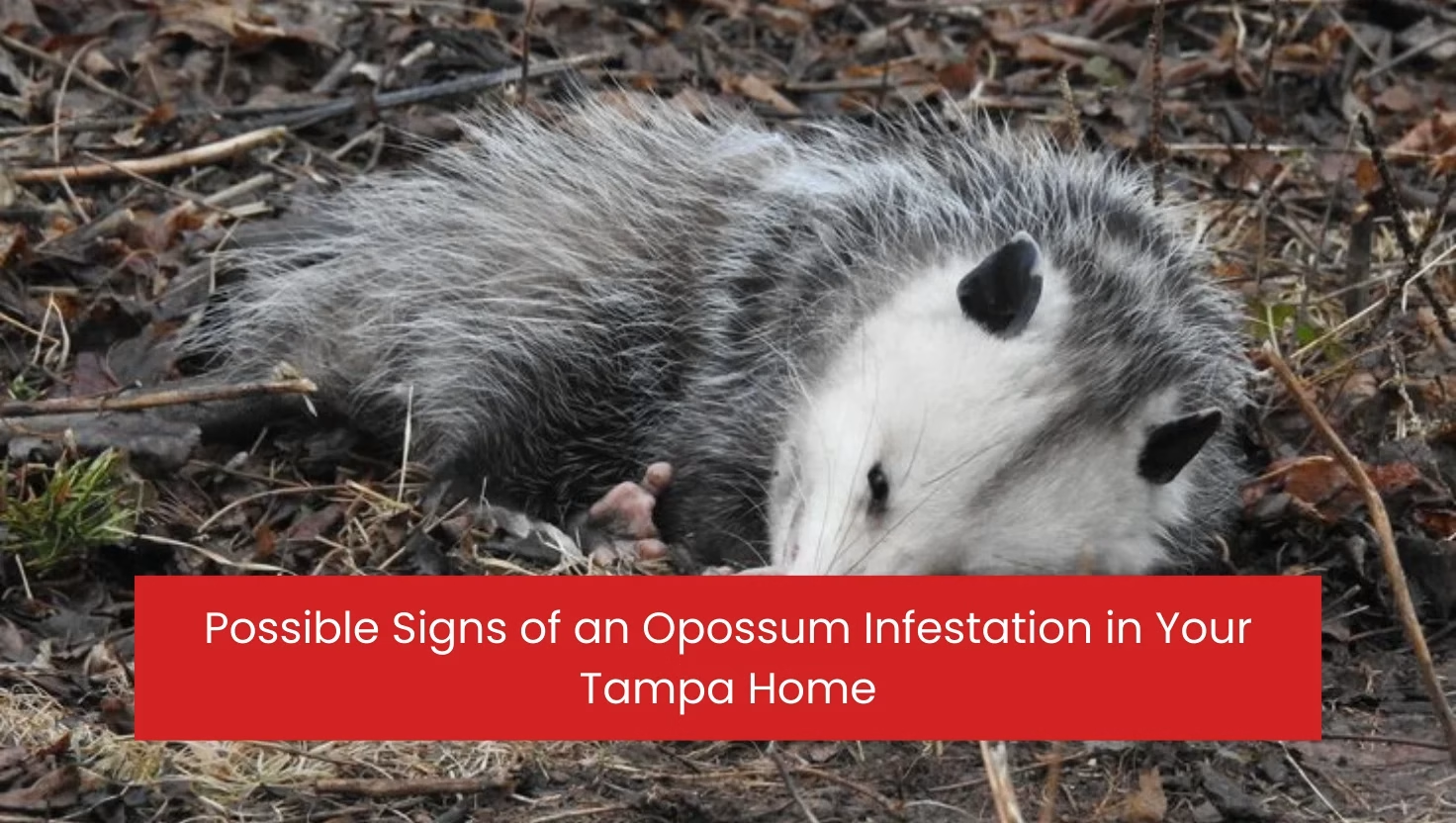
Opossums are common nocturnal mammals in Tampa and surrounding areas, often going unnoticed because of their shy and secretive behaviour. While generally harmless and unlikely to attack humans, they can become a nuisance if they invade your home in search of food, warmth, or shelter. Early detection is crucial for preventing property damage, contamination, and potential health hazards caused by parasites or droppings. Recognising the signs of an opossum infestation—such as unusual noises, droppings, or damage to property—can save you time, money, and stress, while allowing you to take proactive measures to keep your home safe and wildlife-free. Understanding their habits and behaviour is the first step toward effective prevention and safe removal.
What Is an Opossum?
Opossums are medium-sized marsupials recognized for their nocturnal habits and opportunistic scavenging behavior. They feed on insects, small animals, fruits, vegetables, and even human garbage, making them highly adaptable to urban and suburban environments. Generally shy and non-aggressive, opossums may still explore attics, garages, sheds, or under porches when searching for shelter, especially during colder months or when food sources are scarce. Their ability to climb, squeeze into small spaces, and remain mostly hidden during the day allows them to establish temporary or long-term nesting sites close to human homes. Understanding their behaviour helps homeowners identify early warning signs and take preventive measures.
Why Opossums Invade Homes
Opossums often enter homes in search of easy access to food, warmth, and safety from predators, especially in urban and suburban areas. Common attractants include pet food left outdoors, unsecured trash bins, compost piles, bird feeders, and dense vegetation or brush near the house that provides cover. Attics, crawl spaces, garages, sheds, and even porches offer ideal nesting areas for these opportunistic creatures, allowing them to stay hidden while raising young or resting during the day. Understanding these attractants and potential entry points can help homeowners take proactive steps to prevent infestations before they occur.
Common Signs of an Opossum Infestation
1. Droppings or Feces
Opossum droppings are dark, tubular, and often found near food sources, nesting areas, or along their travel routes. They can carry bacteria and parasites, so spotting feces early is a key indicator of infestation. Regularly checking for droppings can help track opossum activity and identify high-traffic areas around your home, allowing you to act before the population grows. Feces near gardens or compost piles often indicate repeated visits, and proper cleanup is essential to avoid contamination. Monitoring these signs consistently can prevent larger infestations over time.
2. Strange Noises at Night
Scratching, thumping, or scurrying sounds in attics, walls, or crawl spaces often indicate nocturnal activity. Opossums are mostly active after dark, making unusual nighttime sounds a strong warning sign. Persistent noises that repeat nightly or move through multiple areas may indicate the presence of one or more animals nesting nearby. Sometimes, multiple opossums may communicate or fight, producing louder, more frequent sounds. Homeowners should note the timing and location of noises to help professionals identify the infestation area.
You may also like: Raccoon Infestations in Tampa Homes
3. Damaged Property
Chewed wires, disturbed insulation, or gnawed wood are common signs of opossum activity. Property damage may appear around entry points or nesting areas and can pose risks, such as fire hazards from chewed electrical wires. Opossums may also pull apart cardboard boxes, storage items, or soft materials in garages, attics, or sheds while creating nests. They can leave scratch marks along walls or floorboards, and insulation removal is a common occurrence. Identifying damage early can help prevent costly repairs and reduce risks to safety.
4. Footprints or Tracks
Small paw prints near entry points, muddy areas, or garden beds can reveal opossum movement. They typically leave five-toed prints with visible claw marks, helping homeowners identify the species. Footprints often appear alongside tail drag marks or scattered dirt, which further confirms opossum travel patterns near your property. Tracking prints over multiple nights can reveal their preferred routes and nesting spots. Identifying these tracks can also help prevent future encounters and property damage.
5. Nests or Bedding Materials
Opossums use shredded fabric, leaves, insulation, or paper to create nests. Finding such materials in attics, garages, or under porches indicates a potential infestation and nesting site. These nests are usually tucked into hidden corners and may be reused for multiple nights, making them a reliable sign of long-term presence. Bedding areas often contain droppings, fur, or food remnants, confirming active habitation. Regular inspection of dark, undisturbed areas can help detect early nesting activity.
Must Read: Ant Infestation in Tampa
6. Unpleasant Odors
A strong musky or ammonia-like odor may come from urine, feces, or nesting areas. The smell often intensifies over time if the infestation is ongoing and untreated. Persistent foul odors can permeate attics, crawl spaces, or garages, making it easier to locate the nest or determine which areas require cleaning and sanitization. Odors may also attract other pests like insects or rodents, compounding the problem. Addressing smells quickly is important for health and comfort in the home.
7. Sightings of Opossums
Spotting opossums during nighttime near your home, garden, or garage is a clear indicator. Frequent sightings suggest they are comfortable with your property and may have established a nearby den. Seeing multiple animals over consecutive nights is a strong sign of breeding activity or repeated visits, which increases the risk of property damage. Observing their movement patterns can help determine where they are entering and exiting. These sightings also indicate that preventative measures should be implemented immediately.
8. Pet Disturbances
Pets may bark, growl, or act anxious if they sense opossums. Food disappearance or evidence of interaction with your pets’ supplies is another clue of nearby nocturnal visitors. Pets can also track droppings, footprints, or disturbed bedding, providing additional signs that opossums are present without direct sightings. Behavioural changes in pets often point to hidden activity in areas like garages, yards, or basements. Monitoring pets’ reactions can help identify infestation zones early.
Helpful For You: What Attracts Wildlife to Tampa Homes
9. Entry Holes or Damaged Vents
Gaps in roofs, vents, or fences can allow opossums to enter. Look for gnaw marks, scratches, or signs of tampering near suspected entry points. Even small holes may be used repeatedly, and opossums can enlarge them over time, so inspecting all potential access points is critical to prevent repeated invasions. Signs like loosened shingles or broken screens indicate active attempts to gain entry. Sealing these areas promptly can significantly reduce infestation risks.
10. Dropped Food or Scattered Trash
Opossums often forage through garbage, pet food, or leftover scraps. Finding food scattered around the yard, chewed containers, or unusual bite marks is a strong indicator of nocturnal scavengers. Consistent messes in the same areas usually point to established activity nearby, signalling a potential infestation that needs attention. Dropped food can also attract other wildlife, worsening the problem. Keeping outdoor areas clean and storing food securely is critical to deterring opossums.
Also Read: Pet Safety Tips During Wildlife Season in Tampa
Health Risks and Concerns
Opossums can carry parasites such as fleas, ticks, and mites, and their droppings may contain bacteria or pathogens that can be harmful to humans and pets. Although opossums rarely bite and are generally non-aggressive, direct contact should always be avoided to reduce health risks. Infestations can also lead to secondary pest problems, as other wildlife or insects may be attracted to opossum nests, food remnants, or urine. Over time, these infestations can cause property damage, foul odors, and increased exposure to disease, making early detection and professional removal crucial for maintaining a safe and healthy home environment.
How to Prevent Opossum Infestations
- Secure trash bins with tight-fitting lids to prevent opossums from accessing food.
- Remove pet food from outdoor areas to eliminate easy food sources.
- Trim overgrown vegetation near your home to reduce hiding spots.
- Seal gaps, vents, and roof openings to block access for nocturnal intruders.
- Inspect and maintain sheds, garages, and attics regularly for potential entry or nesting areas.
- Install deterrents like motion-activated lights or fencing around gardens and compost areas to keep wildlife away.
When to Call Professionals
If you notice multiple signs of an infestation or have confirmed sightings inside your home, it’s time to contact wildlife removal experts. These experts can safely and humanely remove opossums, identify entry points, clean contaminated areas, and sanitise affected spaces to reduce health risks. Wildlife removal professionals can also provide guidance on preventive measures, such as sealing potential access points, securing trash, and maintaining your yard, helping to prevent future invasions while ensuring the animals are not harmed in the process.
Conclusion
Early detection of opossum infestations in Tampa homes is essential for protecting property and ensuring the safety of residents. Look for droppings, noises, property damage, or unusual pet behavior as warning signs. Taking preventive measures, sealing entry points, securing trash, and calling professionals when necessary can help maintain a safe, healthy, and opossum-free home, preventing further damage and potential health risks. Regular inspections, prompt cleanup of affected areas, and monitoring pets and yards can further reduce the likelihood of re-infestation and ensure long-term peace of mind for homeowners.
FAQs
Can opossums harm humans?
Opossums are generally non-aggressive and rarely bite, but they can carry parasites and bacteria, so direct contact should be avoided.
How do I know if an opossum is living in my attic?
Look for scratching or thumping noises at night, droppings, nesting materials, or unusual odors coming from the attic.
Are opossums attracted to pet food?
Yes, leaving pet food outdoors can attract opossums, as they are opportunistic feeders searching for easy meals.
Can opossums damage my property?
Opossums can chew wires, disturb insulation, gnaw wood, and create nests, potentially causing minor structural or electrical damage.
What is the safest way to remove an opossum?
Contact a licensed wildlife removal professional to safely capture and relocate the opossum while preventing further infestation.