
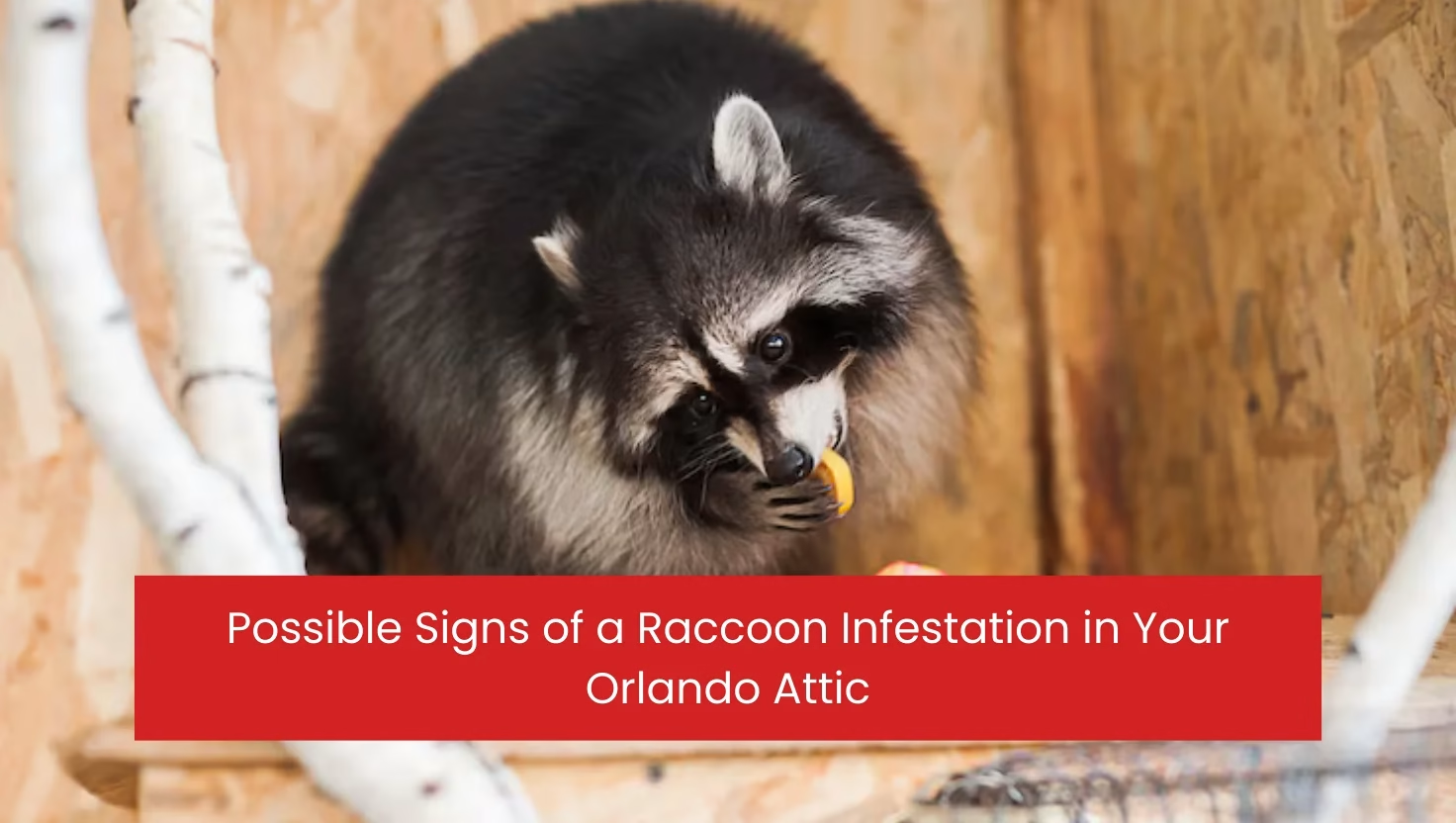
Raccoons are clever, nocturnal mammals that are common in Orlando and surrounding areas. While generally shy, they can become a serious nuisance if they invade your attic in search of food, warmth, or shelter. Early detection is crucial to prevent property damage, contamination, and potential health hazards caused by parasites or droppings. Recognising the signs of a raccoon infestation can save homeowners time, money, and stress, while allowing you to take proactive measures to protect your home and family. Understanding their habits, preferred entry points, and behaviour patterns is essential for effective prevention and safe removal. Staying vigilant and addressing potential issues promptly can prevent minor problems from turning into costly infestations.
What Is a Raccoon?
Raccoons are medium-sized mammals known for their distinctive masked faces, dexterous front paws, and primarily nocturnal habits. They are highly adaptable and can thrive in urban, suburban, and rural environments, often living close to human activity. Raccoons are opportunistic feeders, consuming fruits, insects, small animals, garbage, and pet food, which makes homes with accessible food particularly attractive. Their climbing ability and intelligence allow them to access attics, roofs, and other high or enclosed spaces, making them common intruders in Orlando homes.
Also Read: Is a Raccoon a Rodent?
Why Raccoons Invade Attics
Raccoons often enter attics for warmth, shelter, and protection from predators. Homes provide safe spaces for nesting, raising young, and avoiding harsh weather conditions. Common entry points include broken vents, chimneys, roof openings, gaps under eaves, and attic access panels. Raccoons are attracted to properties with easy food sources such as unsecured trash bins, pet food left outdoors, or fruit-bearing trees. Recognising potential attractants and entry points helps homeowners reduce the risk of infestations.
10 Common Signs of a Raccoon Infestation
1. Noises in the Attic
Scratching, thumping, or growling sounds, especially at night, often indicate raccoon activity. Raccoons are mostly nocturnal, and repeated noises can suggest nesting or movement in the attic. Persistent sounds can signal multiple raccoons or young offspring. Listening carefully to the location, timing, and intensity of noises can help homeowners identify the exact area of activity and plan effective removal or preventive measures. Early investigation can prevent structural damage and minimise disturbances before the infestation worsens.
2. Droppings or Feces
Raccoon droppings are tubular, dark, and often found near entry points or in attics. They can carry parasites, bacteria, and pathogens harmful to humans and pets. Droppings may also contain undigested food, helping identify the animal. Regular inspection can help catch infestations early. Proper cleanup with gloves and disinfectants is important to reduce exposure risks and prevent attracting additional wildlife. Tracking droppings over time can also help determine how long the raccoons have been present.
Helpful For You: Dangers of Leaving Pet Food Outside in Orlando Neighbourhoods
3. Damaged Insulation or Property
Raccoons tear insulation, chew wood, or damage wiring while creating nests. They may also gnaw on roofing materials, vents, or stored items. Damage can increase heating or cooling costs and pose fire risks. Early detection prevents costly repairs. Inspecting insulation, rafters, and attics frequently can prevent structural damage and make it easier to detect nests before an infestation grows. Prompt repair of damaged areas can also discourage raccoons from returning.
4. Footprints or Tracks
Small paw prints, tail drag marks, or muddy footprints near attic access points or around the property indicate raccoon activity. Tracks are usually five-toed with claw marks, helping homeowners confirm the species. Monitoring tracks over time can reveal travel patterns. Identifying footprints along with other signs, like scuffed areas or scattered debris, helps determine the number of animals and preferred entry routes. Documenting tracks can guide wildlife removal professionals in safely trapping and removing raccoons.
5. Nests or Bedding Material
Raccoons use shredded paper, fabric, insulation, leaves, or other soft materials to create nests. Finding nests in attics, crawl spaces, or garages suggests long-term habitation. Nests may contain droppings, food scraps, or fur, confirming active occupancy. Checking for nests periodically and noting repeated use can help detect breeding activity and prevent the spread of odors or contamination. Removing or securing nesting materials properly can reduce the likelihood of repeated infestations.
Must Read: Flooding in Orlando Protect your Home from Wildlife
6. Unpleasant Odors
A strong musky, ammonia-like odor may come from raccoon urine, droppings, or nesting materials. Odors intensify over time and can permeate walls, insulation, and ceilings. Persistent smells are a reliable warning of an ongoing infestation. Addressing these odors quickly is essential to avoid health risks and prevent attracting other pests like insects or rodents to the same area. Using odor-neutralising cleaning products and professional sanitization can restore a safe, liveable environment.
7. Sightings Around the Home
Spotting raccoons on the roof, in the yard, or near garbage bins at night is a clear sign. Multiple sightings over consecutive nights suggest repeated visits or denning nearby. Observing behaviour can help identify potential entry points. Documenting the frequency and timing of sightings can guide homeowners or professionals in setting up safe removal strategies and deterrents. Installing cameras or monitoring systems can provide further confirmation of raccoon activity.
8. Pet Disturbances
Pets may bark, growl, or act anxious if raccoons are nearby. Missing pet food or chewed supplies also indicate nocturnal activity. Pets can be valuable early detectors of hidden infestations in attics or yards. Monitoring your pets’ behaviour, combined with visual inspections, can reveal hidden signs of raccoon activity even before humans see the animals. Encouraging pets to alert homeowners to unusual activity can prevent surprises and reduce damage.
Also Like: Expert Advice for Handling Squirrel Infestations in Metro-west Orlando
9. Entry Points or Damaged Vents
Gaps in vents, broken screens, damaged soffits, or openings in roofs often allow raccoons to enter. Chew marks, scratches, or disturbed roofing materials near these points confirm access. Sealing entry points is critical to prevent re-infestation. Inspecting the exterior of your home, trimming overhanging tree branches, and reinforcing weak areas can greatly reduce the risk of raccoons returning. Adding mesh guards or metal flashing around vulnerable areas provides extra protection against future entry.
10. Scattered Food or Garbage
Evidence of chewed trash, leftover food, or disturbed compost bins is a strong sign of raccoon scavenging. Repeated food disturbance in the same areas often indicates established activity nearby. Proper storage and removal of attractants are essential preventive measures. Regularly cleaning outdoor spaces, securing garbage cans, and removing fallen fruit or birdseed can discourage raccoons from frequenting your property. Monitoring trash areas at night can help identify raccoons before they become a serious infestation.
How to Prevent Raccoon Infestations in Your Orlando Attic
- Secure trash bins with tight-fitting lids to prevent access.
- Remove pet food from outdoor areas to eliminate easy food sources.
- Trim overgrown vegetation near your home to reduce hiding spots.
- Seal gaps, vents, and roof openings to block access for raccoons.
- Inspect and maintain sheds, garages, and attics regularly for potential entry or nesting areas.
- Install deterrents like motion-activated lights or fencing around gardens and compost areas to keep wildlife away.
Regular property inspections, proper storage of outdoor items, and eliminating attractants can greatly reduce the likelihood of raccoon infestations.
When to Call Wildlife Removal Professionals
If you notice multiple signs of an infestation or confirm raccoon sightings in your attic, it’s time to contact wildlife removal and animal control expets. These experts can safely and humanely remove raccoons, clean contaminated areas, identify entry points, and provide guidance on prevention. Wildlife removal professionals ensure the animals are not harmed, and they can help secure your attic and property to prevent future invasions, protecting your family and home from further damage or health risks.
Conclusion
Early detection of raccoon infestations in Orlando attics is essential for protecting your property and ensuring the safety of your household. Watch for noises, droppings, property damage, or unusual pet behavior as warning signs. Taking preventive measures, sealing entry points, securing food, and calling wildlife removal professionals when necessary can help maintain a safe, healthy, and raccoon-free home. Regular monitoring, prompt cleanup, and careful attention to potential entry points will provide long-term protection from these clever nocturnal intruders. Staying vigilant and acting quickly at the first signs of activity is crucial to preventing costly damage, contamination, and health risks for your family and pets.
FAQs
Can raccoons harm humans?
Raccoons are generally non-aggressive but can bite or scratch if cornered. They may carry diseases like rabies, so direct contact should be avoided.
How do I know if raccoons are living in my attic?
Signs include scratching noises at night, droppings, damaged insulation, or observed raccoon activity around the roof or vents.
Are raccoons attracted to pet food?
Yes, leaving pet food outside or in unsecured areas can attract raccoons to your home or yard.
Can raccoons damage my property?
Raccoons can tear insulation, chew wires, damage vents, and disturb stored items, potentially causing costly repairs.
What is the safest way to remove raccoons from my attic?
Contact wildlife removal professionals to safely and humanely remove raccoons, clean affected areas, and prevent future infestations.