
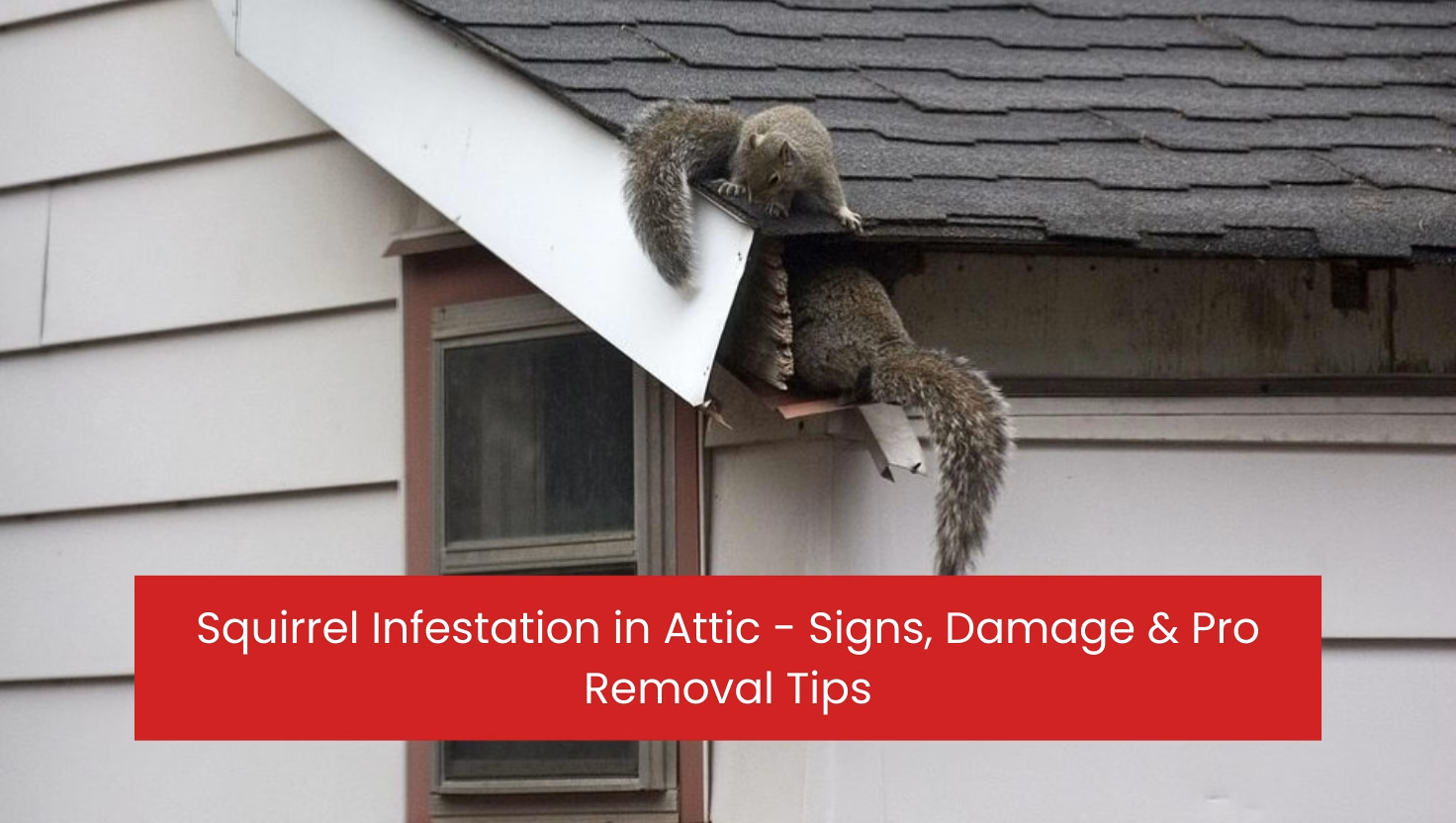
A squirrel infestation in the attic is a common yet serious problem many homeowners face. These small animals often enter homes searching for warmth, shelter, and a safe place to build nests. While they may seem harmless, squirrels can cause significant structural damage, create fire hazards by chewing electrical wiring, and pose health risks through droppings and parasites. Recognising the early warning signs is essential to prevent costly repairs and maintain a safe living environment. This guide explains the key signs of an attic squirrel infestation, the potential damage they cause, and when professional wildlife removal services are necessary.
Why Squirrel Infestations in Attics Are a Serious Problem?
Squirrels reproduce quickly, which means a small issue can turn into a major infestation within a short period. Once inside, they chew wood, insulation, and wiring to create nesting spaces. This behaviour not only damages property but also increases the risk of electrical fires and structural weakening. In addition, their droppings and urine contaminate attic spaces, creating hygiene concerns and unpleasant odours. Ignoring these problems often results in more extensive and expensive repairs over time.
10 Clear Signs of a Squirrel Infestation in the Attic
1. Scratching and Running Noises
You may hear scratching, scurrying, or gnawing sounds, especially during early morning or late afternoon when squirrels are most active. These noises often come from ceilings, attic corners, or wall cavities and may become louder as the infestation grows. Persistent movement sounds can disturb sleep, indicate nesting activity, and suggest squirrels are searching for food or expanding their living space inside your home. Over time, irregular noise patterns may reveal multiple squirrels moving through hidden pathways or creating new nesting zones. Ignoring these sounds can allow the infestation to spread unnoticed, increasing property damage and repair costs.
2. Chewed Electrical Wires
Squirrels constantly gnaw to keep their teeth trimmed, often damaging electrical wiring and significantly increasing fire risks. Exposed wires can spark, short-circuit, or cause unexpected power failures throughout the home. Over time, hidden electrical damage may lead to costly repairs, safety hazards, and potential fire emergencies that threaten both property and occupants if not addressed promptly. Even minor wire damage can disrupt appliances, lighting systems, and essential home utilities without clear warning signs. Routine inspections become crucial once chewing activity is suspected to prevent dangerous electrical malfunctions.
Must Read: The Dangers of Squirrels In and Around Your Home
3. Damage to Insulation
Shredded, compressed, or displaced insulation is a common sign of squirrel nesting activity in the attic. Damaged insulation reduces your home’s energy efficiency, leading to higher heating and cooling costs and uncomfortable indoor temperature fluctuations. Additionally, disturbed insulation may lose its protective properties, making the attic more vulnerable to moisture buildup, mould growth, and further structural deterioration. Contaminated insulation can also retain odours, allergens, and harmful particles that affect indoor air quality. Replacing damaged insulation promptly helps restore energy efficiency and maintain a healthier living environment.
4. Droppings and Strong Odors
Accumulated squirrel droppings and urine create strong, unpleasant ammonia-like odours that gradually spread through attic spaces. Over time, contamination can promote bacterial growth, trigger allergic reactions, and negatively affect indoor air quality. Poor ventilation may circulate harmful particles into living areas, increasing health risks and creating persistent hygiene issues that require professional cleaning and sanitisation. Lingering odours can also attract other pests searching for food or nesting opportunities. Early removal and proper sanitisation reduce long-term contamination and protect household health.
5. Visible Entry Holes in Roof or Vents
Small openings, broken roof shingles, or damaged attic vents often indicate how squirrels are entering your home. These access points may enlarge as squirrels chew surrounding materials, allowing rainwater, debris, and additional pests to infiltrate the structure. Ignoring such damage can lead to long-term roofing issues, moisture problems, and costly structural repairs over time. Repeated entry through the same openings may signal established nesting and increased squirrel activity. Timely sealing of entry points helps prevent future infestations and preserves roof integrity.
You may also like: Are Squirrels Rodents
6. Nesting Materials in Corners
Leaves, twigs, shredded paper, and insulation gathered in hidden attic spaces strongly suggest squirrel nest building. These nests provide warmth, protection, and a safe environment for raising young, making infestations more difficult to remove once breeding begins. Growing squirrel populations can increase property damage, noise levels, and sanitation concerns if not managed quickly. Nesting materials may also block ventilation pathways and trap moisture inside the attic. Regular inspections help detect nests early and prevent population growth.
7. Daytime Activity in the Attic
Unlike many nocturnal pests, squirrels remain highly active during daylight hours, making their presence easier to notice. Frequent daytime noises, sudden movements, or visible shadows across ceilings often signal established nesting and regular feeding routines. Increased activity during daylight can indicate multiple squirrels occupying the attic and expanding their territory within the structure. Daytime disturbances may become more intense during breeding or food-gathering periods. Monitoring activity patterns helps homeowners confirm infestations and take timely preventive measures.
8. Damage to Wooden Beams
Chew marks, splintering, or weakened wooden beams can compromise attic structural stability over time. Continuous gnawing may reduce the strength of support structures, increasing the risk of sagging sections, roof leaks, or even partial collapses. Ignoring such damage can lead to expensive renovations and safety hazards that affect the overall integrity of your home. Structural weakening may also impact insulation placement and ventilation performance. Early repairs help maintain building safety and prevent long-term deterioration.
Helpful For You: How can I prevent squirrels from running on my roof?
9. Increased Pest Activity Around Home
A squirrel infestation can attract insects, rodents, or other wildlife due to food debris, nesting materials, and contamination in attic spaces. Secondary pest activity may worsen property damage, create additional health risks, and complicate overall pest management efforts. This chain reaction can quickly transform a minor wildlife issue into a widespread home infestation. Additional pests may introduce diseases or damage stored items and building materials. Addressing squirrel problems early helps reduce the likelihood of broader pest complications.
10. Frequent Squirrel Sightings on Roof
Regular sightings of squirrels climbing, running, or resting on your roof often indicate nearby nesting or attic access points. Persistent roof activity suggests squirrels are repeatedly entering and exiting the structure, increasing the likelihood of hidden infestations. Early observation of such behaviour helps homeowners take preventive action before significant damage occurs. Roof sightings may also signal seasonal nesting or food storage behaviour. Monitoring outdoor activity patterns supports timely inspection and effective wildlife control planning.
Risks and Damage Caused by Attic Squirrel Infestations
- Fire hazards from chewed electrical wiring
- Structural weakening of beams and roofing materials
- Contaminated insulation and stored belongings
- Health risks from parasites, bacteria, and allergens
- Constant noise causing stress and sleep disruption
- Increased energy bills due to insulation damage
When to Call a Professional Wildlife Removal Service?
If you notice multiple squirrels, baby nests, or extensive damage, it is best to seek professional help. DIY methods may provide temporary relief but often fail to address the root cause. Professional animal control services use humane and effective techniques to remove squirrels safely, repair entry points, and prevent future infestations. Immediate assistance is also necessary when there is electrical damage, health risks, or recurring infestations. Acting quickly not only protects your property but also ensures the safety of your family and prevents long-term costly repairs.
Conclusion
A squirrel infestation in the attic should never be ignored. Early detection helps prevent severe structural damage, fire hazards, and health concerns, while also reducing costly repairs and preventing further property deterioration. By understanding the warning signs, common damage patterns, and potential risks, homeowners can take timely and informed action to protect their property and family’s safety. When the infestation becomes serious or widespread, professional wildlife removal services such as Wild Removal provide the safest, most efficient, and reliable solution for long-term protection, ensuring humane removal and preventing future re-entry.
FAQs
How do I know if squirrels are living in my attic?
Common indicators include scratching noises, droppings, chewed wires, nesting materials, and frequent squirrel activity around the roof.
Are squirrels in the attic dangerous?
Yes, they can create fire hazards, cause structural damage, and spread parasites or bacteria through droppings.
Can squirrels leave the attic on their own?
They rarely leave voluntarily once they establish nests, and infestations can grow without proper removal.
What is the best way to remove squirrels from an attic?
Humane trapping, sealing entry points, and professional wildlife removal services offer the most effective long-term solution.
How much damage can attic squirrels cause?
They can destroy insulation, chew wiring, weaken wooden structures, and contaminate belongings, leading to costly repairs.