
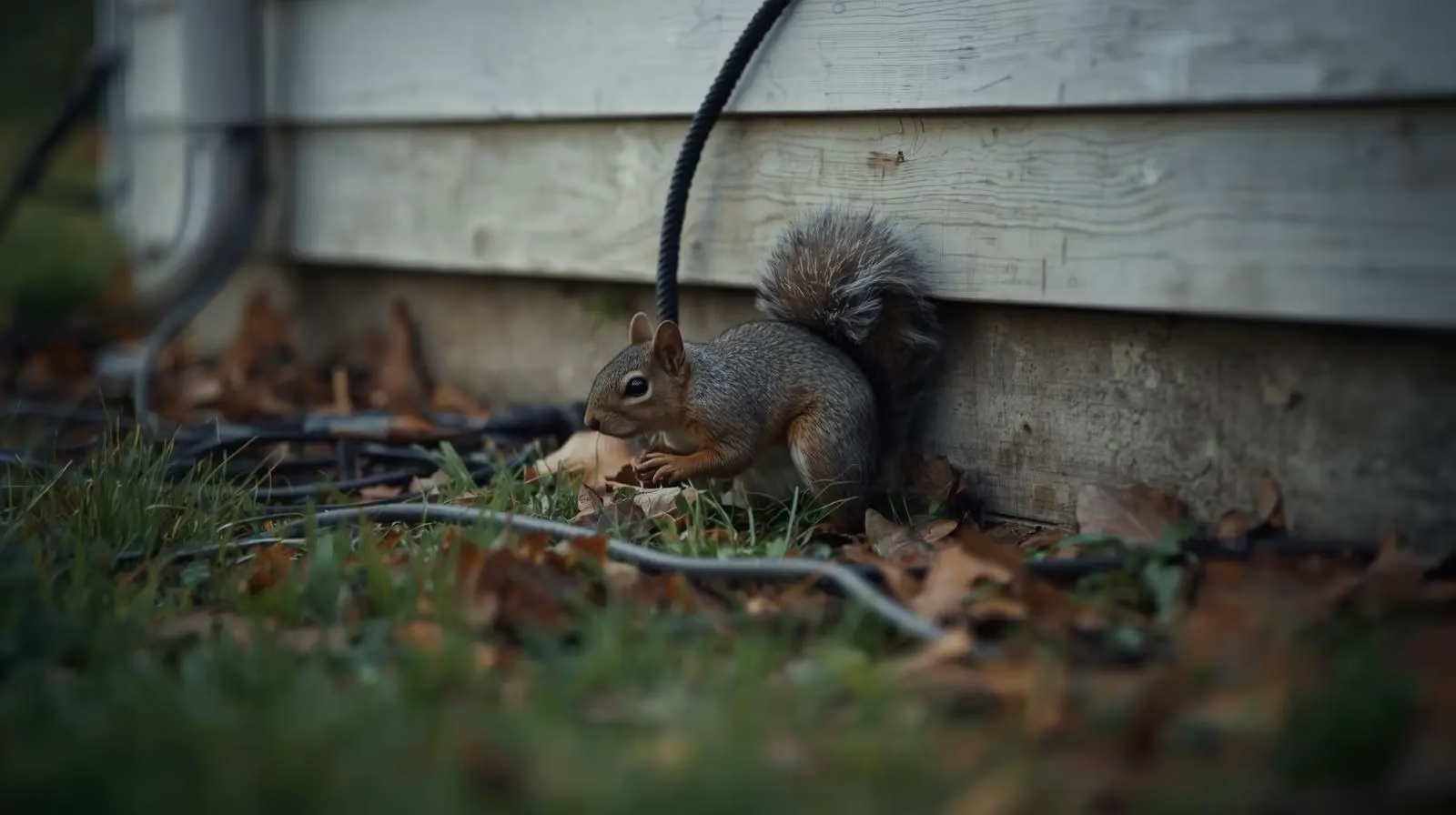
Squirrels may appear harmless, but when they enter or nest around residential properties, they can create serious structural, electrical, and health-related risks. These animals often invade attics, roofs, and wall cavities in search of shelter and food, leading to hidden damage that worsens over time. Understanding their behavior and the risks they pose is essential for preventing costly repairs and maintaining a safe living environment.
Also Read: Are Squirrels Rodents? Classification and Difference
Why Do Squirrels Come Inside?
Squirrels typically enter homes in search of warmth, shelter, and a secure nesting place, especially during colder months or breeding seasons. Attics and wall voids provide quiet, protected spaces that mimic natural tree cavities. Easy access points such as damaged roofing, open vents, or tree branches close to the structure further encourage entry.
Common Types of Squirrel Damage
1. Electrical Wire Damage
Squirrels chew on electrical wiring to keep their teeth trimmed, often stripping away the protective insulation. This exposes live wires and significantly increases the risk of short circuits. Over time, this hidden damage can lead to serious fire hazards. It is commonly found inside walls, attics, or ceiling spaces.
2. Structural Wood Damage
Squirrels gnaw on wooden beams, rafters, and support structures within roofs and attics. Continuous chewing weakens the integrity of these components over time. This can result in costly repairs if not addressed early. In severe cases, it may compromise the structural stability of the area.
3. Insulation Damage
Squirrels tear apart insulation to build nests, reducing its effectiveness. Damaged insulation leads to poor temperature regulation inside the home. This can increase energy bills due to heat loss or gain. Contamination from droppings and urine also creates unhealthy living conditions.
4. Roof and Entry Point Damage
Squirrels chew through shingles, vents, and soffits to gain access indoors. They often enlarge small gaps into major entry points over time. This not only allows squirrels but other pests to enter the home. It also increases the risk of water leaks and weather-related damage.
You May Also Like: How Can I Prevent Squirrels from Running on My Roof
What Does Squirrel Damage Look Like?
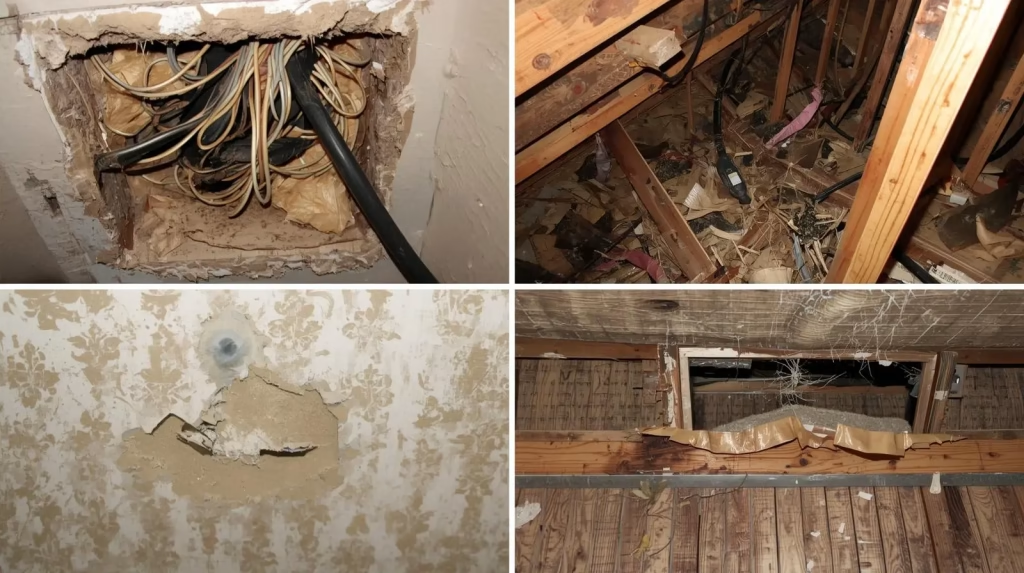
Dangers Caused by Squirrels in and Around Your Home
1. Electrical Fire Risks from Chewed Wiring
Squirrels frequently gnaw on electrical wires hidden inside walls and attics. This behavior can strip insulation from cables and create exposed live wires. Over time, this significantly increases the risk of electrical shorts and house fires. The danger often goes unnoticed until serious damage occurs.
2. Structural Damage to Roofs and Attics
Squirrels continuously chew wood to keep their teeth from overgrowing. This leads to weakened rafters, beams, and roof structures. As damage spreads, it can compromise the stability of attic spaces. Repairs often become costly if the issue is not addressed early.
Also Read: Squirrel Infestation in Attic
3. Contamination of Living Spaces
Squirrel droppings, urine, and nesting debris can accumulate inside attics and wall voids. These contaminants create foul odors and unsanitary conditions over time. If left untreated, they may affect indoor air quality. This poses additional health concerns for occupants.
4. Increased Risk of Secondary Pest Infestations
Abandoned nests and waste material often attract insects such as fleas, mites, and flies. These secondary pests can spread beyond the attic into living areas. Once established, infestations become harder to control. This creates a chain reaction of pest problems.
5. Noise Disturbance and Property Stress
Scratching, running, and chewing noises in ceilings or walls are common signs of squirrel activity. These sounds are often most noticeable during early morning or evening hours. Continuous disturbance can affect sleep and comfort. It also indicates active structural intrusion.
6. Insulation Damage and Energy Loss
Squirrels tear apart insulation to build nests, reducing its effectiveness. Damaged insulation leads to poor temperature regulation in the home. This can increase heating and cooling costs significantly. Over time, energy efficiency is greatly reduced.
7. Entry Point Expansion and Re-Entry Issues
Once squirrels gain access, they often enlarge openings to move freely. This makes it easier for more squirrels or other animals to enter. Even after removal, untreated entry points can lead to repeat infestations. Proper sealing becomes essential for long-term prevention.
8. Fire Hazard from Nesting Materials
Dry nesting materials such as leaves, insulation, and wood shavings are highly flammable. When combined with chewed electrical wires, the fire risk increases further. Attics become especially vulnerable in such conditions. This creates a serious household safety hazard.
9. Roof Leakage and Water Damage
Squirrels often damage shingles, vents, and soffits while entering homes. These openings allow rainwater to seep inside roof structures. Over time, this leads to leaks, mold growth, and wood rot. The damage can spread beyond the attic into interior ceilings.
10. Long-Term Property Value Reduction
Unchecked squirrel infestations can lead to extensive structural and cosmetic damage. This affects both the safety and market value of the property. Potential buyers may view pest history as a major concern. Early intervention is crucial to protect long-term value.
Also Read: How to Handle Eastern Gray Squirrel Infestations in Your Central Florida Property
Signs You May Have a Squirrel Problem
- Scratching or running noises in the attic or ceiling, especially during early morning hours
- Droppings or nesting debris found in attic corners or insulation
- Chewed wood, wires, or visible entry holes around the roofline
- Strong, unpleasant odors coming from attic or wall spaces
- Frequent sightings of squirrels near roof edges or gutters
- Shredded insulation or disturbed attic materials
- Unusual roof damage or missing shingles near entry points
- Sudden increase in insect activity around attic areas
- Repeated movement sounds in the same wall or ceiling area
- Visible nesting material near vents or soffits
Also Read: Nesting Squirrels Can Cause Big Problems
Why You Need Professional Help
Squirrel infestations require more than basic removal because they often involve hidden entry points, contaminated insulation, and electrical hazards. Improper handling can lead to recurring infestations and further property damage. Professional wildlife control ensures safe removal, proper exclusion, and full property protection. At Wildout Animal & Pest Removal, we specialize in humane squirrel trapping & removal, damage repair, and long-term prevention strategies to secure your home effectively.
Conclusion
Squirrels can cause significant and often hidden damage when they enter homes, ranging from electrical risks to structural deterioration. Early identification and professional intervention are essential to prevent escalating costs and safety hazards. Understanding the signs and risks helps homeowners take timely action and protect their property effectively.
FAQs About Squirrel Dangers and Removal
Are squirrels dangerous inside homes?
Yes, they can cause electrical fires, structural damage, and contamination if they nest indoors.
How do squirrels enter houses?
They usually enter through roof gaps, vents, soffits, or damaged shingles.
Can squirrel damage be repaired?
Yes, but repairs often require both removal and restoration of damaged areas.
Do squirrels return after removal?
They can return if entry points are not properly sealed and secured.
Should I handle squirrel removal myself?
It is not recommended due to safety risks and potential for recurring infestations.