
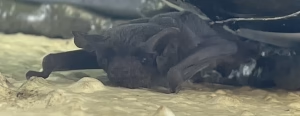
Brazilian Free-Tailed Bats are one of the most common bat species found in Central Florida and nearby warm regions. They often live in large colonies and can quickly become a concern when they move into residential properties. These bats stay hidden during the day and become active at night, which makes early detection difficult for homeowners. While they help control insect populations outdoors, their presence inside homes can lead to hygiene issues, odor problems, and structural damage. Understanding their behavior is important for early prevention and safe management before the infestation grows.
What Are Brazilian Free-Tailed Bats?
Brazilian Free-Tailed Bats are medium-sized bats known for their fast, high-altitude flight and strong insect-hunting ability. They are commonly found across the southern United States, especially in warm climates like Central Florida. These bats form large colonies in caves, bridges, attics, and abandoned buildings where they find safe shelter. They are highly active at night and feed on flying insects such as moths, beetles, and mosquitoes. While they are beneficial for natural pest control, they become a problem when they enter homes and start roosting indoors.
Why Brazilian Free-Tailed Are Common in Central Florida
Central Florida provides an ideal environment for Brazilian Free-Tailed Bats due to its warm temperatures and high humidity throughout most of the year. The region also has abundant insect populations, which serve as a constant food source. Urban development has reduced natural roosting areas, forcing bats to move into attics, bridges, and buildings. Mild winters allow them to remain active year-round instead of migrating far distances. This combination of climate, food supply, and shelter availability makes the region highly suitable for large bat colonies.
Also Read: Are Bats Rodents?
Where Brazilian Free-Tailed Bats Roost
| Roost Location | Description |
|---|---|
| Attics | Warm, dark, and quiet spaces that support large colonies and long-term roosting |
| Bridges | Concrete structures that provide stable shelter and protection from weather conditions |
| Caves | Natural environments that can hold thousands of bats in stable colony systems |
| Abandoned Buildings | Old structures with cracks and openings that allow easy bat entry |
| Roof Voids | Hidden spaces under roofing that remain undisturbed and secure |
| Wall Cavities | Narrow interior spaces that provide insulation, safety, and stable temperatures |
Must Read: How to Check Your Attic for Bats This Winter in Central Florida
Signs of a Brazilian Free-Tailed Bat Infestation
Noises in Attic or Walls
Homeowners may hear scratching, squeaking, or fluttering sounds coming from ceilings or attic spaces during nighttime hours. These sounds are often more noticeable when the colony is active and moving in and out. Continuous noise usually indicates an established group inside hidden areas.
Strong Ammonia-Like Odor
A strong, unpleasant smell caused by accumulated bat guano and urine may spread through attic or wall spaces. This odor becomes stronger over time as waste builds up in enclosed environments. It may also spread into living areas if the infestation is not controlled early.
Bat Droppings in Clusters
Guano appears as small, dark pellets that often collect in piles beneath roosting spots. These droppings can accumulate quickly in large colonies and spread across insulation or attic flooring. Their presence is a strong indicator of ongoing bat activity.
You may Also Like: Big Brown Bats in Central Florida
Visible Bat Exits at Dusk
Homeowners may observe bats flying out of roof openings or gaps around sunset in large numbers. This behavior clearly indicates an active roost inside the structure. Repeated flight paths often reveal primary entry and exit points.
Grease Stains Near Openings
Dark or oily marks may appear near vents, roof edges, or small cracks where bats repeatedly enter and exit. These stains are caused by constant body contact over time. They help identify active access points that need sealing.
Risks of Brazilian Free-Tailed Bats in Homes
- Accumulation of guano leading to strong odors and indoor hygiene issues
- Long-term damage to insulation, wood, and ceiling materials inside attics
- Increased risk of respiratory issues from airborne particles in droppings
- Nighttime noise disturbances affecting sleep and comfort levels
- Attraction of secondary pests such as insects, mites, and parasites
- Risk of bats accidentally entering living rooms or bedrooms
- Contamination of attic air quality and HVAC circulation systems
Helpful for you: How to Keep Evening Bats Out of Your Central Florida Home
How To Remove Brazilian Free-Tailed Bats in Homes
Identify Entry Points Carefully
Inspect rooflines, vents, chimneys, and wall gaps to locate all possible bat entry points. Even very small openings can allow bats to enter and establish colonies inside. Proper identification is the first and most important step in removal.
Conduct Evening Observation
Watch your home at dusk to identify where bats are exiting for feeding. This helps confirm active roost locations and shows main entry and exit points. Repeated patterns help narrow down problem areas.
Install One-Way Exclusion Devices
One-way devices allow bats to leave the structure but prevent them from returning inside. These humane tools are commonly used in professional bat removal processes. Proper installation is required for full effectiveness.
Must Read: Most Common Bats Found in Central Florida
Seal All Secondary Openings
After confirming main exit points, seal all other gaps and cracks around the structure. Use proper materials like mesh, sealant, or exclusion-grade barriers. This prevents bats from finding alternative entry routes.
Remove Contaminated Guano Safely
Bat droppings must be cleaned using protective equipment and proper disinfectants. Guano can carry harmful pathogens and should never be handled directly. Professional cleaning is often recommended for safety.
Install Preventive Barriers
Install chimney caps, vent covers, and roof mesh to block future entry points. These barriers reduce the chances of bats returning to the same structure. Proper installation ensures long-term protection.
Also Read: Steps in How We Ensure Bats Do Not Return to Your Home
Monitor Activity After Removal
After exclusion, continue monitoring for any signs of returning bats. This ensures the removal process was fully successful. Early detection helps prevent reinfestation.
Schedule Professional Inspection
A final inspection helps confirm that all bats are removed and all entry points are sealed. Experts can also identify hidden risks and recommend further prevention steps.
Why Brazilian Free-Tailed Bats Should Not Be Removed Without Experts
Removing Brazilian Free-Tailed Bats without professional experience can lead to incomplete exclusion and recurring infestations. These bats often return to the same roost if even a small opening remains. Improper handling can expose homeowners to health risks from guano and parasites. In many areas, bat removal is also regulated by wildlife protection laws. Professionals ensure safe, legal, and long-term removal using humane methods.
Helpful for you: Deadliest Diseases Bats Can Carry
How Wildlife and Pest Control Can Help You
Wildlife and pest control experts provide safe and effective Brazilian Free-Tailed Bat removal services in Central Florida homes and commercial buildings. They conduct detailed inspections to locate entry points and roosting colonies. Professionals use humane exclusion methods that allow bats to leave safely without harm. They also clean contaminated areas, seal openings, and implement long-term prevention strategies. This ensures your property remains protected, hygienic, and bat-free.
Conclusion
Brazilian Free-Tailed Bats are an important part of the ecosystem, but they can become a serious issue when they enter homes and attics. Early detection, proper identification of signs, and safe removal methods are essential for preventing damage and health risks. With the right preventive steps and professional support, homeowners can manage infestations effectively. Acting early ensures a cleaner, safer, and more secure living environment.
FAQs
Are Brazilian Free-Tailed Bats dangerous to humans?
They are not aggressive, but their droppings can create health risks if accumulated inside enclosed spaces. Avoid direct contact and always handle infestations carefully.
Why do Brazilian Free-Tailed Bats enter attics?
They enter attics for warmth, shelter, and protection from predators, especially when natural roosting sites become limited or disturbed.
How many bats usually live in a colony?
Colonies can range from a few dozen to several thousand bats depending on space, food availability, and environmental conditions.
Can I remove bats from my attic myself?
DIY removal is not recommended because it can worsen the infestation and may violate wildlife protection rules in some areas.
How long does bat removal take?
Removal time depends on colony size and entry points, but professional exclusion usually takes a few days to complete safely and effectively.