
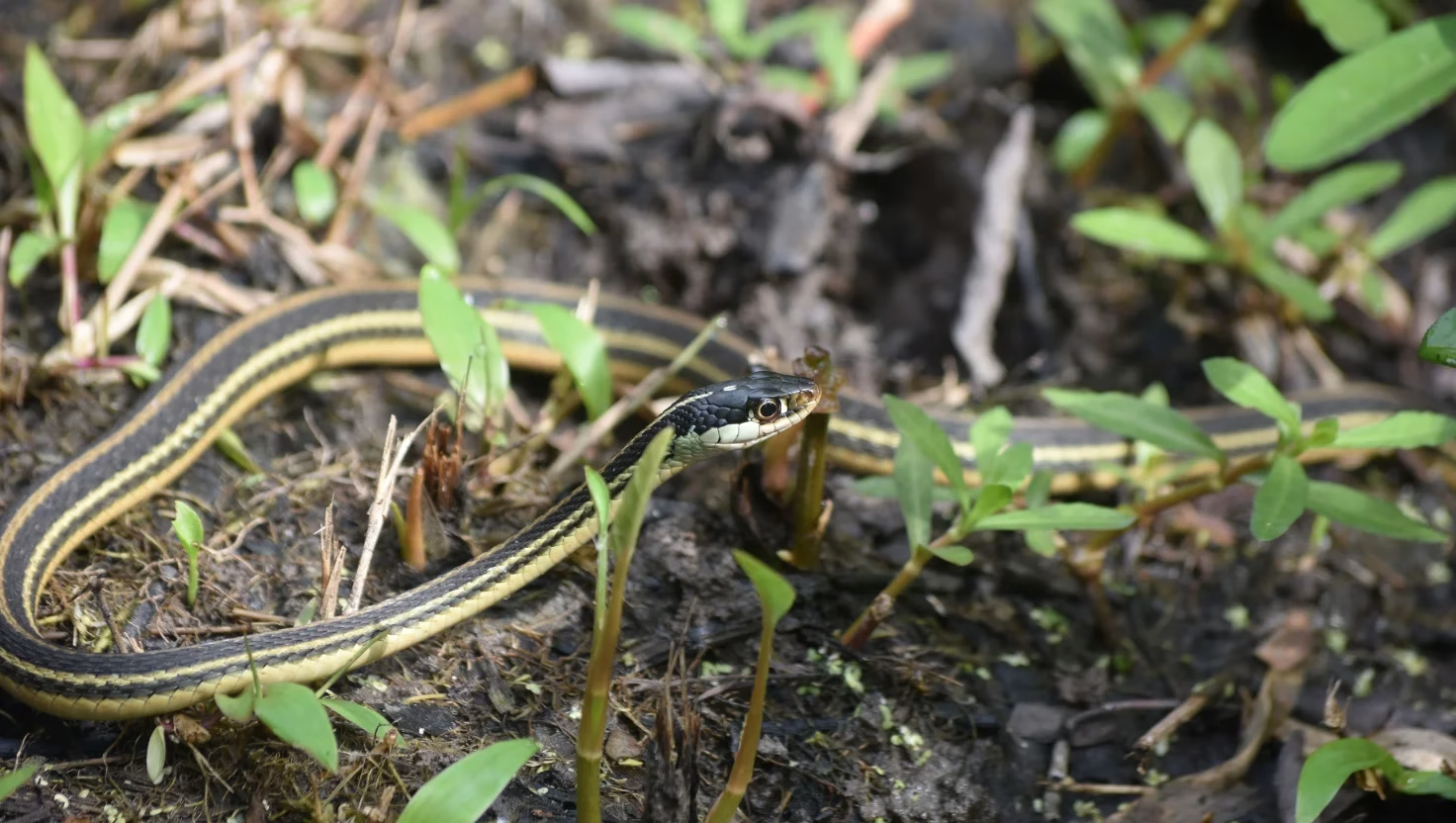
If you’ve spotted a garden snake slithering through your yard, you’re not alone. While they can be alarming at first glance, most garden snakes are harmless and even beneficial by controlling pests like insects and rodents. In this guide on how to get rid of a garden snake, you’ll learn how to identify them correctly, remove them safely, and take effective steps to keep them from returning—all while respecting local wildlife laws. You’ll also discover practical prevention tips to make your outdoor spaces safer and more comfortable year-round.
Identify the Garden Snake
1. Common Garden Snake Species
Garter snakes are the most common visitors in gardens. They have long, slender bodies with distinctive stripes and are non-venomous. They’re beneficial for pest control but can startle homeowners who don’t recognise them. By learning to identify them clearly, you can avoid unnecessary panic, handle them properly if needed, and appreciate their role in maintaining your yard’s natural balance.
Helpful for you: Tips for Identifying Snakes in Central Florida
2. Colour and Pattern
Garden snakes often have earthy colours like green, brown, or Gray with stripes or checkered patterns. Knowing these markings helps you distinguish harmless species from potentially venomous look-alike, ensuring safe, informed handling. Accurate identification reduces fear and prevents harming helpful snakes while promoting safer interactions for you, your family, and local wildlife.
3. Behaviour and Habits
Garden snakes are shy, often hiding under rocks, logs, or dense plants. They’re most active during warm daylight hours, searching for prey such as insects and small rodents. They typically avoid confrontation and will flee when disturbed. Observing their natural behaviour helps you predict where they might hide and plan humane removal without causing harm or stress to the animal.
Must Read: How to Get Rid of Black Snake
4. Juvenile vs. Adult Appearance
Young garden snakes may have brighter patterns or markings that fade as they mature. Misidentifying juveniles can lead to unnecessary fear or harm. Learning these differences ensures safer, more humane interactions. It also helps you educate family members and neighbours about local wildlife, fostering a safer environment for both people and the snakes sharing your outdoor spaces.
5. Venomous Look-Alikes
While most garden snakes are harmless, some regions have venomous snakes with similar patterns. Always confirm identification before attempting removal to avoid dangerous encounters. Careful identification prevents accidents, unnecessary killing of beneficial species, and ensures you’re following local guidelines for wildlife safety. When in doubt, always consult professional resources or local wildlife experts for help.
Also Read: Venomous VS Non-Venomous Snakes
6. Local Regulations
Many areas protect native snake species. Before attempting removal or relocation, check local wildlife laws to ensure compliance and avoid fines. Contact local wildlife agencies for guidance on safe, legal methods. Following regulations not only keeps you legally safe but also helps preserve the local ecosystem, ensuring you’re acting responsibly and sustainably in managing wildlife on your property.
7. Habitat and Shelter Areas
Garden snakes prefer damp, shaded locations such as mulch beds, compost piles, stone walls, and overgrown vegetation. Understanding where they nest and hide helps you manage your garden layout and reduce unwanted encounters. By identifying these shelter zones, you can safely discourage snakes without harming them or disrupting the overall garden ecosystem.
8. Seasonal Activity Patterns
Snake activity changes with the seasons, with higher movement in spring and summer and reduced visibility during colder months. Knowing when snakes are most active helps you take precautions during gardening or yard work. This awareness reduces surprise encounters and allows you to adjust maintenance routines for better safety.
You May Also Like: Common Snakes found in Florida
9. Diet and Pest Control Role
Garden snakes feed on insects, slugs, frogs, and small rodents, making them valuable for natural pest control. Understanding their diet shows why they are beneficial to garden health. Appreciating their role can help homeowners coexist peacefully while maintaining a balanced and healthy outdoor environment.
10. Safe Observation and Interaction
Observing garden snakes from a safe distance is the best way to avoid stress for both you and the animal. Avoid sudden movements or attempts to handle wild snakes unnecessarily. Safe interaction guidelines help prevent bites, protect the snake from injury, and promote respectful coexistence with local wildlife.
Why Is There a Garden Snake in Your Yard?
- Abundant insects, slugs, or small rodents
- Cool, shaded hiding places like logs or rocks
- Water sources such as ponds or birdbaths
- Overgrown grass, dense mulch, or brush piles
- Open gaps under sheds, patios, or foundations
Safe Ways to Remove a Garden Snake
1. Leave It Alone if Possible
Most garden snakes pose no threat and help control pests naturally. If it’s in a safe area away from heavy foot traffic, simply let it move along on its own without interference. Allowing them to stay helps reduce insect and rodent populations organically, maintaining your garden’s health without using harmful chemicals or traps that disrupt the ecosystem.
2. Call Wildlife Professionals
Wildlife professionals can identify the species, ensure legal and humane removal, and help you prevent future visits. They have the proper tools and training to handle snakes safely and with minimal stress to the animal. Hiring experts ensures compliance with local wildlife laws, protects native species, and provides you with long-term advice for keeping snakes away from your yard.
3. Gently Relocate It Yourself
For confident and knowledgeable homeowners, use a long stick, snake hook, or bucket to gently move the snake to a nearby wild area. Always wear protective gloves and stay calm to reduce stress for both you and the snake. Choose relocation sites far from homes or busy areas, ensuring the snake can find shelter and food in a suitable natural habitat.
4. Trap and Release
Humane snake traps designed specifically for small snakes offer a safe removal method. Always check traps frequently, handle the snake carefully, and release it far enough away to discourage return visits. Make sure traps meet local wildlife guidelines, place them thoughtfully to avoid harming other animals, and monitor regularly to minimize stress on the captured snake.
5. Create an Exit Path
If a garden snake is in a shed or garage, open doors or gates to provide a clear path outside. Remove obstacles to encourage it to leave naturally without direct contact, minimizing stress for the snake. Stay at a safe distance, use gentle movements to guide it, and ensure pets and children are kept away until the snake safely exits on its own.
When to Call Professionals
If you’re unable to confidently identify the snake, if it’s inside your home, or if you feel uncomfortable handling it, contact licensed animal control professionals. They can safely and legally remove the snake, provide expert identification, and help you implement effective prevention measures to keep your yard snake-free in the future. These trained experts understand local species, follow humane removal practices, and can also inspect your property for entry points or environmental factors attracting snakes to your garden or home.
Conclusion
Garden snakes may be unsettling to see, but they play a crucial role in keeping pests under control. By understanding how to get rid of a garden snake safely and humanely, you can protect your home while respecting local wildlife. Use the tips above to remove snakes effectively and prevent them from returning, always prioritizing safety, legality, and respect for nature.
FAQs
Are garden snakes dangerous?
No, most garden snakes, like garter snakes, are harmless and non-venomous. They help control pests naturally.
How do I keep garden snakes out of my yard?
Eliminate food sources, remove hiding spots like debris piles, seal gaps under structures, and maintain tidy landscaping.
Can I kill a garden snake if I see one?
Many areas protect native snakes by law. Killing them is often illegal and unnecessary. Always choose humane removal methods.
Will snakes come back after I remove them?
They can return if food, water, and shelter remain. Long-term prevention includes removing these attractants and sealing entry points.
Who should I call to remove a garden snake?
Call licensed wildlife professionals or animal control for safe, legal, and humane snake removal and relocation.