
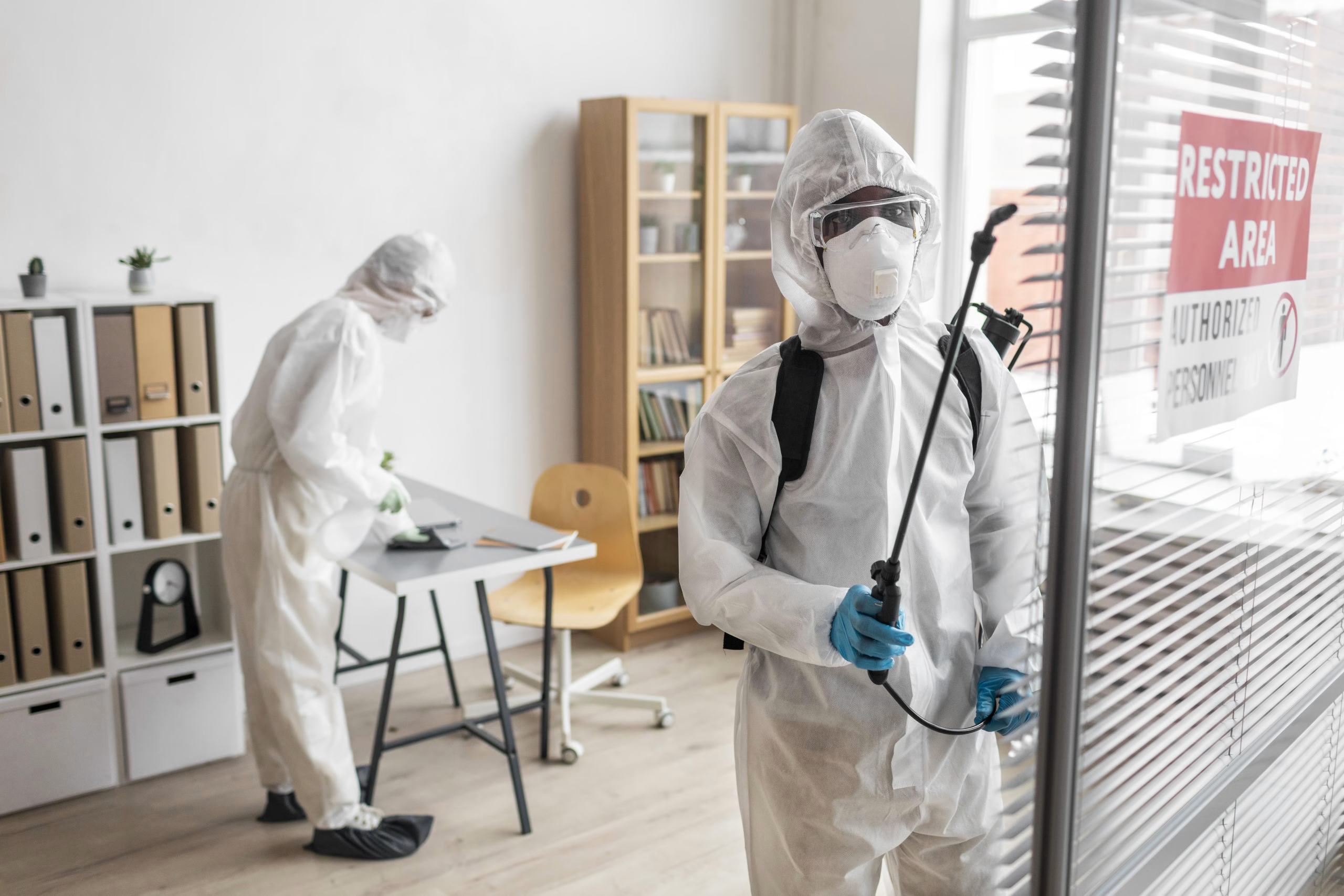
Pest control is the first step toward a clean and healthy home, but proper aftercare is essential to ensure lasting results. Following treatment, your home needs careful cleaning, monitoring, and preventive measures to prevent pests from returning. With the right steps, you can protect your family, maintain treatment effectiveness, and stop future infestations before they begin. This guide will help you keep your home safe, healthy, and pest-free. Taking a proactive approach now ensures long-term comfort, safety, and peace of mind in your living space.
Why Aftercare Matters?
Aftercare is crucial to maintain the effectiveness of pest control treatments. Proper cleaning, monitoring, and preventive steps prevent re infestation, protect your family and pets, and safeguard your property. Ignoring aftercare can allow pests to return, undoing all the effort and expense of the treatment. Regular attention after treatment ensures long-term results and a safe, comfortable home environment. Following professional aftercare guidelines also helps detect early signs of pest activity before they become serious problems.
Tips After Pest Control
1. Wait Before Re-Entering Treated Areas
Give the recommended time for chemicals to settle or dry. This reduces exposure risks for pets and family members. Follow product instructions to know exactly when it’s safe to re-enter. Also, avoid cleaning or moving items in the treated area too soon, as it can reduce the treatment’s effectiveness. Make sure to clearly mark or block treated areas to prevent accidental entry until completely safe. If you’re unsure about timing, contact your pest control provider, as different treatments may require longer waiting periods depending on ventilation and chemical strength.
2. Ventilate Rooms Properly
Open windows and doors to allow fresh air circulation. Using fans can help dissipate fumes faster, making the area safer and reducing lingering chemical odors. Keep ventilation running for several hours, especially in enclosed spaces, to ensure all fumes are cleared. Check vents, attics, and other hidden spaces to make sure air is circulating throughout the home. Proper airflow helps reduce residue buildup and ensures any remaining airborne chemicals break down quickly, improving indoor air quality after treatment.
Also Read: Common Pest Problems in Commercial Property
3. Keep Pets and Children Away
Restrict access to treated areas until it’s completely safe. Pets and children are more sensitive to chemicals, and keeping them away minimizes accidental exposure. Consider temporarily relocating pets to another safe area during and after treatment for added protection. Inform all household members and visitors about treated zones to prevent accidental contact. Using baby gates, temporary barriers, or closed-door policies can further prevent accidental exposure until the space is fully cleared.
4. Clean Untreated Surfaces
Wipe surfaces that weren’t directly treated to remove dust, residue, or accidental chemical contact. Focus on countertops, furniture, and high-touch areas. Don’t forget less visible spots like corners, behind appliances, or under furniture where residues may settle. Use safe cleaning products to avoid reacting with any leftover pest control chemicals. This step helps maintain hygiene while preserving treatment effectiveness, especially if the pest control involves gels, powders, or slow-acting sprays.
You may also like: Why is Pest Control Considered Home Maintenance
5. Dispose of Dead Pests Safely
Remove dead insects or rodents promptly to prevent odor, contamination, or attracting new pests. Use gloves and sealed bags for disposal. Sanitize the area afterward to prevent the spread of bacteria and ensure a clean environment. Consider using a disinfectant spray or wipe to further reduce any potential health risks. Always wash hands thoroughly after handling disposal materials to avoid spreading germs or accidental chemical exposure.
6. Launder Linens and Pet Items
Wash bedding, blankets, or pet toys that may have contacted treated areas. This prevents pets or family members from picking up chemical residue. Dry all items completely before reuse to ensure any remaining chemicals are neutralized. Check for small hidden items like toys or mats that might have absorbed residues and wash them too. Using hot water when possible provides added sanitation and reduces the risk of chemical residue transferring back into the environment.
Helpful For You: Keeping Your Home Safe from Pests during Storm
7. Inspect for Remaining Pests
Check for droppings, nests, or activity signs. Early detection of lingering pests allows you to address issues before they become larger infestations. Regular inspections over the next few weeks can help catch reinfestation early and protect your home long-term. Document findings to track trends and inform future pest prevention strategies. If activity continues, adjust your approach or seek follow-up treatment to ensure complete pest elimination.
8. Seal Entry Points
Repair cracks, holes, and gaps that pests could use to return. Check doors, windows, vents, and pipes to ensure all potential entry points are secured. Using high-quality sealants or mesh screens can provide long-lasting protection against recurring pest problems. Inspect seasonal wear and tear on entry points, as pests can exploit even small openings. Weatherstripping, door sweeps, and steel wool can offer added reinforcement, especially for rodents and insects that chew through softer materials.
Must Read: How Often Should Pest Control be Done
9. Set Up Monitoring Tools
Use traps, sticky boards, or bait stations to track new pest activity. Regular monitoring ensures you catch any reappearance early. Position traps in high-risk areas like kitchens, basements, and near entry points for more accurate monitoring. Regularly check and reset monitoring tools to maintain effectiveness and stay ahead of infestations. Monitoring helps verify treatment success and allows quick action if pests attempt to return.
10. Maintain Preventive Measures
Keep your home clean, store food properly, and trim plants near walls. Consistency in preventive steps reduces the risk of future infestations. Regularly check plumbing, remove clutter, and inspect hidden areas to make your home less inviting to pests. Encourage family members to follow hygiene habits consistently, as everyone’s effort helps keep pests away. A routine maintenance schedule helps ensure pest prevention remains a long-term habit instead of a one-time task.
Also Read: How Pest Affect Food Safety
Safety Tips for Pets and Family
- Avoid direct contact with treated surfaces until fully dry.
- Wash hands thoroughly after handling treated items.
- Keep pets and children away from treated areas for the recommended time.
- Ventilate rooms well before allowing family members or pets back.
- Follow all product instructions for safe handling.
When to Call Professionals
If pest problems persist or involve large infestations, contact Wild Removal services. They provide safe and effective post-treatment support while keeping pets and family protected. Their trained experts can assess the situation, recommend the right follow-up steps, and ensure your home remains pest-free for the long term. Professional intervention can also prevent recurring infestations, saving you time, stress, and unnecessary repeated treatments.
Conclusion
Proper aftercare is essential for long-term pest control success. Cleaning, monitoring, and preventive measures protect your home, family, and pets. By following these tips and seeking professional help when needed, you can enjoy a safe, healthy, and pest-free living environment. Staying consistent with follow-up checks, sealing entry points, and maintaining cleanliness ensures pests don’t return and helps extend the effectiveness of the treatment.
FAQs
How long should I stay out of treated areas?
You should wait until the product is fully dry and fumes have dissipated. This usually ranges from a few hours to 24 hours depending on the chemical. Always follow the instructions on the product label.
Can I clean immediately after treatment?
No, avoid cleaning until the recommended re-entry time has passed. Cleaning too soon can reduce the effectiveness of the treatment and may expose you or pets to chemicals.
How do I know if pests are completely gone?
Monitor the treated area for signs of activity such as droppings, nests, or damage. Using traps and regular inspections over the next few weeks can help confirm that the pests have been eliminated.
What should I do if I see new pests after treatment?
If you notice new pests, continue monitoring, clean affected areas, and maintain preventive measures. For persistent infestations, contact professional services like Wild Removal for safe and effective follow-up treatment.
Are treated areas safe for pets and children once ventilation is complete?
Generally, yes, if the area has been ventilated and the recommended re-entry time has passed. Always follow product instructions and keep an eye on pets and children for any signs of irritation or unusual behavior.