
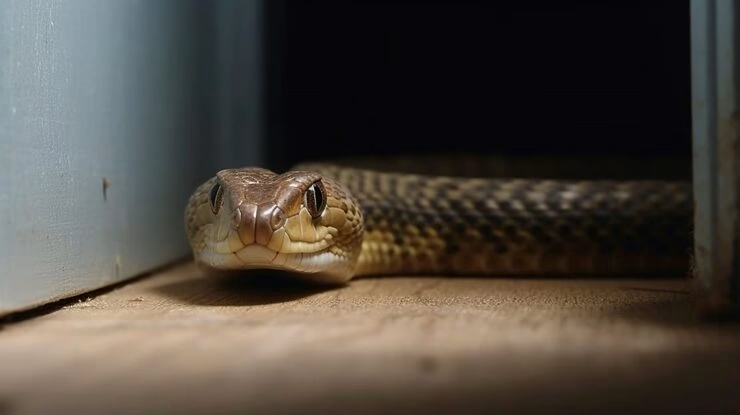
Finding a snake inside your home can be stressful and potentially dangerous. Remaining calm and knowing how to respond properly is crucial for safety. This guide covers 10 safe snake removal tips, identification methods, preventive measures, and when to contact professional snake removal services. Early action and caution are key to protecting your family, pets, and property, preventing injuries, minimising panic, and reducing the risk of damage or repeated snake intrusions. Understanding proper techniques ensures both human safety and humane treatment of the snake.
Common Reasons Snakes Enter Homes
- Searching for food such as rodents, insects, or small pets
- Seeking shelter from extreme weather, heat, or cold
- Entering through gaps, cracks, or unsealed doors and windows
- Being attracted to water sources like pet bowls, sinks, or leaks
How to Identify the Snake Before Taking Action
When you encounter a snake in your home, it’s important to first observe its size, colour, and patterns from a safe distance. Take note of its behaviour, whether it appears defensive, passive, or aggressive, as this can help you assess the potential risk. Consult local resources or guides to determine if the species is venomous. Throughout this process, ensure that children and pets are kept away from the area until proper identification is confirmed and the situation is under control.
Immediate Safety Steps to Take If a Snake Enters You Home
- Stay calm and maintain a safe distance from the snake
- Close doors to isolate it in one area of the home
- Remove pets and children from the room immediately
- Do not attempt to touch, trap, or corner the snake if unsure
10 things to Do If You Find a Snake in Your House Right Now
1. Isolate the Snake
Close doors and block small gaps to prevent the snake from moving to other areas of your home. Containing it in a single room reduces stress, allows safer observation, and makes managing the situation much easier. Always ensure children and pets are kept away from the isolated area. Use furniture or temporary barriers to further restrict movement and provide a visual cue to the snake, preventing it from wandering into other parts of the home. Make sure to stay calm and avoid sudden noises that could startle the snake.
2. Maintain a Safe Distance
Observe the snake from several feet away without approaching. Sudden movements may provoke it to strike defensively. Keeping a safe distance minimises the risk of bites, reduces stress for both the snake and people, and allows time to plan safe removal or monitoring. Maintain a clear line of sight while staying behind barriers and never attempt to touch or corner it, as stress or fear can trigger unpredictable reactions. Avoid leaning over the snake or placing yourself directly in its path.
Helpful For You: Essential Tips for Identifying Snakes in Central Florida
3. Use a Long Object to Guide It
A broom, stick, or similar long object can help gently guide non-venomous snakes toward an open exit without direct contact. Move slowly and calmly, maintaining distance, so the snake can leave safely. Avoid aggressive prodding, which may trigger defensive behaviour and increase danger. Ensure that the object used is sturdy but not sharp, to prevent injury to the snake, and always approach from an angle that allows it room to retreat. Keep your movements steady and predictable to avoid startling the snake.
4. Create a Clear Exit Path
Open doors or windows to the outside to give the snake a safe escape route. Remove obstacles that could block its path. A well-defined exit reduces panic for both humans and the snake, and checking wildlife safety guidelines helps ensure the area is safe for both people and animals. Check surrounding areas for furniture, cords, or clutter that might impede its movement and create a smooth, unobstructed pathway for it to leave quickly. Ensure there is no interference from pets or children in the area.
5. Use a Container for Non-Venomous Snakes
If confident, carefully place a large bucket or container over the snake and slide a stiff piece of cardboard underneath. This allows safe capture and relocation outside. Always approach slowly, avoid sudden movements, and wear protective clothing to prevent accidental bites during handling. Ensure the container is large enough to avoid crowding the snake, and relocate it far from your home in an area safe for both wildlife and humans. Move slowly and deliberately to avoid causing stress to the snake during capture.
Also Read: Venomous vs Non-Venomous Snakes
6. Avoid Provoking the Snake
Do not poke, prod, or corner the snake, as this can provoke defensive strikes. Remaining calm and patient allows the snake to leave naturally. Aggressive actions increase danger, make removal more difficult, and can stress the snake, causing unpredictable behaviour. Give it space, keep the environment quiet, and reduce activity nearby so it feels less threatened and can move toward an exit on its own. Avoid shouting or creating sudden loud noises near the snake.
7. Wear Protective Clothing and Gloves
Long pants, thick gloves, and closed shoes are essential for safety when observing or attempting any controlled movement. Protective clothing minimises the risk of accidental bites, scratches, or contact with contaminated surfaces, especially if the snake is startled or defensive during containment efforts. Consider eye protection and sturdy sleeves if handling objects near the snake, and always avoid bare skin exposure during observation or guidance attempts. Make sure clothing is durable and covers all exposed areas, including ankles and wrists.
8. Monitor the Snake Without Direct Contact
If unsure about handling the snake, observe its movements from a safe distance. Tracking its position allows you to plan removal or provide guidance to others in the household. Avoiding direct contact prevents injuries and keeps both humans and the snake safe until it departs naturally. Take notes or photos from a distance to identify species later and ensure that children, pets, or bystanders do not accidentally approach the area. Remain patient, as snakes may take time to find their way out safely.
Also Read: How to keep Snakes away from your Home
9. Use Snake Repellents or Deterrents
Commercial snake repellents or natural deterrents such as sulphur, clove oil, or predator scents can encourage snakes to leave. Apply them around entry points, garden edges, and outdoor structures. Repellents reduce the chance of repeat visits and make areas less attractive for snakes seeking shelter or food. Combine repellents with regular yard maintenance, such as clearing debris, trimming tall grass, and securing firewood piles, to further reduce snake habitat around your home. Reapply repellents regularly, especially after rain, for continued effectiveness.
10. Secure Indoor Areas After Removal
After the snake has left, thoroughly inspect rooms, basements, and attics. Seal cracks, gaps, and holes in doors, walls, and windows. Keep doors closed, repair screens, and remove debris or food sources. Proper post-visit maintenance prevents future snake entry and ensures long-term home safety. Check plumbing access points, utility openings, and hidden crawl spaces, and maintain a regular inspection schedule to prevent snakes from finding new hiding spots inside your home. Make it a habit to routinely check for signs of snakes, especially during warm or rainy seasons.
Preventing Snakes From Entering Your Home
- Seal cracks, gaps, and holes in walls, doors, and foundations
- Keep yards clean, removing debris, woodpiles, and tall grass
- Control rodent populations that attract snakes
- Keep pet food and water indoors or in secure areas
- Inspect homes and surrounding areas regularly for signs of snakes
When to Call Professional Snake Removal Services
If the snake is venomous, aggressive, or you feel unsafe handling it, wild removal services are the safest option. Experts can capture and relocate snakes efficiently, reduce the risk of bites, and provide advice on preventing future encounters. Immediate assistance is especially important if the snake is in hard-to-reach areas, such as attics, crawl spaces, or behind furniture. Using professional help ensures both your family and the snake remain safe while resolving the situation effectively.
Conclusion
Encountering a snake in your home requires calm, caution, and quick action. Following safe removal tips, preventive measures, and involving professional snake removal services when necessary can protect your family, pets, and property. Early detection and proper response help reduce risks, prevent future incidents, and minimise potential damage or stress caused by unexpected wildlife intrusions. Regular inspections and preparedness further enhance home safety and peace of mind.
FAQs
Can I safely remove a venomous snake myself?
No, attempting to remove a venomous snake without training is extremely dangerous. Always call professional snake removal services.
How do I know if the snake in my house is dangerous?
Observe its size, color, and markings from a safe distance. Local guides or wildlife authorities can help identify venomous species.
Are snakes attracted to certain areas in the house?
Yes, they are drawn to areas with food, water, warmth, and shelter, such as basements, attics, kitchens, and garages.
What should I do if I accidentally corner a snake?
Stay calm, maintain distance, and give the snake a clear escape route. Avoid sudden movements or attempting direct contact.
How can I prevent snakes from entering my home long-term?
Seal entry points, maintain clean yards, control rodents, and keep outdoor lighting minimized. Regular inspections reduce the risk of infestations.