
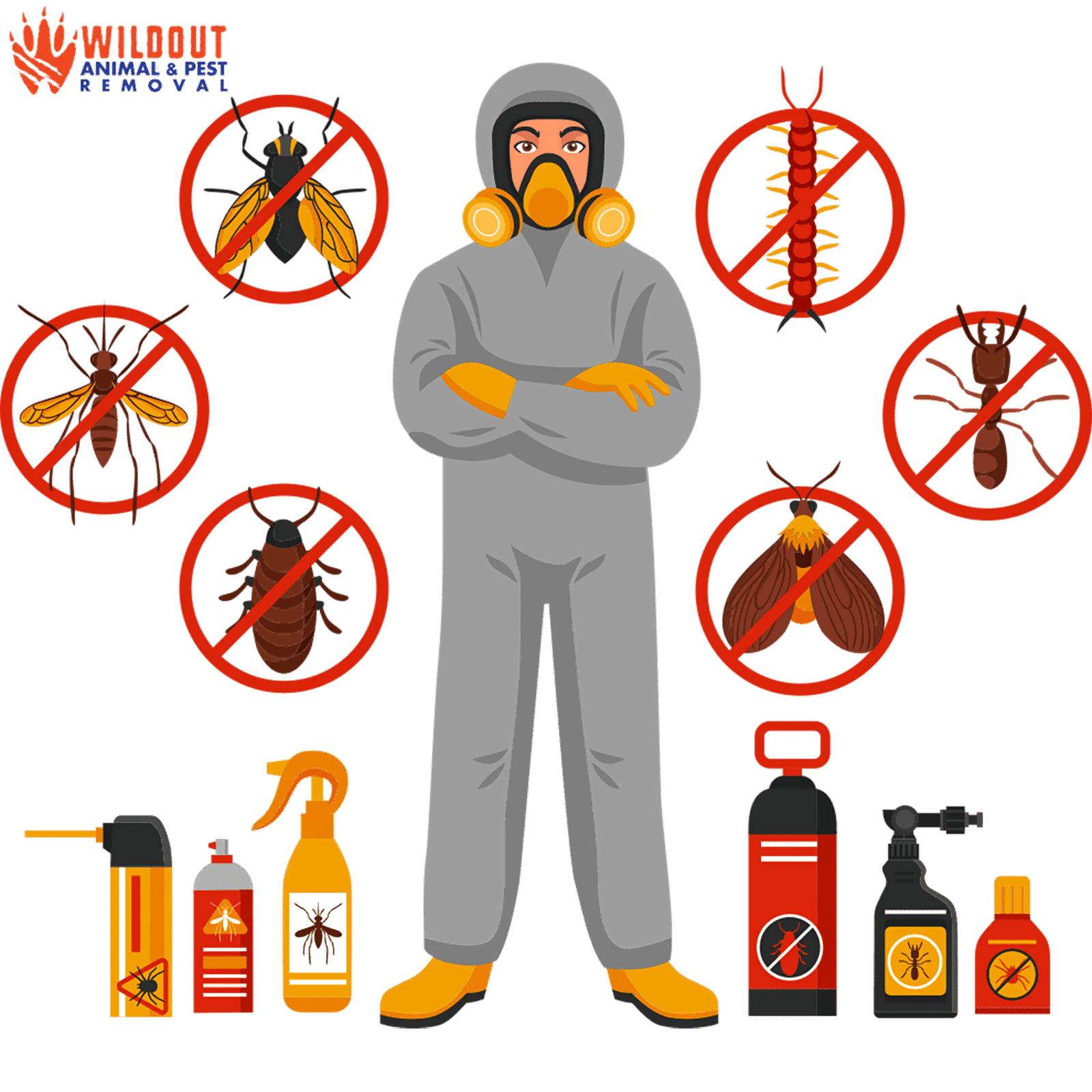
Preventative pest control helps stop pest problems before they turn into serious infestations. Instead of waiting until ants, rodents, cockroaches, or termites invade a property, preventative treatments focus on reducing the conditions that attract pests and blocking them from entering in the first place. Regular inspections and routine treatments help protect homes and businesses from costly damage, contamination, and recurring infestations throughout the year. Understanding how preventative pest control works helps property owners maintain a cleaner, safer, and more comfortable environment while avoiding long-term pest problems indoors and outdoors.
What Is Preventative Pest Control?
Preventative pest control is a proactive pest management approach designed to reduce the risk of infestations before pests become established inside a property. Pest control professionals inspect homes and businesses, identify risk factors, apply protective treatments, and monitor pest activity regularly to prevent future problems. This approach targets common pests such as ants, cockroaches, rodents, termites, mosquitoes, spiders, and other nuisance pests that frequently invade residential and commercial properties throughout the year.
Why Preventative Pest Control Is Important?
Pests can damage property, spread bacteria, contaminate food, and create unhealthy living conditions. Many infestations begin unnoticed and grow quickly over time if left untreated. Preventative pest control helps reduce these risks by identifying problems early and creating barriers that keep pests away from the property. Routine pest management also helps homeowners avoid expensive repairs, recurring infestations, and the stress caused by severe pest activity indoors and outdoors.
How Preventative Pest Control Works
1. Property Inspection
The first step in preventative pest control is a detailed inspection of the property. Pest control professionals check for signs of pest activity, moisture problems, food sources, and possible entry points around the home or building. Early identification of problem areas helps create a treatment plan that targets the specific pest risks affecting the property. Regular inspections also help detect hidden infestations before they become larger and more difficult to control, especially in hard-to-reach structural areas and hidden nesting zones behind walls or under flooring. This step ensures that no early warning signs are missed during the prevention process.
2. Exterior Pest Barrier Treatments
Exterior treatments create a protective barrier around the property to help stop pests from entering indoors. Technicians commonly treat foundations, windows, doorways, cracks, garages, and other entry points where pests may enter. These treatments help reduce pest movement around the structure and provide long-term protection against insects and rodents searching for food, shelter, and moisture near the property, especially during seasonal changes when pests actively migrate toward warmer indoor environments for survival. This barrier acts as the first line of defence against infestations.
Must Read: Why is Pest Control considered Home Maintenance
3. Interior Preventative Treatments
Preventative treatments may also be applied inside high-risk areas where pests commonly hide or travel. Kitchens, bathrooms, attics, basements, garages, and storage spaces are often treated to reduce hidden pest activity indoors. Interior treatments help control pests before infestations spread into larger parts of the property and become more difficult to manage over time, ensuring early-stage control and prevention while also reducing breeding opportunities in hidden, undisturbed indoor spaces. This helps maintain a consistently protected indoor environment.
4. Removing Conditions That Attract Pests
Preventative pest control also focuses on reducing the conditions that attract pests to a property. Moisture buildup, food crumbs, clutter, standing water, and unsealed cracks create ideal environments for pests to survive and reproduce. Pest control professionals may recommend sealing gaps, fixing leaks, improving sanitation, and reducing outdoor clutter to help lower pest activity around homes and businesses and discourage repeated infestations that often return due to environmental conditions. This makes the property less suitable for long-term pest survival.
5. Ongoing Monitoring and Maintenance
Routine monitoring is an important part of long-term pest prevention. Seasonal weather changes can increase pest activity during different times of the year, making regular maintenance necessary for continued protection. Scheduled inspections and preventative treatments help identify new pest activity early and reduce the risk of recurring infestations before they become serious problems indoors or outdoors, ensuring consistent year-round protection and long-term control effectiveness across changing environmental conditions. This continuous process helps maintain stable pest-free conditions.
You may also like: How Pest affect Food Safety
6. Seasonal Pest Adjustments
Preventative pest control is adjusted based on seasonal changes. In warmer months, treatments often focus on ants, mosquitoes, and flies, while colder months require stronger protection against rodents and cockroaches moving indoors. Adjusting strategies throughout the year ensures continuous protection as pest behaviour changes with temperature and weather conditions, improving long-term effectiveness of pest management programs and helping prevent sudden seasonal infestations before they establish inside properties. This seasonal approach ensures targeted and timely pest control.
7. Sealing Entry Points (Exclusion Work)
Exclusion work involves physically sealing gaps and cracks that pests use to enter a property. This includes repairing holes in walls, sealing gaps around pipes, fixing damaged screens, and closing openings in roofs or foundations. Blocking entry points significantly reduces the chances of pests entering the structure in the first place, creating a strong physical defence against infestations and preventing future pest movement into hidden indoor spaces. This method provides long-term structural protection.
8. Moisture Control Management
Many pests are attracted to moisture-rich environments. Preventative pest control includes identifying and reducing excess moisture caused by leaks, poor drainage, or ventilation issues. Fixing plumbing leaks, improving airflow, and eliminating standing water helps reduce ideal breeding conditions for pests like cockroaches, termites, and mosquitoes, while also improving overall property hygiene and reducing long-term structural risks caused by persistent dampness and hidden water accumulation. This also helps prevent mold and related issues.
For You: Can Vinegar Repel Pests
9. Sanitation and Waste Management Support
Proper sanitation plays a key role in preventing pest infestations. Pest control professionals often advise improving waste disposal habits, storing food in sealed containers, and maintaining clean kitchen and storage areas. Reducing access to food sources makes properties less attractive to pests and significantly lowers the chances of recurring infestations indoors and outdoors, especially in areas where poor hygiene can quickly lead to rapid pest population growth. This creates a cleaner and more controlled environment.
10. Follow-Up Inspections and Reporting
Follow-up visits ensure that preventative treatments remain effective over time. Technicians recheck treated areas, monitor pest activity levels, and update treatment strategies if needed. Regular reporting helps property owners understand pest trends and maintain long-term protection against infestations, ensuring treatments stay effective across changing environmental conditions and allowing early intervention before small pest issues develop into full-scale infestations. This final step ensures continuous improvement in pest control results.
Common Pests Preventative Pest Control Targets
- Ants: Ants commonly enter homes searching for food and water sources. Preventative treatments help block entry points and reduce attractants that encourage ant infestations indoors and around the property.
- Cockroaches: Cockroaches thrive in warm, damp environments and spread bacteria throughout kitchens, bathrooms, and storage areas. Preventative pest control helps reduce moisture buildup and hidden nesting areas that support cockroach activity.
- Rodents: Rats and mice often enter buildings through small openings while searching for warmth, shelter, and food. Preventative services help seal entry points and reduce conditions that attract rodents indoors.
- Termites: Termites silently damage wood structures over time and often remain hidden until major damage occurs. Preventative termite treatments help protect homes and businesses from costly structural problems caused by termite colonies.
- Mosquitoes: Mosquitoes breed in standing water and become highly active during warmer months. Preventative mosquito treatments help reduce breeding areas and outdoor mosquito populations around residential and commercial properties.
- Spiders: Spiders often move indoors while searching for insects and sheltered hiding spots. Preventative pest control helps reduce insect activity and common spider hiding areas around the property.
Signs You May Need Preventative Pest Control
- Frequent pest sightings indoors
- Droppings or nesting materials around the property
- Moisture problems or standing water
- Cracks and openings around doors or windows
- Increased pest activity during seasonal changes
- Previous infestations inside the property
- Damage to food packaging, wood, or wiring
Benefits of Routine Preventative Pest Control
- Reduces the risk of serious infestations
- Helps prevent costly property damage
- Improves indoor sanitation and safety
- Detects pest problems early
- Provides year-round pest protection
- Reduces recurring pest activity
- Helps maintain a healthier living environment
How Wild Removal Can Help You?
Wild Removal provides professional preventative pest control services for homes and businesses. Our team uses detailed inspections, customised treatment plans, and routine maintenance to help stop infestations before they become serious problems. We target ants, rodents, cockroaches, termites, mosquitoes, spiders, and other common pests using safe and effective pest management solutions designed for long-term protection. Regular inspections and preventative treatments help keep properties protected throughout every season of the year.
Conclusion
Preventative pest control is one of the most effective ways to reduce infestations before they spread throughout a property. Routine inspections, protective treatments, and ongoing maintenance help stop pests from entering homes and businesses while reducing conditions that attract them indoors. Understanding how preventative pest control works allows property owners to protect their homes, improve sanitation, and reduce long-term pest problems throughout the year. Regular pest management also helps prevent costly damage and provides a safer, healthier environment for families and businesses.
FAQs
What is preventative pest control?
Preventative pest control is a routine pest management service designed to stop infestations before pests become established inside a property.
How often should preventative pest control be done?
Most homes and businesses benefit from quarterly pest control services, although some properties may require more frequent treatments depending on pest activity.
Which pests can preventative pest control stop?
Preventative pest control commonly targets ants, cockroaches, rodents, termites, mosquitoes, spiders, and other common household pests.
Is preventative pest control worth it?
Yes, preventative pest control helps reduce infestations, property damage, and recurring pest problems before they become severe.
Why do pests keep returning after treatment?
Pests may return if entry points remain unsealed or if moisture, food, and shelter sources continue attracting them to the property.