
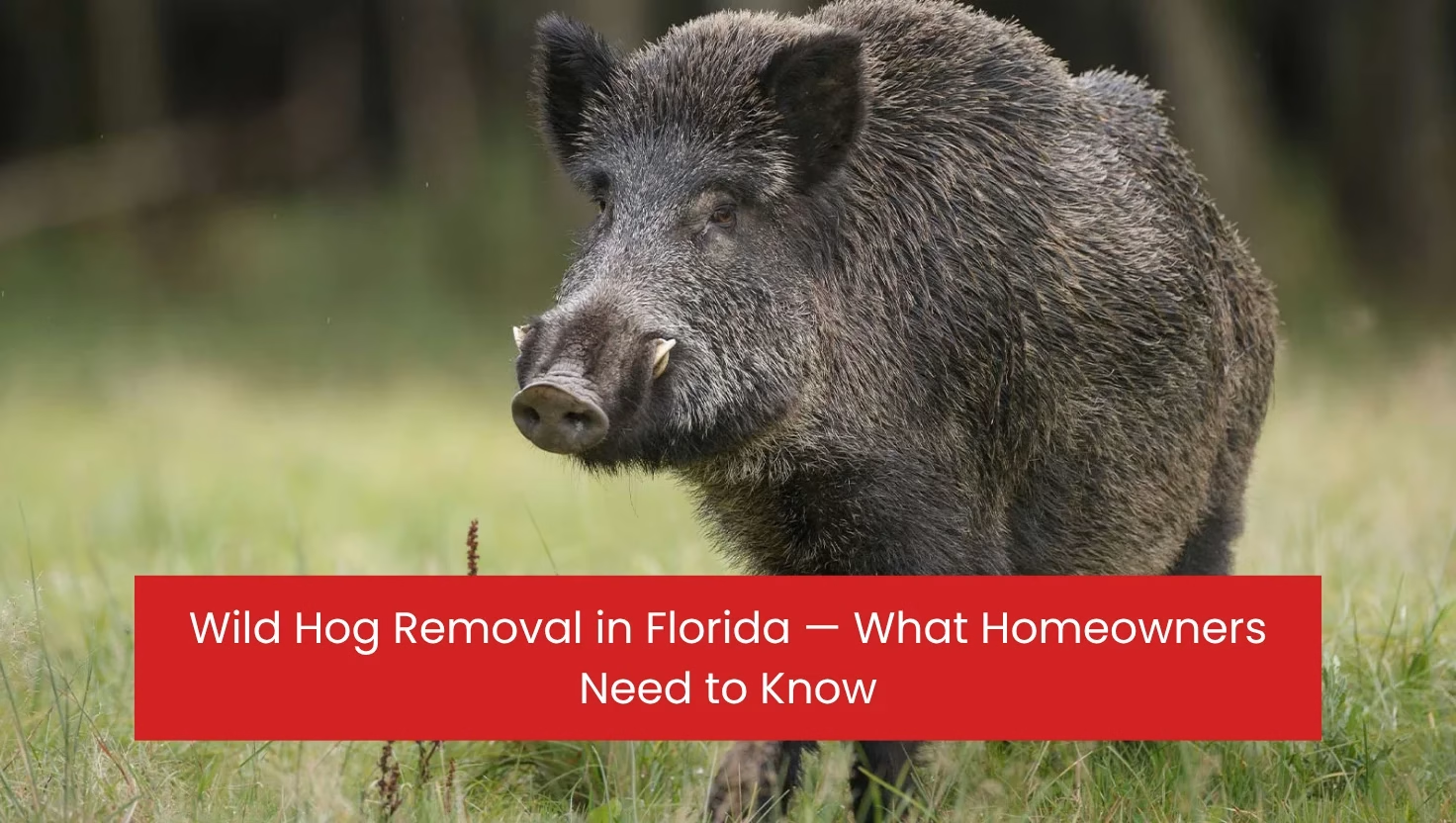
Wild hogs, also known as feral hogs, have become a growing problem across Florida, causing serious damage to residential properties, farms, and natural ecosystems. These animals are highly adaptable, reproduce quickly, and can turn a well-maintained yard into a destroyed landscape overnight. From tearing up lawns to damaging fences and crops, the impact can be costly and frustrating for homeowners. In addition to property damage, wild hogs can pose safety risks to pets and people. Understanding how to identify, remove, and prevent wild hog activity is essential for protecting your home and maintaining a safe outdoor environment.
Why Wild Hogs Are a Problem in Florida?
Wild hogs thrive in Florida’s climate due to abundant food sources, water availability, and mild weather conditions. They reproduce rapidly, with a single sow capable of producing multiple litters each year. Their rooting behavior damages soil, destroys vegetation, and disrupts local ecosystems. This not only affects homeowners but also agriculture and wildlife habitats. As their population continues to grow, the risk of encounters and property damage increases significantly.
Signs of Wild Hog Activity on Your Property
Recognizing early signs of wild hog presence can help you take action before severe damage occurs. Common signs include:
- Rooting and Digging: Torn-up soil, lawns, or garden beds
- Hoof Prints: Distinct tracks in soft ground or mud
- Mud Wallows: Areas where hogs roll in mud to cool off
- Damaged Fences or Crops: Broken barriers or eaten plants
Monitoring these signs regularly helps you respond quickly and minimize damage.
Also Read: Does Homeowners Insurance Cover Wildlife Damage?
Risks and Damage Caused by Wild Hogs
Wild hogs are extremely destructive and can cause a wide range of problems:
- Property Damage: Uprooted lawns, damaged irrigation systems, and broken fences
- Agricultural Losses: Destroyed crops and gardens
- Disease Spread: Potential transmission of diseases to humans and pets
- Aggressive Behavior: Hogs can become dangerous when cornered or protecting young
Taking these risks seriously is important for ensuring safety and preventing costly repairs.
Immediate Steps to Take if You Spot Wild Hogs
If you notice wild hogs on your property, act cautiously:
- Keep a safe distance and avoid approaching them
- Do not attempt to feed or scare them aggressively
- Secure pets and bring them indoors if necessary
- Remove accessible food sources such as trash or pet food
- Observe their movement patterns to plan removal strategies
Quick and careful action can reduce the chances of damage or injury.
Helpful for you: What are Feral Hogs
Proven Methods for Wild Hog Removal in Florida
1. Install Strong Fencing
Heavy-duty fencing is one of the most effective ways to keep wild hogs out. Use reinforced wire or electric fencing designed to withstand their strength and digging behaviour. Proper installation, including burying part of the fence underground, prevents hogs from pushing through or digging under barriers. Ensure fencing is at least 3–4 feet high, inspect regularly for weak spots, reinforce corners, and combine with other deterrents to improve long-term protection and reduce repeated hog intrusion risks effectively.
2. Use Trapping Systems
Corral traps and cage traps are widely used for capturing wild hogs. These traps should be placed in areas with frequent activity and baited properly. Trapping allows for controlled removal and is often necessary for larger groups or recurring infestations. Use strong, durable traps, check them frequently, position along trails, and rotate bait types to increase capture success while ensuring humane handling and reducing the chances of hogs avoiding traps over time.
3. Apply Hog Repellents
Commercial repellents can help deter hogs from entering your property. These products typically use strong scents or tastes that hogs find unpleasant. While not always a permanent solution, they can be effective when combined with other removal and prevention methods. Apply around entry points, fences, and gardens, reapply after rain, and rotate products periodically to maintain effectiveness and prevent hogs from becoming accustomed to specific deterrent smells or substances.
Must Read: FAQs About Bobcats in Florida
4. Remove Food Sources
Wild hogs are attracted to easily accessible food. Secure garbage bins, remove fallen fruits, and avoid leaving pet food outdoors. Eliminating food sources reduces the likelihood of hogs returning to your property. Clean outdoor areas regularly, store compost securely, avoid feeding wildlife, and inspect for hidden food sources that may unintentionally attract hogs and encourage repeat visits or long-term habitation.
5. Use Motion-Activated Lights or Noise
Sudden light and sound can scare hogs and discourage them from staying in the area. Motion-activated lights or noise devices can be installed around vulnerable areas to create an unwelcoming environment for these animals. Place near entry points, adjust sensitivity settings, combine multiple devices, and reposition regularly to prevent hogs from adapting and ensure consistent deterrence during nighttime or peak activity hours.
6. Protect Gardens and Crops
Reinforce gardens and crop areas with fencing or barriers. Raised beds, netting, or protective covers can help minimise damage and prevent hogs from accessing valuable plants. Use strong materials that resist digging, inspect regularly for gaps, and combine with repellents or lights to increase protection. Consistent maintenance ensures crops remain secure and reduces losses caused by repeated hog intrusion.
7. Monitor with Cameras
Trail cameras allow you to track hog activity and identify patterns. Understanding when and where hogs appear helps you plan effective removal strategies and place traps more efficiently. Install cameras near trails or damaged areas, review footage regularly, adjust placement as needed, and use collected data to improve timing and success of removal methods and overall property protection strategies.
Also Like: Are Hedgehogs Rodents
8. Use Professional Wildlife Removal Services
For large infestations, professional wildlife removal services are often the best solution. Experts have the tools and experience to safely and effectively remove hogs while ensuring compliance with local regulations. They assess damage, use advanced trapping systems, provide prevention strategies, and monitor results, helping homeowners achieve long-term protection and avoid recurring infestations or costly repairs caused by uncontrolled hog activity.
9. Coordinate with Local Authorities
In Florida, wildlife management regulations may apply to hog removal. Contact local authorities or wildlife agencies to ensure you follow legal guidelines and use approved removal methods. They provide guidance on permits, safe practices, and local programs. Following regulations ensures responsible removal, avoids penalties, and helps align your efforts with state-approved wildlife control strategies for better long-term effectiveness.
10. Maintain Regular Property Inspections
Regularly inspecting your property helps you detect early signs of hog activity. Consistent monitoring allows you to act quickly, preventing small problems from turning into major infestations. Walk around frequently, check for tracks or rooting, inspect fences for damage, and respond immediately to signs of activity to maintain control and protect your property from ongoing or future hog-related damage.
How to Prevent Wild Hogs from Returning
1. Maintain Secure Fencing
Regularly check and repair fencing to ensure it remains strong and effective against hog intrusion. Inspect for gaps, loose wires, or damage caused by weather or animals, and fix issues immediately. Reinforce weak areas, especially near corners and entry points, and consider adding electric lines for extra protection to improve long-term effectiveness. Consistent maintenance ensures your fencing remains reliable and reduces the risk of sudden breaches by strong or persistent hogs.
2. Eliminate Attractants
Remove food, water, and shelter sources that may attract hogs to your property. Secure trash bins, clean up fallen fruits, avoid leaving pet food outside, and eliminate standing water. Keeping your yard clean and free of easy resources reduces the chances of hogs returning and helps discourage repeated visits over time. Regularly reviewing your outdoor environment helps identify overlooked attractants that may unintentionally invite hog activity back to your property.
3. Regularly Inspect Property
Frequent inspections help identify early warning signs and prevent future infestations. Walk around your property to check for fresh tracks, rooting damage, or fence issues. Early detection allows for quick action, reducing repair costs and preventing small problems from developing into larger, more difficult-to-manage infestations. Inspecting during early morning or evening hours can improve visibility of fresh activity and provide better insights into hog movement patterns.
4. Use Deterrents Consistently
Apply repellents, lights, or noise devices regularly to maintain a hog-free environment. Rotate deterrent methods to prevent hogs from adapting, and place them strategically near entry points or damaged areas. Consistent use increases effectiveness, supports other prevention methods, and helps maintain long-term protection against recurring hog activity. Combining multiple deterrents together often produces stronger results and reduces the likelihood of hogs becoming comfortable in the area again.
When to Call Professionals?
If wild hog activity becomes frequent, involves large groups, or causes severe damage, it is best to seek professional help. Wild removal experts can safely manage the situation, ensure compliance with local laws, provide humane handling, and implement long-term solutions such as trapping, monitoring, and exclusion strategies to protect your property, crops, and landscaping from recurring hog problems.
Conclusion
Wild hogs can cause significant damage, but with the right approach, their impact can be effectively controlled. Combining removal methods, preventive measures, and regular monitoring is key to protecting your property. Acting early and staying consistent with prevention strategies, maintaining secure fencing, eliminating attractants, using deterrents effectively, monitoring for new signs of activity, and promptly addressing any breaches will help keep your home safe, gardens and landscaping intact, and entirely free from recurring wild hog activity over the long term.
FAQs
Are wild hogs dangerous to humans?
Yes, wild hogs can be aggressive, especially if they feel threatened or are protecting their young.
Is it legal to remove wild hogs in Florida?
Yes, but regulations may apply depending on location and method used. Always check local laws.
What attracts wild hogs to residential areas?
Food sources, water availability, and shelter are the main attractions for wild hogs.
Can I remove wild hogs myself?
Small issues may be managed with deterrents, but larger infestations usually require professional assistance.
What is the most effective way to control wild hogs?
A combination of fencing, trapping, and removing attractants is the most effective approach.